When a hydraulic cylinder begins to leak, operate erratically, or lose power, a simple seal replacement may not be enough. For cylinders with significant wear or internal damage, a complete Hydraulic Cylinder Rebuild is the best path to restoring like-new performance. While the task requires mechanical skill and attention to detail, understanding the process helps you evaluate whether to tackle it in-house or partner with a professional. In this guide, we’ll walk you through the essential steps of a thorough Hydraulic Cylinder Rebuild.
1. Safety Preparation and Removal
Before any work begins, safety is paramount. Hydraulic systems store high-pressure energy that can cause serious injury if released unexpectedly.
Start by relieving system pressure completely. Disconnect the hydraulic lines and label them for easy reassembly. Use appropriate lifting equipment to remove the cylinder—hydraulic cylinders are often heavier than they appear. For equipment like excavators, the boom cylinder is a critical component that requires careful handling during removal. Once the cylinder is on a clean workbench, you’re ready to begin the Hydraulic Cylinder Rebuild process.
2. Complete Disassembly
A rebuild requires full disassembly, not just partial tear-down. Remove the gland nut or retaining ring, then carefully extract the piston rod assembly.
Take your time during this phase. Avoid using steel hammers or pry bars that could damage the rod surface. If components are stuck, use brass punches or apply gentle heat. Proper disassembly sets the foundation for a successful Hydraulic Cylinder Rebuild.
3. Thorough Inspection and Measurement
Unlike a simple repair, a rebuild demands meticulous inspection of every component. This is where you determine what can be reused and what must be replaced.
Rod: Check for straightness, chrome condition, and surface finish. A bent or scored rod must be straightened, re-chromed, or replaced. This is especially important for a hydraulic ram cylinder, where the rod undergoes significant stress during operation.
Barrel: Inspect the inner wall for scoring, pitting, or out-of-round conditions. If damage exceeds specifications, the barrel needs honing or reboring.
Piston and Gland: Examine for cracks, excessive wear, or thread damage.
Seals: Even if you plan to replace all seals, note the condition of the old ones—they often reveal the root cause of failure.
A thorough inspection ensures your Hydraulic Cylinder Rebuild addresses all underlying issues, not just the obvious ones.
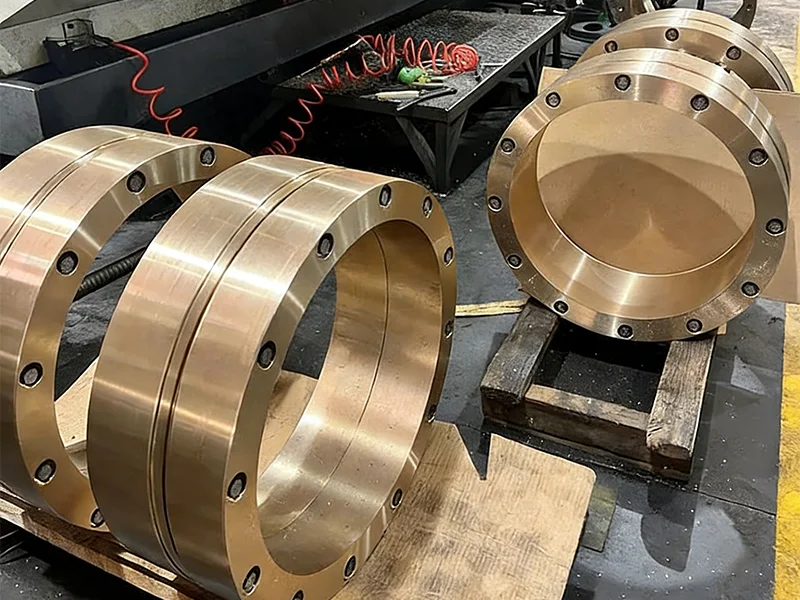
4. Cleaning All Components
Contamination is the enemy of hydraulic systems. Before reassembly, every metal component must be meticulously cleaned.
Use a non-flammable solvent and lint-free cloths to remove old fluid, varnish, and debris. Pay special attention to seal grooves, threaded areas, and internal passages. After cleaning, protect the components from dust and moisture until reassembly. A clean environment is non-negotiable for a quality Hydraulic Cylinder Rebuild.
5. Selecting Quality Replacement Parts
A rebuild is only as good as the parts you put back in. Always use OEM-equivalent or high-quality aftermarket components.
Your Hydraulic Cylinder Rebuild should include:
A complete seal kit (rod seal, piston seal, wiper, O-rings, backup rings)
Wear rings or guide rings if worn beyond tolerance
Replacement rod, barrel, or piston if damage is beyond repair
For applications like a jack hydraulic cylinder, which often operates in demanding lifting scenarios, using high-quality replacement parts is especially critical to ensure safety and reliability. Cutting corners on parts quality will compromise the entire rebuild.
6. Precision Assembly
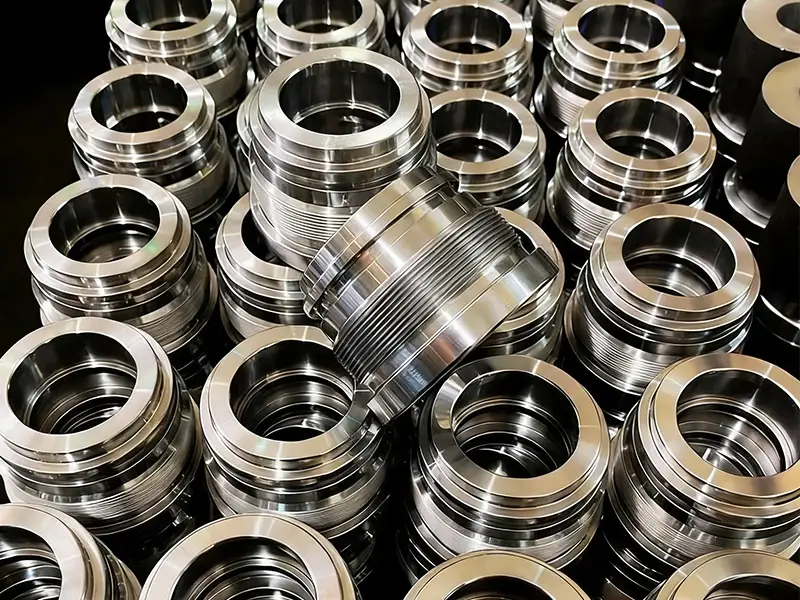
With clean components and new parts ready, it’s time for assembly. Lubricate all seals and moving surfaces with clean hydraulic fluid or assembly gel.
Use seal installation sleeves to protect new seals from threads and sharp edges. Ensure each seal sits squarely in its groove. Tighten the piston nut and gland nut to manufacturer torque specifications using a calibrated torque wrench. For a welded Hydraulic Cylinder, the welded construction means internal components must be precisely aligned during assembly to avoid stress points. Precision during assembly is what separates a lasting Hydraulic Cylinder Rebuild from a short-lived fix.
7. Post-Rebuild Testing
A rebuild isn’t complete until the cylinder has been tested. After reinstalling the cylinder and reconnecting the hydraulic lines, run the equipment at low pressure first to purge air.
Cycle the cylinder through its full range of motion several times. Check for:
—External leaks at the gland and fittings
—Smooth, consistent movement without jerking or binding
—Proper speed and force
—Unusual noises that might indicate remaining issues
A successful Hydraulic Cylinder Rebuild should restore the cylinder to like-new performance.
8. Document the Rebuild
Professional rebuilders always document the work performed. Record the date, parts replaced, measurements taken, and any special notes.
This documentation helps with future maintenance and provides valuable history for the equipment. It also demonstrates the quality of your Hydraulic Cylinder Rebuild if you’re a service provider.
Conclusion
Rebuilding a hydraulic cylinder is a detailed process that goes far beyond simply swapping out seals. From careful disassembly and thorough inspection to precise assembly and rigorous testing, each step contributes to the final outcome.
Whether you’re an equipment owner looking to understand what a quality Hydraulic Cylinder Rebuild entails, or a technician preparing to perform one, remember that attention to detail is everything. A properly rebuilt cylinder delivers reliable performance, extended service life, and peace of mind—making the investment of time and quality parts well worth it.