Efficient Thermal Management for Stable Oil Temperature and Extended System Life.
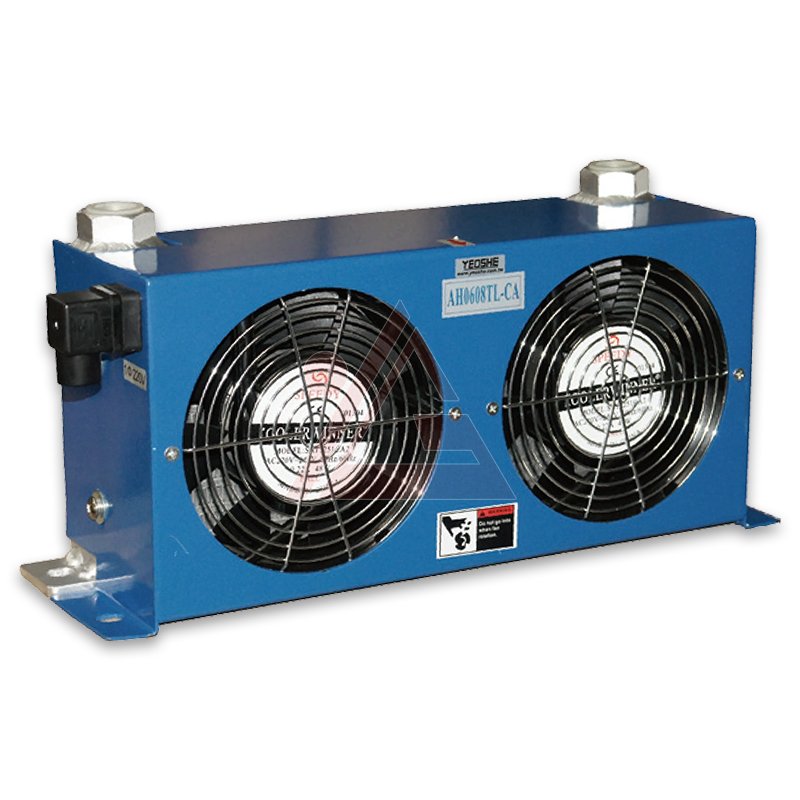
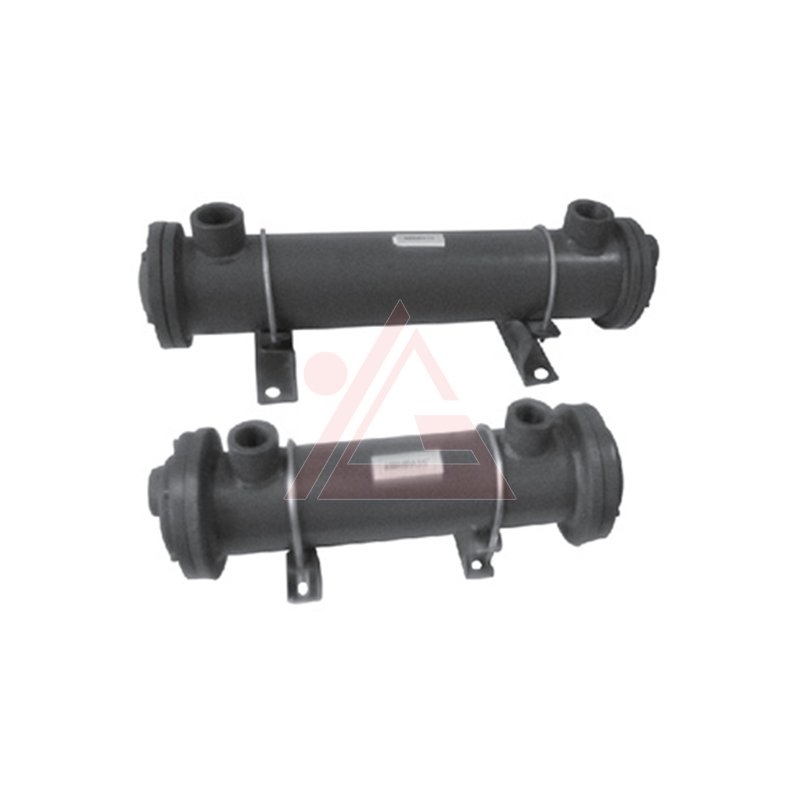
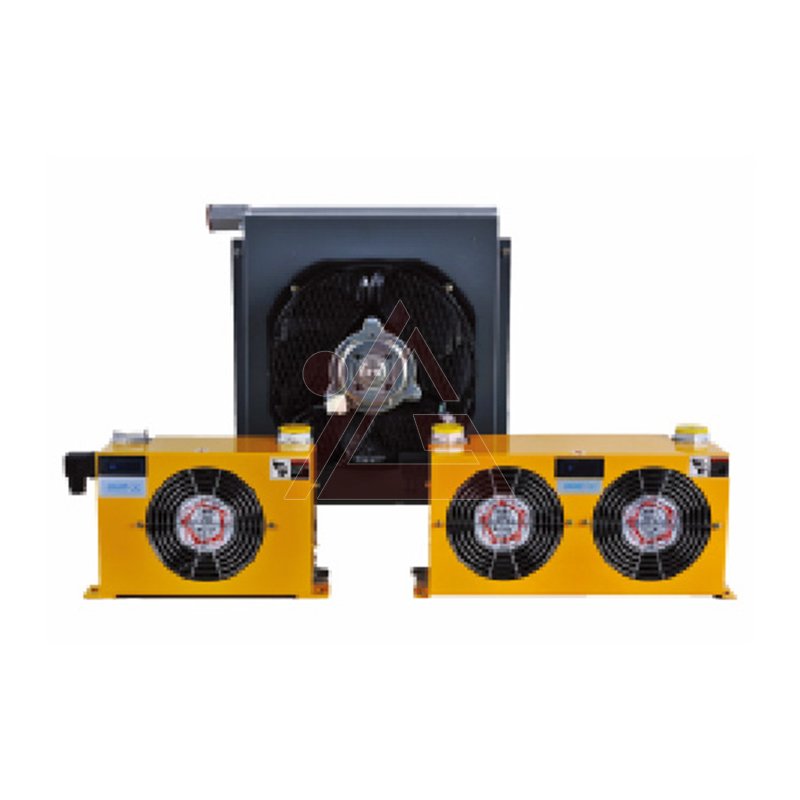
Hydraulic oil coolers are heat exchangers designed to remove excess heat from hydraulic fluid. When hydraulic systems run under continuous or heavy loads, oil temperature rises beyond the optimal range (typically 120–140°F). Hot oil breaks down faster, loses viscosity, damages seals, and accelerates component wear. Yagang hydraulic oil coolers use either air-to-oil (cooling fins with electric or engine-driven fans) or water-to-oil (shell-and-tube or plate-type) heat exchange methods to bring temperatures back down. Common applications include mobile equipment (excavators, loaders, forestry machines), industrial presses, injection molding machines, power units, and marine hydraulics. Keeping oil cool means longer fluid life, fewer breakdowns, and consistent system performance.

Space is always tight on mobile equipment or inside machinery cabinets. Yagang oil coolers use high-density fin cores, turbulators inside tubes, and optimized fan blade designs to maximize heat transfer per square inch. Aluminum cores offer lightweight performance for mobile applications; copper-brass cores handle corrosive environments or saltwater exposure. AC/DC electric fans, hydraulic motor-driven fans, or engine belt-drive options let you match the cooler to your available power source.

Oil coolers on excavators and loaders see constant shaking, dirt, and debris. Yagang coolers feature brazed or mechanically bonded core joints that resist fatigue cracking. Heavy-duty fan guards keep branches and debris out. Mounting brackets are reinforced for off-road vibration. For water-to-oil coolers, we use corrosion-resistant materials and designed-in bypass or relief valves to protect against cold oil pressure spikes.
Adding a cooler shouldn't require redesigning the whole system. Yagang oil coolers are available with SAE straight thread, NPT, or flange ports in various sizes. Built-in bypass valves (thermal or pressure-operated) allow cold oil to bypass the cooler until it warms up—preventing excessive pressure drop during startup. For mobile applications, we offer coolers with integrated fan drives that run off the machine's existing hydraulic return line or separate electric circuit.
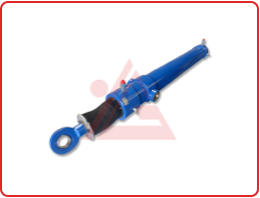
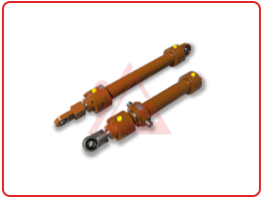
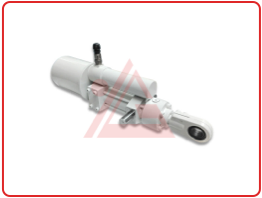
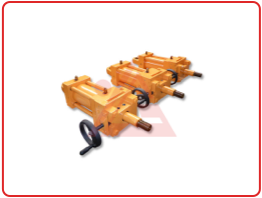
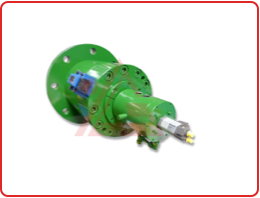
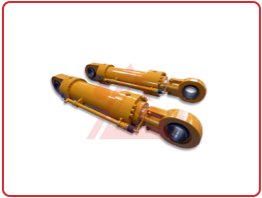
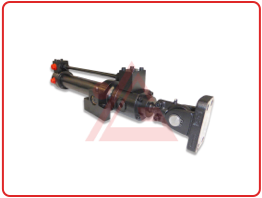
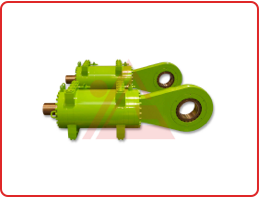
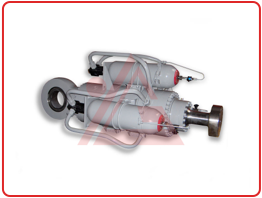
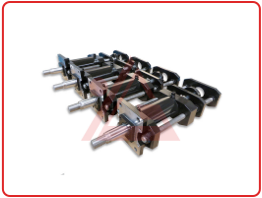
Yagang hydraulic cylinders ensure precision motion control for automated production lines. They address the need for reliable, low-maintenance actuation in packaging, handling, and assembly systems, minimizing downtime in continuous operations.
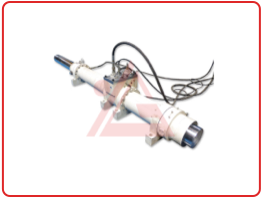
For high-speed, repetitive cycles in CNC and stamping equipment, Yagang hydraulic cylinders provide exceptional accuracy and rigidity. They are engineered to combat wear and maintain positioning precision over long service life.
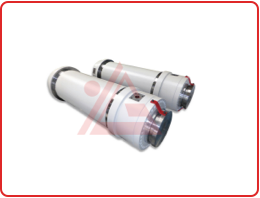
As the core power component, Yagang hydraulic cylinders deliver consistent, high-force output for molding and forging. They are built to withstand extreme pressure spikes and ensure stable platen movement, crucial for product quality.
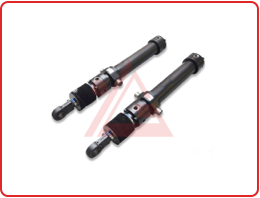
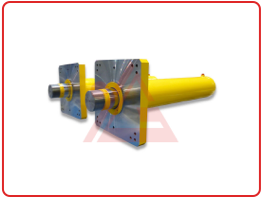
In high-heat, high-shock mill environments, Yagang’s heavy-duty hydraulic cylinders offer robust performance for rolling and handling. Their design focuses on heat resistance and structural integrity to withstand punishing conditions.
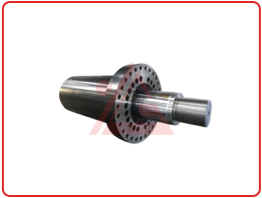
Subjected to extreme abrasion and shock loads in crushers and kilns, Yagang hydraulic cylinders are built for toughness. Their robust design prioritizes seal protection and piston rod strength to maximize uptime in the harshest environments.
Our process is built to ensure clarity, efficiency, and full client satisfaction, solidifying our role as your reliable hydraulic partner.
Our technical team assists you in selecting the precise standard cylinder model that meets your required bore, stroke, mounting style, and pressure ratings, ensuring optimal fit and function for your machinery.
Utilizing ISO-compliant quality systems, we manufacture your standard cylinders. Every unit undergoes rigorous in-house testing, including static pressure hold tests and dynamic cycle tests, exceeding industry requirements.
We manage efficient packaging and logistics, providing fast and secure shipping globally. Our focus on rapid delivery minimizes your downtime and accelerates project timelines.
We offer comprehensive technical documentation and readily available remote support for troubleshooting and maintenance guidance, ensuring sustained peak performance throughout the cylinder’s lifespan.
Air-cooled oil coolers use ambient air passing through a finned core to remove heat. They are simpler, require no external water source, and are common on mobile equipment. Water-cooled oil coolers (shell-and-tube or plate heat exchangers) use water from a plant cooling tower or city supply. They are more efficient and compact for high-heat industrial applications but need a clean water source and proper flow. Choose air-cooled for portability and simplicity; choose water-cooled for stationary high-power systems.
Proper sizing requires knowing the hydraulic system's heat load (typically 25–40% of input power for efficient systems, higher for inefficient ones), desired oil temperature, maximum ambient temperature, and available cooling flow. A common rule: calculate system heat generation in kW or BTU/hr, then select a cooler rated for at least that load at your operating conditions. Yagang's engineering team can perform heat load calculations based on your pump flow, pressure, duty cycle, and target temperature.
Yes. As an experienced OEM hydraulic oil cooler manufacturer, we design coolers based on your exact requirements—including core dimensions, port sizes and locations, fan type (electric, hydraulic, or belt drive), mounting bracket configuration, and fin density. Our engineering team uses thermal performance software to match your target heat rejection (BTU/hr or kW), pressure drop limits, and operating environment. We also offer custom core materials (aluminum, copper-brass, stainless steel) for specific fluid or environmental compatibility.
Our MOQ for standard oil cooler models is typically 5–20 pieces depending on size and configuration. For custom-engineered coolers, we offer flexible MOQ arrangements—including single-unit prototypes for fitment testing before wholesale procurement. Lead time for stocked standard models is 3–7 days after order confirmation. Custom orders typically require 15–30 days based on complexity, core material availability, and quantity.
Absolutely. We provide comprehensive private labeling solutions for B2B clients, including cooler nameplates with your brand logo and specifications, custom paint or powder coat colors, and branded packaging. For high-volume wholesale partners, we can also offer model number stamping, serialized tracking, and custom instruction manuals or installation guides.