Hydraulic cylinders are precision components that demand careful attention during maintenance. Before diving into repairs, it’s essential to first recognize when a cylinder actually needs attention—our guide on Common Signs Your Hydraulic Cylinder Needs Repair covers these warning signs in detail. While a Hydraulic Cylinder Repair may seem straightforward to experienced mechanics, even small oversights can lead to premature failure, costly downtime, and even safety hazards. Whether you’re handling repairs in-house or evaluating a service provider, knowing what not to do is just as important as knowing the correct procedures. In this guide, we’ll highlight the most common mistakes to avoid when performing a Hydraulic Cylinder Repair.
1. Skipping the Diagnosis Phase
One of the biggest mistakes is diving straight into disassembly without understanding why the cylinder failed in the first place. Replacing seals without identifying the root cause—such as a bent rod, contaminated fluid, or damaged barrel—guarantees repeat failure.
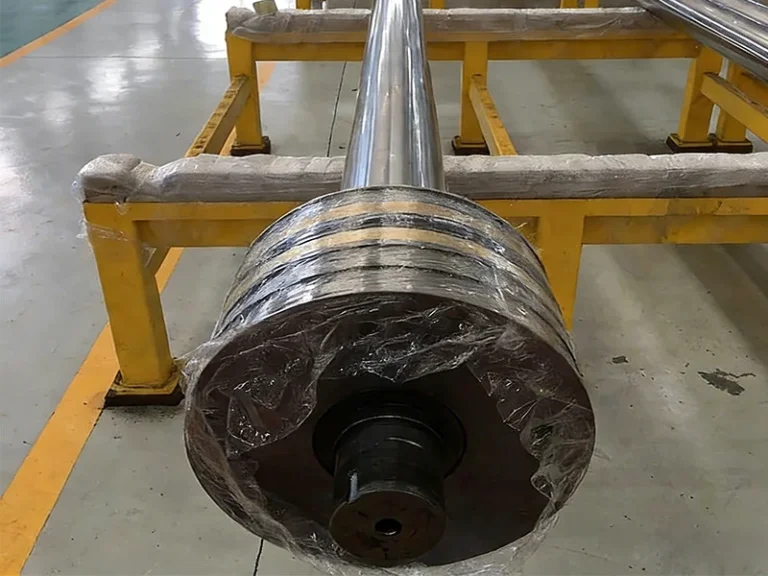
A proper Hydraulic Cylinder Repair begins with a thorough inspection. Check the rod for straightness and chrome condition, examine the barrel for scoring, and analyze the hydraulic fluid for contamination. For specialized applications like stainless steel hydraulic cylinder units, corrosion resistance is critical, and failing to inspect for corrosion-related damage can lead to premature failure. If you skip this step, you’re treating symptoms, not solving the problem.
2. Using Incorrect or Low-Quality Seal Kits
Seals are the heart of any hydraulic cylinder. Using the wrong size, material, or low-grade aftermarket seals is a recipe for immediate or early failure.
Every Hydraulic Cylinder Repair should use OEM-equivalent seals that match the cylinder’s pressure rating, temperature range, and fluid compatibility. Cheap seals may save money upfront but often lead to leakage, extrusion, or rapid wear within weeks. Always verify seal specifications before installation.
3. Mishandling Components During Disassembly
Hydraulic components are machined to tight tolerances. Using hammers, pry bars, or pipe wrenches carelessly can damage the rod surface, scratch the barrel, or deform the gland.
During a Hydraulic Cylinder Repair, treat every component with precision. Use brass punches when necessary, protect the rod with soft jaws or rags, and never apply force in a way that risks bending or nicking critical surfaces. A little care during disassembly prevents costly rework.
4. Neglecting Cleanliness
Hydraulic systems are extremely sensitive to contamination. Even a speck of dirt can scratch a new seal, clog a valve, or damage a pump.
Before beginning any Hydraulic Cylinder Repair, clean the exterior of the cylinder thoroughly. Set up a clean work area, use lint-free cloths, and cover disassembled parts to keep debris away. For advanced systems like a Digital Hydraulic Cylinder, which incorporates sensors and electronics, contamination can damage sensitive internal components beyond just the seals. When reinstalling, flush the hoses and ensure the hydraulic fluid is clean. Contamination is one of the leading causes of post-repair failure.
5. Improper Seal Installation
Even the highest quality seals will fail if installed incorrectly. Common mistakes include twisting seals during installation, using sharp tools that nick the sealing surface, or failing to lubricate seals before assembly.
When performing a Hydraulic Cylinder Repair, always lubricate seals with clean hydraulic fluid or assembly gel. Use installation sleeves to protect seals from threads and sharp edges. Ensure each seal sits squarely in its groove—twisted or rolled seals will leak immediately upon pressurization.
6. Over-Tightening or Under-Tightening Fasteners
Piston nuts, gland nuts, and mounting bolts have specific torque requirements. Guessing or using “armstrong torque” (tightening by feel) often leads to problems.
Over-tightening can distort components, causing seal failure or binding. Under-tightening allows parts to loosen under vibration, leading to leaks or catastrophic failure. A proper Hydraulic Cylinder Repair always follows manufacturer torque specifications using a calibrated torque wrench.
7. Failing to Test After Repair
Some consider the job done once the cylinder is reassembled and reinstalled. Skipping post-repair testing is a risky oversight.
After a Hydraulic Cylinder Repair, cycle the cylinder several times at low pressure to purge air. Then operate it under normal pressure, checking for leaks, smooth movement, and proper speed. Listen for unusual noises. For precision equipment like a Hydraulic Rotary Cylinder or Vane Type Rotary Actuator, testing must verify not only linear motion but also rotational accuracy and smoothness. Testing confirms the repair was successful and prevents unexpected failures when the machine returns to work.
8. Ignoring the Hydraulic System as a Whole
A cylinder doesn’t fail in isolation. If the hydraulic fluid is contaminated, the relief valve is misadjusted, or the pump is failing, a new cylinder repair won’t last.
A complete Hydraulic Cylinder Repair should include evaluating the entire hydraulic system. Change the fluid and filter if contamination is found. Check pressure settings. For high-precision applications using a Servo Hydraulic Cylinder, system calibration and feedback loop verification are essential components of a complete repair. Addressing system-level issues ensures the cylinder enjoys a full service life.
Conclusion
Hydraulic cylinder repair demands respect for precision, cleanliness, and proper procedure. By avoiding these common mistakes—skipping diagnosis, using wrong seals, mishandling components, neglecting cleanliness, improper installation, incorrect torque, no testing, and ignoring system health—you can dramatically improve repair outcomes.
Whether you’re performing repairs in-house or choosing a service partner, remember that a successful Hydraulic Cylinder Repair isn’t just about replacing parts. It’s about understanding why the failure occurred and taking the steps to ensure it doesn’t happen again. Invest the time to do it right, and your equipment will reward you with reliable, long-lasting performance.