When a hydraulic cylinder fails, equipment owners face a critical decision: should you invest in a brand-new replacement or opt for a Hydraulic Cylinder Rebuild? While purchasing a new cylinder may seem like the simpler choice, a professional rebuild often delivers superior value in terms of cost savings, lead time, and environmental responsibility. Understanding the advantages of rebuilding helps you make an informed decision that balances budget, downtime, and long-term reliability. In this guide, we’ll explore the key reasons why a Hydraulic Cylinder Rebuild is frequently the smarter choice over buying new.
1. Significant Cost Savings
One of the most compelling reasons to choose a rebuild is cost. A Hydraulic Cylinder Rebuild typically costs 40% to 60% less than purchasing a new cylinder, especially for large, specialized, or custom-engineered units.
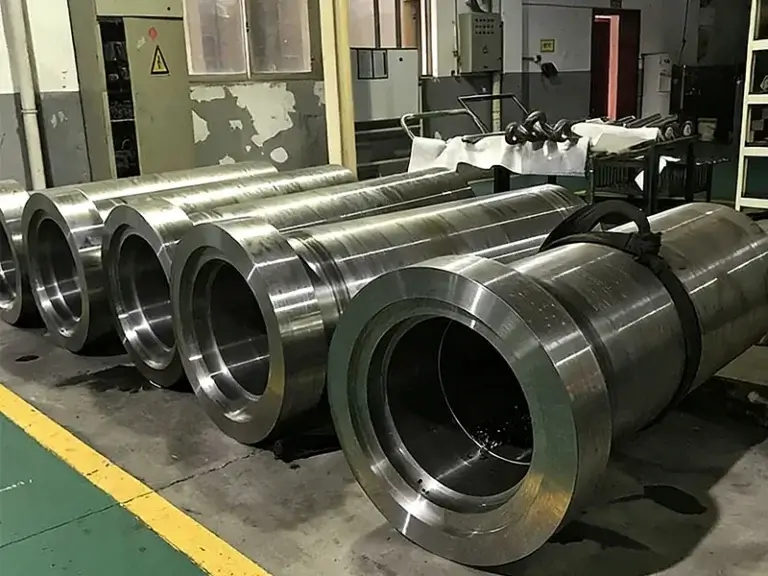
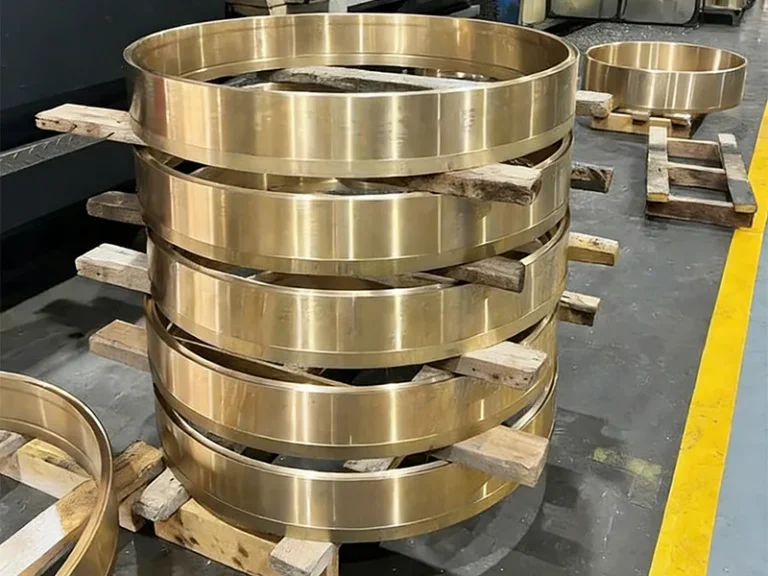
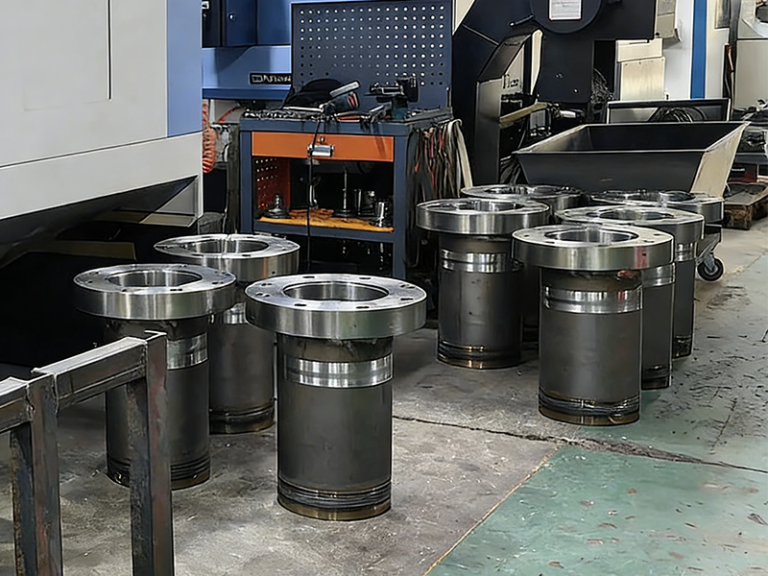
When you factor in the price of a new hydraulic double acting cylinder—which often comes with premium pricing due to its complex design—the savings from rebuilding become even more apparent. Instead of paying for an entirely new casting, rod, and piston, a rebuild reuses the cylinder’s main structural components while replacing only worn seals, bearings, and damaged parts. This approach delivers like-new performance at a fraction of the cost.
2. Faster Turnaround and Reduced Downtime
Time is money in any operation. Ordering a new cylinder—particularly one that meets ISO cylinder standards or requires custom specifications—can involve lead times of weeks or even months, depending on availability and manufacturing schedules.
A Hydraulic Cylinder Rebuild, by contrast, can often be completed in a matter of days. For businesses where every hour of downtime impacts the bottom line, this rapid turnaround is invaluable. Rather than waiting for a new cylinder to be manufactured and shipped, a rebuild gets your equipment back in service quickly, minimizing operational disruptions.
3. Preservation of Original Fit and Specifications
Not all cylinders are created equal. Many machines rely on cylinders with specific mounting dimensions, port locations, and stroke lengths that may no longer be readily available from manufacturers. A standard standard hydraulic cylinder may not match the original equipment’s exact configuration.
A Hydraulic Cylinder Rebuild preserves the original fit, form, and function. By reusing the original barrel, rod, and mounting components, you ensure perfect compatibility with your equipment. There’s no need to modify mounting brackets, reconfigure hoses, or adjust machine settings—the rebuilt cylinder installs exactly as the original did.
4. Environmental Sustainability
In an era where sustainability matters, rebuilding is an environmentally responsible choice. Manufacturing a new cylinder consumes significant raw materials—steel, chrome, cast iron—and requires energy-intensive processes.
Opting for a Hydraulic Cylinder Rebuild extends the service life of existing components, reducing the demand for new raw materials and keeping functional parts out of landfills. For industries that prioritize green initiatives, this aligns with corporate sustainability goals while still delivering reliable performance.
5. Superior Quality Control and Upgrades
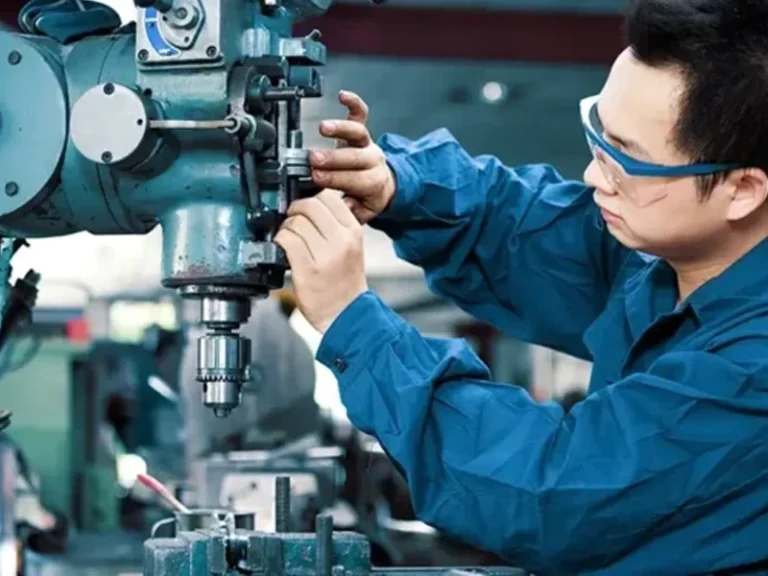
A professional rebuild isn’t simply a seal replacement—it’s an opportunity to upgrade. During a Hydraulic Cylinder Rebuild, experienced technicians can inspect every component and recommend improvements.
For applications demanding extra durability, a tie rod cylinder can be rebuilt with upgraded seals, enhanced wear rings, or improved rod coatings. Similarly, heavy duty hydraulic cylinders benefit from rebuilds that incorporate the latest sealing technologies, often resulting in a cylinder that outperforms its original specifications. Rebuilding allows you to incorporate design improvements that weren’t available when the cylinder was first manufactured.
6. Avoiding Obsolescence Issues
As machinery ages, original manufacturers may discontinue certain cylinder models. Finding a direct replacement for an older machine can become difficult or impossible.
A Hydraulic Cylinder Rebuild eliminates the obsolescence problem. Instead of searching for a discontinued cylinder or attempting costly retrofits, you can restore your existing cylinder to full functionality. This is particularly valuable for legacy equipment where replacement parts are scarce. For a detailed walkthrough of the rebuild process, refer to our guide on How to rebuild a hydraulic cylinder.
7. Warranty and Reliability
Reputable hydraulic cylinder supplier stand behind their work. A quality Hydraulic Cylinder Rebuild typically comes with a warranty that matches or even exceeds what you might receive on a new aftermarket cylinder.
Moreover, because the rebuild process involves thorough inspection and testing, you gain confidence that the cylinder has been carefully evaluated. New cylinders, while factory-assembled, can sometimes arrive with hidden defects. A rebuild offers the assurance of hands-on quality control.
Conclusion
Choosing between a new cylinder and a rebuild isn’t always straightforward, but the advantages of rebuilding are compelling. From substantial cost savings and faster turnaround to environmental benefits and the ability to upgrade components, a Hydraulic Cylinder Rebuild delivers exceptional value.
Whether you’re managing a fleet of heavy equipment or maintaining a single machine, rebuilding offers a practical, reliable, and economical alternative to buying new. By partnering with an experienced repair provider, you can restore your cylinder to like-new condition—often in less time and at a lower cost than purchasing a replacement.