Hydraulic cylinders are the workhorses of modern industry, converting fluid power into linear motion and force. While a single cylinder performs basic pushing or pulling, understanding how do hydraulic cylinders work in real-world machines requires looking at their integration, control, and coordination. From excavators to presses, multiple cylinders often work together to achieve complex movements. In this guide, we will explain how do hydraulic cylinders work both individually and as part of a hydraulic system, using practical examples and clear principles.
1. The Basic Principle – A Quick Recap
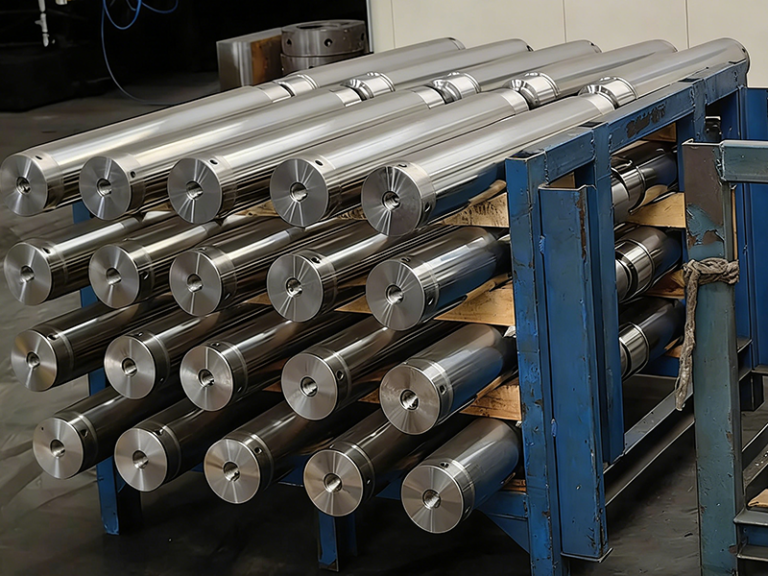
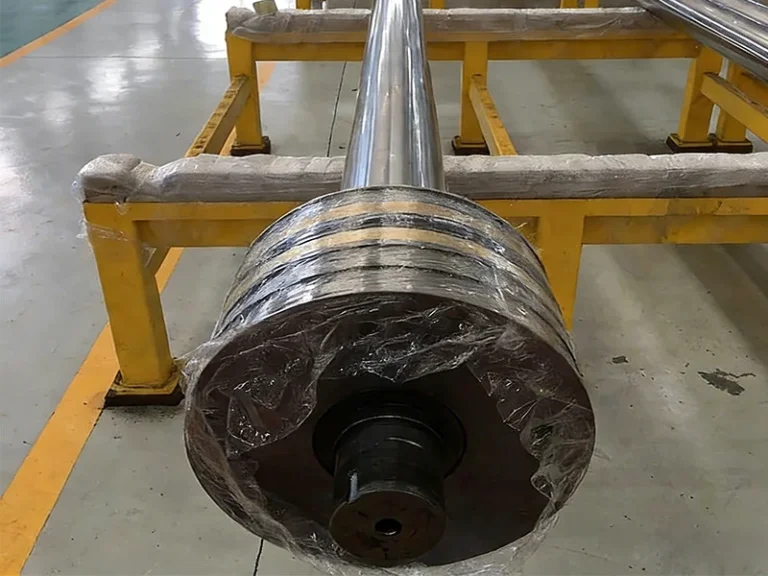
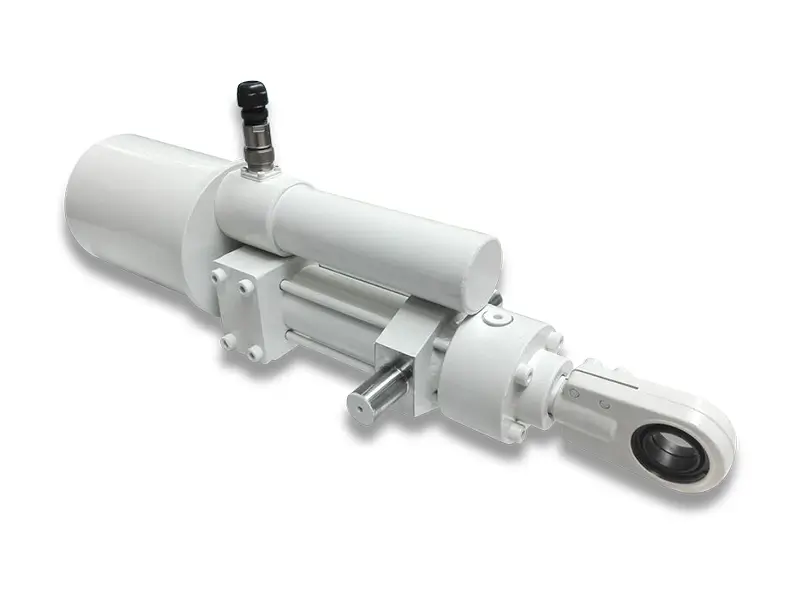
Before exploring multiple cylinders, remember the core physics. How do hydraulic cylinders work at the fundamental level? They rely on Pascal’s law: pressure applied to a confined fluid transmits equally. A cylinder consists of a barrel, piston, and rod. When pressurized oil enters one side, it pushes the piston, extending or retracting the rod. Force equals pressure times piston area (F = P × A). This principle applies whether you have one cylinder or a hundred.
To fully understand how do hydraulic cylinders work, you also need proper measurement skills. Our guide on how to measure a hydraulic cylinder covers the critical dimensions that determine force, speed, and compatibility.
2. Single vs. Multiple Cylinders in a System
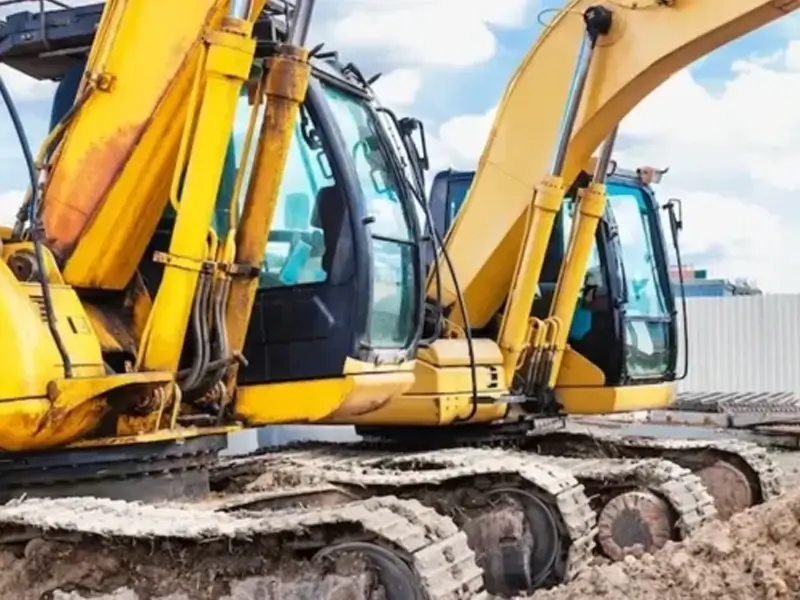
A simple machine might use one cylinder to lift a load. But how do hydraulic cylinders work when several are connected? They share the same pump and reservoir but receive flow through control valves. The system can direct oil to one cylinder, both simultaneously, or sequence them. For example, an excavator boom hydraulic cylinder lifts the boom, while another cylinder extends the stick, and a third curls the bucket. Their coordinated actions allow digging, lifting, and dumping.
The key is flow division. If cylinders operate in parallel, they share pressure equally but flow splits according to load. If in series, fluid passes from one to the next. Understanding how do hydraulic cylinders work in groups helps operators troubleshoot slow or uneven movements.
3. Directional Control and Synchronization
To answer how do hydraulic cylinders work with precision, look at directional control valves. A four-way, three-position valve (often spring-centered) directs oil to either the cap end or rod end of a cylinder. For multiple cylinders, you may need flow dividers or proportional valves to synchronize motion.
Consider a hydraulic cylinder for scissor lift. Scissor lifts often use two or more cylinders that must raise the platform evenly. Without synchronization, one side rises faster, twisting the structure. Engineers use flow dividers or electronic controls to ensure equal extension. This real-world example clarifies how do hydraulic cylinders work in safety-critical applications.
4. Force and Speed Considerations
When asking how do hydraulic cylinders work for different loads, remember that speed depends on flow rate (Q) and cylinder area: speed = Q / A. Force depends on pressure. For a hydraulic cylinder for injection molding machine, high clamping force is essential. Such cylinders are large-bore and operate at high pressure. Speed is less critical than force. In contrast, a hydraulic cylinder for press used in stamping requires both high force and controlled speed, often achieved with regenerative circuits.
When multiple cylinders work together, the pump must supply enough flow to achieve desired speeds. If two cylinders extend simultaneously, the pump flow divides, potentially halving speed. Understanding how do hydraulic cylinders work at the system level prevents under-sizing pumps.
5. Special Cylinder Designs and Applications
The basic principle adapts to many forms. How do hydraulic cylinders work in a custom built hydraulic cylinder? A custom design may have unusual mounting, extra-long stroke, or special materials for corrosive environments. For example, a custom hydraulic cylinder for marine use might be made of duplex stainless steel.
Another specialized type is the excavator boom hydraulic cylinder mentioned earlier. It must withstand shock loads and side forces. Its design includes thicker rod, heavy-duty bearings, and robust seals. Understanding how do hydraulic cylinders work in these variants helps maintenance teams order correct replacement parts.
6. System Integration and Control
Modern machinery often uses electronic control to manage how do hydraulic cylinders work precisely. Proportional valves and position sensors (linear transducers) allow closed-loop control. The cylinder’s position is fed back to a controller, which adjusts valve opening to achieve desired speed and position. This is common in injection molding machines and presses, where a hydraulic cylinder for injection molding machine must hold position accurately during injection.
Similarly, a hydraulic cylinder for press in a stamping line must synchronize with the ram position. Without precise control, the press could misfire or damage tooling. These examples show that how do hydraulic cylinders work extends beyond simple push-pull to sophisticated automation.
7. Safety and Maintenance of Multiple Cylinder Systems
When multiple cylinders work together, failure in one can affect others. For instance, a leaking seal in one cylinder may cause drift, overloading another cylinder. Regular inspection includes checking for external leaks, unusual noises, and synchronized movement. Always follow the manufacturer’s maintenance schedule. Understanding how do hydraulic cylinders work as a team helps you spot problems early.
Also, remember that trapped pressure in any cylinder can cause sudden movement. Relieve pressure before disconnecting lines. Safety is paramount whether you have one cylinder or twenty.
8. Common Troubleshooting Scenarios
If a system with multiple cylinders operates slowly, check pump flow, filter restrictions, or internal leakage in any cylinder. If one cylinder moves erratically, suspect a faulty valve or worn piston seals. Knowing how do hydraulic cylinders work allows systematic diagnosis.
For example, a scissor lift that tilts during raising points to flow imbalance. An excavator that struggles to lift could have a weak excavator boom hydraulic cylinder due to internal bypass. Armed with the knowledge from this guide and measurement techniques from how to measure a hydraulic cylinder, you can identify issues quickly.
Conclusion
So, how do hydraulic cylinders work in the real world? They convert hydraulic pressure into linear force and motion, individually or in coordinated groups. From the excavator boom hydraulic cylinder that digs trenches to the hydraulic cylinder for scissor lift that raises platforms, from custom built hydraulic cylinder and custom hydraulic cylinder designed for unique tasks to the hydraulic cylinder for injection molding machine and hydraulic cylinder for press that shape parts, the fundamental principle remains the same. Mastery of how do hydraulic cylinders work empowers you to operate, maintain, and troubleshoot equipment effectively.