Accurate measurement is the foundation of any successful repair, replacement, or rebuild. Whether you are ordering a new unit, sourcing replacement seals, or diagnosing performance issues, knowing how to measure a hydraulic cylinder correctly saves time, money, and frustration. In this guide, we will walk you through the essential measurements required to identify a hydraulic cylinder and ensure compatibility with your equipment. From bore diameter to stroke length, each dimension plays a critical role.
1. Why Accurate Measurement Matters
Before diving into the tools and techniques, understand that even a small measurement error can lead to ordering the wrong hydraulic cylinder, resulting in downtime and extra costs. Proper measurement also helps you communicate effectively with any hydraulic cylinder manufacturer when sourcing replacements or custom units. For example, measurements are essential whether you are dealing with an excavator hydraulic cylinder, a hydraulic cylinder for crane, or any other type.
2. Tools You Will Need
To measure a hydraulic cylinder, gather the following tools:
Caliper (digital or dial) for small diameters and depths
Inside micrometer or telescoping gauge for bore measurement
Outside micrometer for rod diameter
Tape measure or steel rule for stroke length and overall length
Depth gauge for port depths (if needed)
Clean the cylinder thoroughly before measuring. Dirt or debris can throw off readings.
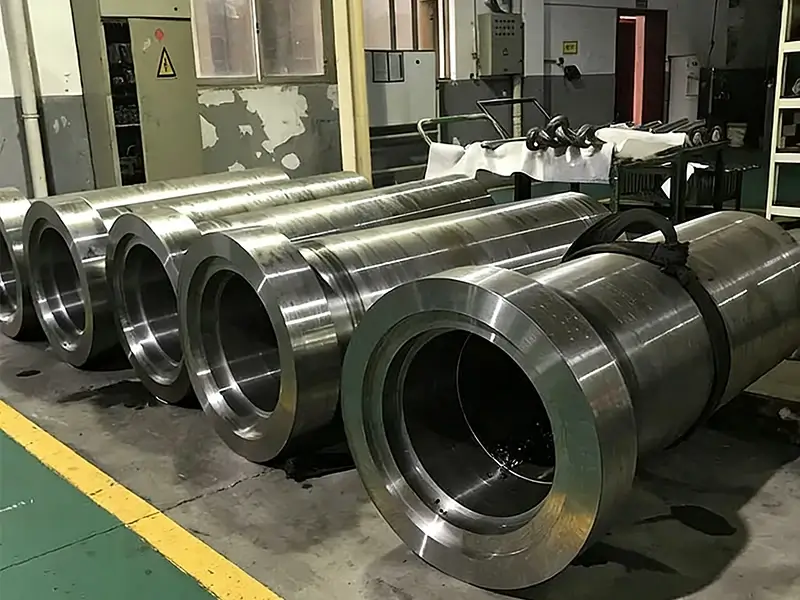
3. Measuring the Bore Diameter
The bore diameter is the internal diameter of the cylinder barrel. This determines the force the hydraulic cylinder can generate. To measure:
Extend the rod fully and clean the inside of the barrel.
Use an inside micrometer or a telescoping gauge transferred to an outside micrometer.
Measure at multiple points (front, middle, rear) and at different rotations (0°, 90°) to check for out-of-round wear.
Record the smallest and largest readings.
For a used hydraulic cylinder, wear may cause the bore to become oval. Knowing the true bore size helps when ordering hydraulic cylinder parts like seals or deciding if reboring is needed.
4. Measuring the Rod Diameter
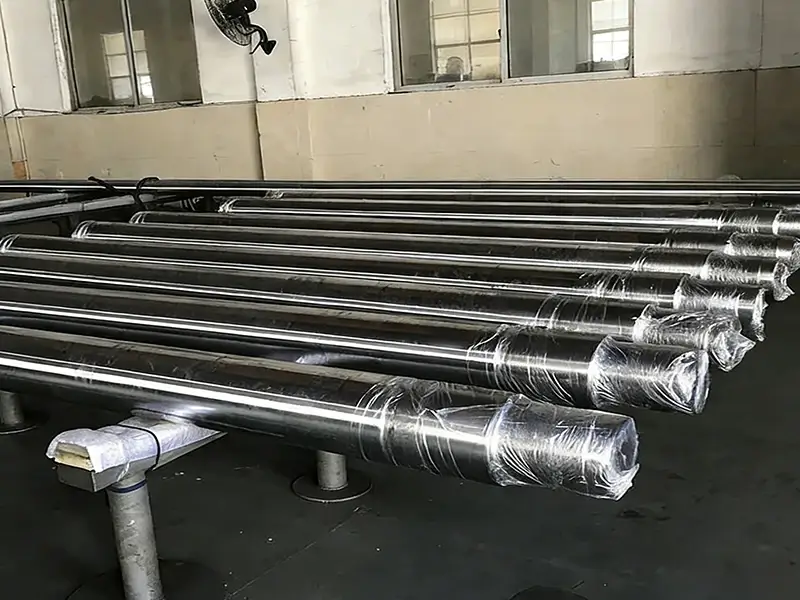
The rod diameter affects seal selection and the cylinder’s buckling strength. To measure:
Clean the chrome surface.
Use an outside micrometer at several points along the rod length.
Avoid measuring over damaged areas (scratches or pitting).
Record the average diameter.
For a hydraulic cylinder for forklift, the rod is subject to high cyclic loads, so precise rod measurement ensures proper seal fit and long service life.
5. Measuring the Stroke Length
Stroke length is the total distance the piston rod travels from fully retracted to fully extended. To measure:
Fully retract the cylinder.
Measure from the center of the pin eye (or from the mounting surface) to the rod end.
Fully extend the cylinder.
Measure again from the same reference points.
Subtract the retracted length from the extended length to get stroke.
For example, if retracted length is 30 inches and extended length is 50 inches, the stroke is 20 inches. Stroke measurement is essential when ordering a replacement hydraulic cylinder.
6. Measuring Retracted and Extended Lengths
Beyond stroke, you need the overall retracted length (center-to-center of mounting pins) and extended length. These dimensions determine if the hydraulic cylinder will physically fit your machine.
Retracted length: Measure between mounting pin centers when fully collapsed.
Extended length: Measure between mounting pin centers when fully extended.
7. Measuring Mounting Types and Dimensions
Hydraulic cylinder mounting styles vary: cross tube, clevis, flange, trunnion, or pin eye. Measure:
Pin diameter (if applicable)
Mounting hole diameter
Distance between mounting centers
Width of the mounting bracket or clevis
When you provide these details to a hydraulic cylinder supplier, they can quickly match your cylinder to an available replacement.
8. Measuring Port Size and Thread Type
Fluid ports must match your hoses and fittings. Measure:
Port thread diameter (using a thread gauge or caliper)
Thread pitch (UNF, metric, BSP)
Port depth and orientation (straight or angled)
Accurate port measurement avoids leaks and assembly headaches.
9. Recording and Using Your Measurements
Create a data sheet for each hydraulic cylinder with the following:
Bore diameter
Rod diameter
Stroke length
Retracted length (center-to-center)
Extended length (center-to-center)
Mounting type and dimensions
Port size and thread type
This record helps you quickly order seals, replacement cylinders, or hydraulic cylinder parts in the future.
10. Common Mistakes to Avoid
Measuring a dirty or oily cylinder – clean first.
Using the wrong tool (tape measure for bore diameter).
Forgetting to check for oval wear in the bore.
Ignoring mounting type differences.
Assuming all cylinders use standard port threads.
By avoiding these errors, you ensure every measurement of your hydraulic cylinder is accurate and actionable.
Conclusion
Knowing how to measure a hydraulic cylinder is an essential skill for equipment owners, maintenance technicians, and procurement professionals. From bore and rod diameters to stroke, mounting dimensions, and port threads, each measurement contributes to correct part selection, efficient repairs, and minimal downtime. Whether you are dealing with an excavator cylinder, a crane cylinder, or a forklift cylinder, accurate measurements ensure you get the right component the first time. Partner with a trusted hydraulic cylinder manufacturer and hydraulic cylinder supplier, and always keep a detailed record of your cylinder dimensions.