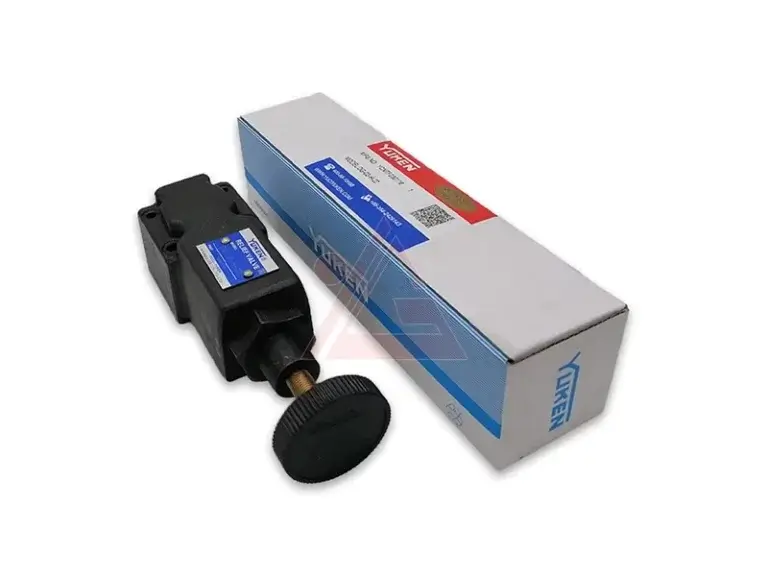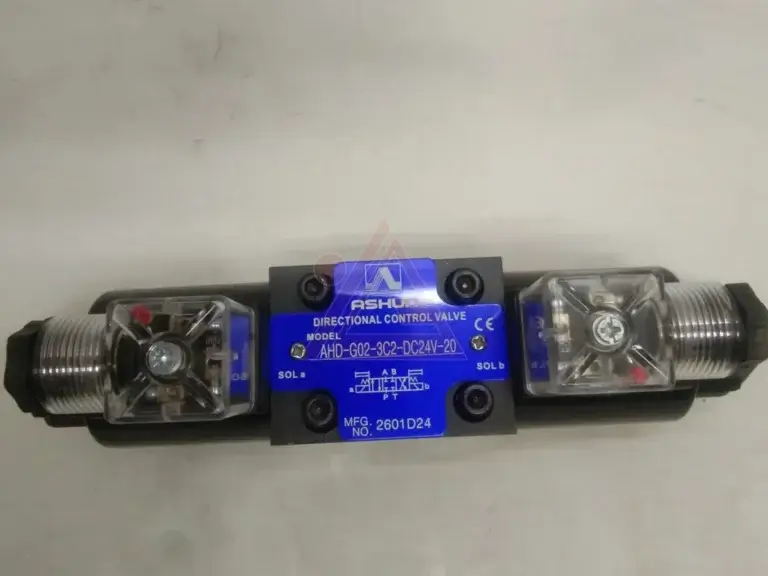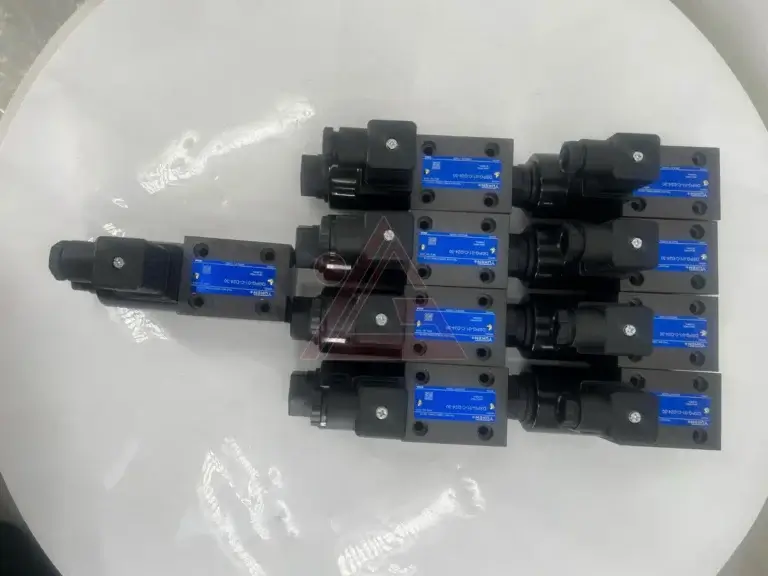
A Directional Control Valve is one of the most fundamental components in any hydraulic system. It directs the flow of hydraulic fluid to different actuators—cylinders, motors, or other devices—by opening, closing, or switching fluid pathways. Without a Directional Control Valve, hydraulic systems would be unable to perform the precise movements required in modern machinery. From construction equipment to industrial presses, the Directional Control Valve is the command center that determines when and how work gets done.
Understanding the applications and functions of Directional Control Valves is essential for anyone involved in hydraulic system design, maintenance, or operation. In this comprehensive guide, we will explore the core functions of Directional Control Valves, their primary applications across industries, and how different valve configurations serve specific operational needs.
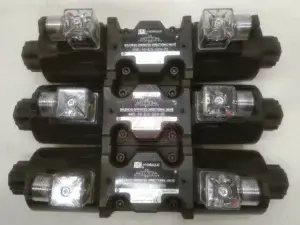
Core Functions of Directional Control Valves
A Directional Control Valve performs several critical functions that enable precise hydraulic system operation. These functions are fundamental to controlling the movement and behavior of hydraulic actuators.
Starting and Stopping Fluid Flow
The most basic function of a Directional Control Valve is to start or stop the flow of hydraulic fluid. When the valve is open, fluid flows to the actuator; when closed, flow is blocked. This on-off capability allows operators to engage or disengage hydraulic functions as needed. For example, a Directional Control Valve can stop fluid flow to a cylinder to hold a load in position, or start flow to initiate a lifting operation.
Changing the Direction of Fluid Flow
Perhaps the most important function of a Directional Control Valve is changing the direction of fluid flow. By diverting flow from a source to an actuator or from an actuator to the return line, the valve controls the direction of movement of hydraulic cylinders and motors. This allows operators to extend or retract cylinders, rotate motors forward or reverse, and perform other directional movements.
Throttling Flow to Manage Pressure and Speed
Many Directional Control Valves can also throttle flow—partially restricting flow to manage pressure and speed. This function enables smooth acceleration and deceleration of actuators, reducing shock loads and improving positioning accuracy. Proportional Directional Control Valves provide stepless and sensitive control of pressure and flow rate, allowing precise adaptation to operating conditions.
Blocking Flow for Maintenance and Safety
Another important function is blocking flow. In certain situations, a Directional Control Valve can block flow to a specific area, preventing fluid from entering that section of the system. This allows maintenance work to be carried out without paralyzing the entire system.
Primary Applications in Construction Equipment
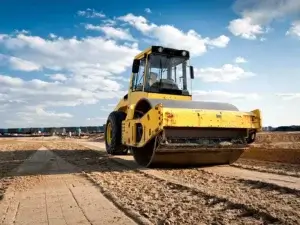
The construction industry relies heavily on Directional Control Valves to control a wide range of hydraulic functions. Mobile directional control valves are specifically designed for the demanding conditions of construction equipment.
Excavators and Loaders
Excavators use Directional Control Valves to control boom lift, bucket curl, arm extension, and swing functions. A typical excavator may have multiple valve sections, each controlling a different hydraulic function. Hydraulic spool valves are commonly used in these applications, providing smooth operation and precise control. Loaders also use Directional Control Valves for lift and tilt functions, enabling operators to scoop, lift, and dump materials efficiently.
Bulldozers and Graders
Bulldozers use Directional Control Valves to control blade lift and tilt, as well as ripper functions. Graders use valves to control blade pitch, circle rotation, and wheel lean. These applications require valves that can handle high pressures and shock loads while providing smooth, proportional control.
Cranes and Aerial Work Platforms
Truck-mounted cranes and aerial work platforms depend on Directional Control Valves for precise positioning and load control. Proportional Directional Control Valves are often used in these applications to enable smooth acceleration and deceleration, reducing load swing and improving operator control.
Applications in Agriculture
Agricultural machinery uses Directional Control Valves extensively to control implements, steering, and other functions.
Tractors and Harvesters
Tractors use Directional Control Valves to control hydraulic implements such as plows, loaders, and mowers. A Directional Control Valve directs flow to the cylinder that raises and lowers the implement, allowing the operator to adjust working depth on the go. Self-propelled harvesters use valves to control header height, reel speed, and unloading augers.
Sprayers and Material Handling
Agricultural sprayers use Directional Control Valves to control boom folding, section control, and spray pressure regulation. Material handling equipment on farms—such as grain augers and conveyors—uses valves to control lifting, tilting, and positioning functions. Directional Control Valves designed for agricultural applications must withstand dust, moisture, and temperature extremes.
Applications in Industrial Machinery
Industrial applications represent another major market for Directional Control Valves.
Machine Tools and Metal Cutting
Machine tools use Directional Control Valves to control workpiece clamping, tool feeding, and axis positioning. Precise control is essential for maintaining tight tolerances in machining operations. Directional Control Valves enable rapid tool changes, precise feed rates, and reliable clamping forces.
Hydraulic Presses and Injection Molding
Hydraulic presses use Directional Control Valves to control the main ram, ejector cylinders, and auxiliary functions. A Directional Control Valve directs flow to the main cylinder for pressing, then redirects flow to return the cylinder to its starting position. Injection molding machines use valves to control mold clamping, injection, and ejection functions. These applications require valves with high flow capacity, reliable sealing, and long service life.
Material Handling and Packaging
Material handling equipment uses Directional Control Valves to control conveyors, lift tables, and pallet positioners. Packaging machinery uses valves to control feeding, cutting, and sealing operations. These applications often require compact valves with fast response times and reliable operation in high-cycle environments.
Applications in Mobile Equipment and Transportation
Mobile equipment represents one of the largest application areas for Directional Control Valves.
Forklifts and Telehandlers
Forklifts use Directional Control Valves to control mast lift, tilt, and side-shift functions. Telehandlers use valves to control boom extension, lift, and attachment tilt. Mobile directional control valves are specifically designed for these applications, offering compact size, high flow capacity, and durability.
Refuse Trucks and Municipal Equipment
Refuse trucks use Directional Control Valves to control packer cylinders, hoist functions, and tailgate operations. Municipal equipment—such as street sweepers and snowplows—uses valves to control various hydraulic functions.
Mining and Forestry Equipment
Mining equipment uses Directional Control Valves to control drilling, loading, and hauling functions. Forestry equipment uses valves to control harvesting heads, cranes, and forwarders. These applications require heavy-duty valves that can withstand extreme conditions and high contamination levels.
Special Applications
Beyond the major industries, Directional Control Valves serve many specialized applications.
Horizontal Directional Drilling
Horizontal directional drilling (HDD) equipment uses Directional Control Valves to control thrust, rotation, and mud flow. These valves must provide precise control in demanding underground conditions.
Marine and Offshore Applications
Marine applications use Directional Control Valves to control steering systems, winches, and deck machinery. Valves for marine applications must be corrosion-resistant and reliable in saltwater environments.
Oil and Gas
The oil and gas industry uses Directional Control Valves to control wellhead equipment, pipeline valves, and drilling systems. These applications often require explosion-proof valves that can operate in hazardous environments.
Proportional and Servo Directional Control Valves
For applications requiring precise speed and position control, proportional directional control valves offer stepless control of flow and pressure. These valves can shift into intermediate positions to control actuator direction, speed, acceleration, and deceleration. Proportional directional control valves are used in applications such as:
Injection molding machines, where precise control of injection speed and pressure is critical
Machine tools, where smooth acceleration and deceleration reduce shock loads
Cranes and aerial work platforms, where load swing must be minimized
Mobile equipment, where precise implement control improves productivity
Selecting the Right Directional Control Valve
Choosing the right Directional Control Valve for an application requires careful consideration of several factors:
Flow Requirements: The valve must handle the required flow without excessive pressure drop.
Pressure Rating: The valve must be rated for the system’s maximum operating pressure.
Valve Configuration: Determine whether a 2-way, 3-way, or 4-way valve is needed.
Center Type: Open center, closed center, tandem center, or float center based on system requirements.
Actuation Method: Manual, solenoid, pilot, or proportional based on control needs.
Mounting Configuration: Subplate, threaded, or cartridge mounting.
Future Trends in Directional Control Valve Technology
The hydraulic industry continues to evolve, with new Directional Control Valve technologies emerging:
Digital and Smart Valves: Valves with built-in electronics and IoT connectivity for condition monitoring and predictive maintenance.
Energy-Efficient Designs: Valves that minimize pressure drops and reduce energy consumption.
Modular Valve Systems: Configurable valve assemblies that can be customized to meet specific machine requirements.
Electrohydraulic Controls: Integration of electronic control with hydraulic valves for improved precision and programmability.
Conclusion
A Directional Control Valve is the control center of any hydraulic system, directing fluid flow, regulating pressure, and controlling actuator speed and direction. The core functions of a Directional Control Valve—starting and stopping flow, changing flow direction, throttling flow, and blocking flow—enable precise control of hydraulic cylinders, motors, and other actuators. Whether you need a hydraulic spool valve for smooth operation, a mobile directional control valve for demanding construction and agricultural applications, or a proportional directional control valve for precise speed and position control, understanding the applications and functions of Directional Control Valves is essential for designing, operating, and maintaining hydraulic systems. By selecting the right Directional Control Valve for your application and staying informed about emerging technologies, you can ensure reliable, efficient, and precise hydraulic system performance.