A pressure control valve is one of the most critical components in any hydraulic cylinder system. It determines the force your cylinder can generate, protects your equipment from overpressure, and ensures smooth, predictable operation. Selecting the wrong pressure control valve—or setting it incorrectly—can lead to sluggish performance, overheating, component failure, or even serious safety hazards. This guide walks you through the essential steps for choosing and setting the right pressure control valve for your hydraulic cylinder application.
1. Understanding the Role of Pressure Control Valve in Cylinder Systems
Before you can select a pressure control valve, you must understand what it does. In a hydraulic cylinder circuit, the pressure control valve manages the pressure of the fluid that acts on the piston. It performs several key functions: limiting maximum system pressure, maintaining a reduced pressure in sub-circuits, sequencing cylinder operations, controlling overrunning loads, and unloading pumps for energy efficiency.
The most common types of pressure control valve include the pressure relief valve, the pressure reducing valve, and the counterbalance valve. Each serves a distinct purpose. A pressure relief valve protects the system from overpressure by diverting excess fluid to the reservoir. A pressure reducing valve maintains a lower, constant pressure in a branch circuit. A counterbalance valve prevents a load from running away by creating backpressure on the return line.
Without a properly chosen and set pressure control valve, your cylinder may lack force, move erratically, or cause damage to the pump and other components. Therefore, the selection and setting process must be systematic.
2. Step 1: Identify the Required Valve Function
The first step in choosing a pressure control valve is to define exactly what you need it to do.
Limiting maximum pressure: If your goal is to protect the pump, cylinder, and hoses from overpressure, you need a pressure relief valve. This is the most common type of pressure control valve in hydraulic systems.
Providing lower pressure to a sub-circuit: If a particular part of your circuit—such as a clamp cylinder or pilot control—requires lower pressure than the main system, you need a pressure reducing valve.
Controlling actuator sequence: If you need one cylinder to complete its stroke before another begins, a sequence valve is required. This is a specialized pressure control valve.
Controlling overrunning loads: If you have a load that tends to pull the cylinder (e.g., a lowering boom or a descending platform), you need a counterbalance valve. This pressure control valve prevents uncontrolled movement.
Unloading a pump: If your system uses an accumulator and you want to unload the pump when the accumulator is charged, you need an unloading valve.
By identifying the function first, you narrow down the type of pressure control valve you need.
3. Step 2: Match Pressure Control Valve to System Flow and Pressure
Once you know the function, you must size the pressure control valve correctly. Two parameters are critical: flow rate and pressure rating.
Flow Rate: The valve must pass enough oil to achieve the required cylinder speed. If the pressure control valve is too small, it will create excessive pressure drop, generate heat, and slow down the cylinder. Calculate the required flow using the cylinder area and desired speed. For a double-acting cylinder, remember that extension and retraction flow rates differ because the rod reduces the effective area on the rod side.
Pressure Rating: The pressure control valve must be rated for your system’s maximum operating pressure. Always choose a valve with a pressure rating at least 10–20% higher than the highest pressure your system will see, including pressure spikes. This safety margin prevents premature failure.
4. Step 3: Choose Between Direct-Acting and Pilot-Operated Pressure Control Valve
Pressure control valves come in two main designs: direct-acting and pilot-operated.
Direct-acting valves: These are simple and respond quickly. They are ideal for low-flow applications and for relieving shock pressures. However, they may have higher pressure override (the difference between cracking pressure and full-flow pressure).
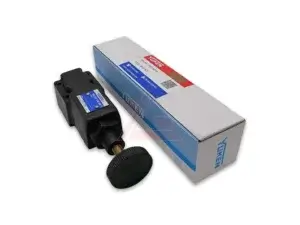
Pilot-operated valves: These use a small pilot valve to control a larger main valve. They are suitable for high-flow applications and provide more stable pressure control with lower pressure override. A pilot-operated pressure control valve is often the best choice for large hydraulic cylinders and systems with high flow rates.
Consider the response time, pressure accuracy, and flow capacity when deciding between these two designs.
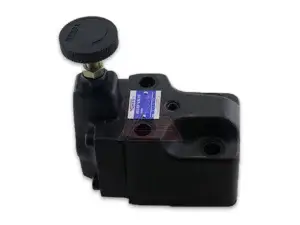
5. Step 4: Consider Adjustability and Setting Mechanisms
Most pressure control valves are adjustable, allowing you to set the desired pressure. The adjustment mechanism typically consists of a screw that compresses or releases a spring. Some valves have a locknut to secure the setting. Others may have a tamper-resistant cap or a sealed adjustment to prevent unauthorized changes.
When choosing a pressure control valve, consider how easy it is to adjust and whether you need a panel-mount or remote-adjustment option. For critical applications, a valve with a calibrated scale or a digital pressure setting may be preferable. Also, check the valve’s pressure range to ensure it covers your required setting without being overly wide (which reduces resolution).
6. Step 5: How to Set a Pressure Control Valve Correctly
Setting a pressure control valve incorrectly is one of the most common causes of hydraulic system failure. Here is a step-by-step procedure for setting a pressure relief valve, the most frequently adjusted pressure control valve in cylinder systems.
Safety First: Ensure the system is depressurized before starting. Wear safety glasses and gloves. Connect a calibrated pressure gauge at the valve’s location or at a test port.
Step 1: Loosen the locknut. Use a wrench to loosen the locknut on the adjustment screw.
Step 2: Turn the adjustment screw. Turning clockwise increases the pressure setting; turning counterclockwise decreases it. Make small adjustments—no more than a quarter turn at a time.
Step 3: Monitor the pressure gauge. Start the system and observe the pressure. Allow the system to stabilize before making further adjustments.
Step 4: Fine-tune. Continue making small adjustments until the gauge reads the desired pressure. Remember that the relief valve should be set at least 10–15% above the maximum working pressure to avoid nuisance opening.
Step 5: Tighten the locknut. Hold the adjustment screw in place and tighten the locknut securely.
Step 6: Test the system. Cycle the cylinder several times and verify that the pressure remains stable and the cylinder operates smoothly.
For a pressure reducing valve, the procedure is similar, but you are setting the downstream pressure rather than the maximum system pressure. For a counterbalance valve, the setting is typically about 30% higher than the load-induced pressure to ensure smooth lowering.
7. Common Mistakes When Choosing and Setting Pressure Control Valve
Avoid these common errors:
Setting the relief valve too low: The cylinder will lack force, and the system will overheat as oil continuously bypasses over the relief valve.
Setting the relief valve too high: This risks damage to components, burst hoses, and seal failure.
Using the wrong valve type: For example, using a relief valve where a counterbalance valve is needed can lead to uncontrolled load descent.
Ignoring flow capacity: An undersized pressure control valve creates excessive pressure drop and heat.
Forgetting to lock the setting: Vibration can change the adjustment over time.
Not documenting the setting: Always record the final pressure setting for future reference.
8. Application Examples: Pressure Control Valve in Different Cylinder Systems
Hydraulic Press: A pressure relief valve protects the press from overpressure. It is set to the maximum working pressure plus a safety margin. A pressure reducing valve may supply lower pressure to the control circuit.
Crane Boom: A counterbalance valve controls the lowering of the boom, preventing the load from running away. It is set slightly above the load pressure.
Clamping Circuit: A pressure reducing valve provides a lower, constant clamping pressure to avoid damaging the workpiece. A pressure relief valve protects the clamp circuit from overpressure.
Multi-Cylinder Sequence: A sequence valve ensures that the clamp cylinder extends fully before the work cylinder begins its stroke.
9. Maintenance and Troubleshooting of Pressure Control Valve
To keep your pressure control valve working reliably:
Keep fluid clean: Contamination is the leading cause of valve failure.
Check for leaks: Inspect the valve body and fittings regularly.
Monitor temperature: Excessive heat can damage seals and affect settings.
Test pressure settings: Periodically verify the valve maintains the correct pressure.
Replace worn parts: Use OEM-approved seal kits and springs.
Common problems include pressure drift (often due to spring fatigue), valve sticking (contamination), and external leaks (worn seals). Address these promptly to avoid system downtime.
Conclusion
Choosing and setting the right pressure control valve for your hydraulic cylinder is essential for safe, efficient, and reliable operation. By following the steps outlined in this guide—identifying the required function, matching flow and pressure, selecting the right design, and setting the valve correctly—you can ensure your cylinder system performs as intended. Whether you need a pressure relief valve, a pressure reducing valve, or a counterbalance valve, understanding the selection and setting process will save you from costly failures and downtime. Always prioritize safety, use proper tools, and document your settings. A well-chosen and correctly set pressure control valve is the key to smooth, powerful, and long-lasting hydraulic cylinder performance.