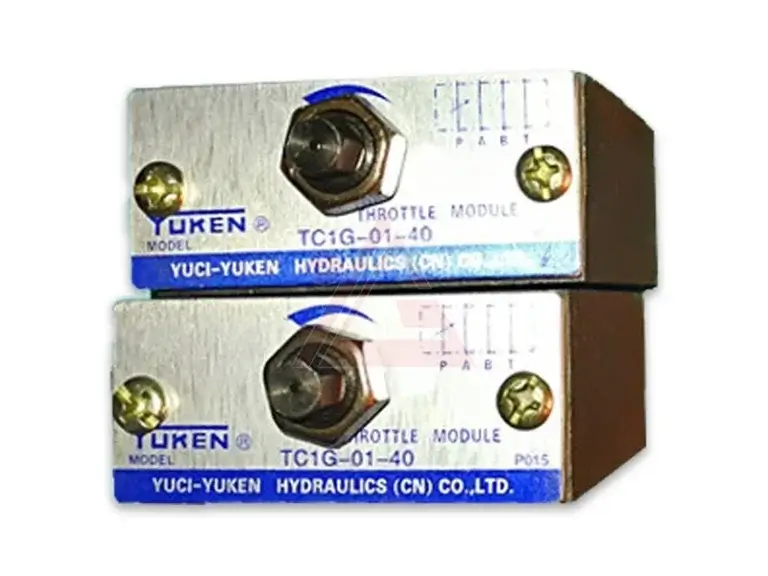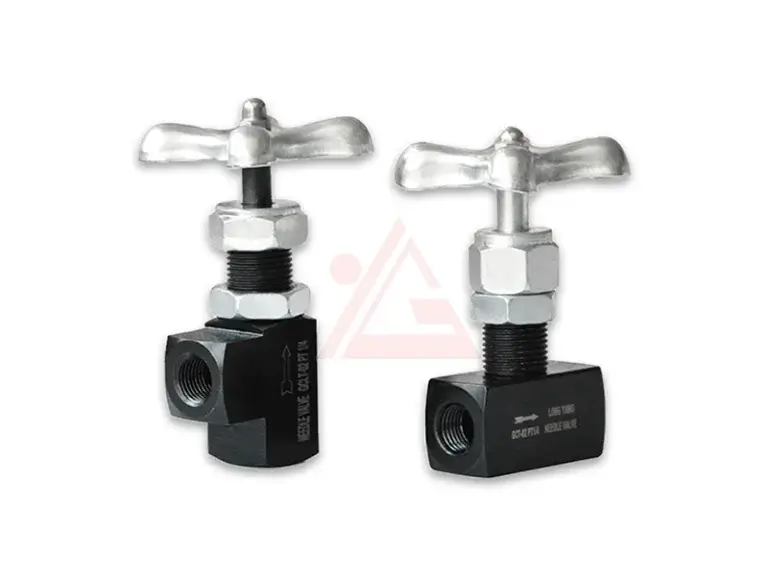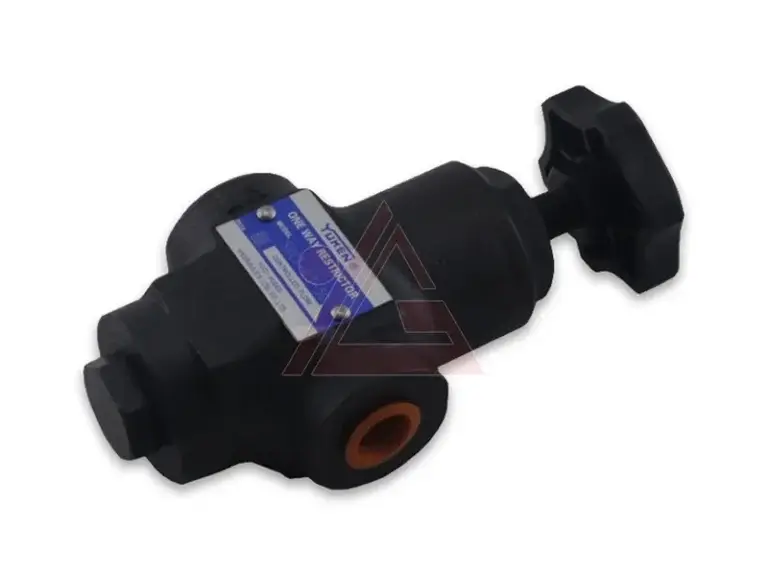
A Hydraulic Flow Control Valve is essential for regulating the speed of hydraulic cylinders and motors. When it malfunctions, the entire system can suffer from erratic movement, slow operation, or complete failure. Understanding how to troubleshoot common Hydraulic Flow Control Valve problems is a critical skill for maintenance technicians, engineers, and equipment operators. In this comprehensive guide, we will explore the most frequent Hydraulic Flow Control Valve issues, their root causes, diagnostic techniques, and practical solutions to restore system performance.
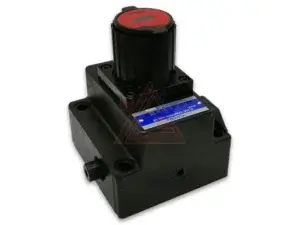
1. Common Symptoms of Hydraulic Flow Control Valve Problems
Recognizing the symptoms of a failing Hydraulic Flow Control Valve is the first step in troubleshooting. Common symptoms include:
Inconsistent Cylinder Speed: The cylinder moves slower or faster than expected, or speed varies between cycles.
Erratic or Jerky Motion: The cylinder moves in a rough, uneven manner.
Cylinder Drift: The cylinder moves when the valve is in a closed or neutral position.
System Overheating: Excessive heat generation due to internal leakage or high pressure drop.
Pressure Drop: A significant loss of pressure across the Hydraulic Flow Control Valve.
Unusual Noise: Whining, squealing, or chattering sounds from the valve or actuator.
2. Safety Precautions Before Troubleshooting
Before inspecting any Hydraulic Flow Control Valve, follow these critical safety steps:
Relieve System Pressure: Always depressurize the system completely before disconnecting any fittings or removing a valve.
Lock Out/Tag Out: Follow proper lockout/tagout procedures to prevent accidental system startup.
Wear PPE: Use safety glasses, gloves, and protective clothing.
Contain Fluid: Have absorbent materials and drip pans ready to capture any spilled hydraulic fluid.
3. Tools Needed for Troubleshooting
To properly diagnose a Hydraulic Flow Control Valve, you will need:
Pressure Gauge: For measuring system and valve port pressures.
Flow Meter: To measure flow rates through the valve.
Temperature Gun: For detecting hot spots indicating internal leakage.
Manual Tools: Wrenches, hex keys, and screwdrivers for adjustment and disassembly.
Cleaning Supplies: Lint-free cloths and appropriate cleaning solvents.
4. Problem: Incorrect Adjustment
One of the most common Hydraulic Flow Control Valve problems is simply incorrect adjustment. The valve may be set too open or too closed for the application.
Symptoms: Cylinder speed is too fast or too slow. Speed may be inconsistent.
Diagnostic Steps:
- Check the current setting of the adjustment screw or knob.
- Compare the setting to the manufacturer’s recommended range.
- Verify the system is at operating temperature.
Solutions:
Adjust the valve following the procedure in the manufacturer’s manual.
Use a flow meter for precise adjustment.
Lock the adjustment nut after setting.
5. Problem: Blockage or Contamination
Contamination is the leading cause of Hydraulic Flow Control Valve failure. Particles, dirt, or debris can partially block the valve’s internal passages, restricting flow.
Symptoms: Cylinder speed is reduced, or the valve fails to pass sufficient flow. The system may overheat.
Diagnostic Steps:
- Check the hydraulic fluid for contamination (cloudy appearance, particles).
- Inspect the valve inlet and outlet for debris.
- Check filters for excessive dirt or damage.
Solutions:
Flush the Hydraulic Flow Control Valve with clean fluid.
Disassemble and clean the valve using appropriate solvents and lint-free cloths.
Replace hydraulic fluid and filters if contamination is severe.
Install finer filtration if contamination is a recurring issue.
6. Problem: Internal Leakage
Internal leakage occurs when fluid bypasses the control orifice within the Hydraulic Flow Control Valve. This reduces the valve’s ability to regulate flow.
Symptoms: Cylinder drift, slow operation, and system overheating. The valve may not hold the set flow rate.
Diagnostic Steps:
- Measure the pressure drop across the valve. A lower-than-expected drop may indicate internal leakage.
- Use a flow meter to compare actual flow to the set flow.
- Check for wear on the internal spool or poppet.
Solutions:
Replace worn seals and O-rings.
If the internal components are worn, replace the Hydraulic Flow Control Valve.
For rebuildable valves, install a new seal kit.
7. Problem: Valve Installed Backwards
A Hydraulic Flow Control Valve is directional. Installing it backwards will prevent proper flow regulation.
Symptoms: The cylinder moves at full speed regardless of the valve setting, or the valve does not restrict flow at all.
Diagnostic Steps:
Check the flow direction arrow on the valve body.
Verify the inlet and outlet connections match the flow direction.
Solutions:
Remove the valve and reinstall it in the correct orientation.
Verify the check valve orientation if the valve has an integral check valve.
8. Problem: Incompatible Valve Type
Using the wrong type of Hydraulic Flow Control Valve for the application can cause performance issues.
Symptoms: Speed control is poor, especially under varying loads. The valve may not maintain consistent flow.
Diagnostic Steps:
Check the valve type and specifications against the application requirements.
Determine whether a pressure compensated flow control valve or a needle valve is required.
Solutions:
Replace the valve with the correct type for the application.
For applications with varying loads, use a pressure compensated flow control valve.
9. Problem: Temperature Effects
Temperature changes affect hydraulic fluid viscosity. Higher temperatures reduce viscosity, increasing flow. Lower temperatures increase viscosity, reducing flow.
Symptoms: Cylinder speed varies between cold startup and normal operating temperature.
Diagnostic Steps:
Measure the system temperature at startup and after operation.
Compare cylinder speed at different temperatures.
Solutions:
Use a temperature compensated flow control valve for applications with significant temperature variations.
Allow the system to reach operating temperature before final adjustment.
10. Problem: Pressure Drop Too High
Excessive pressure drop across a Hydraulic Flow Control Valve wastes energy and generates heat.
Symptoms: The system overheats, and pressure upstream of the valve is significantly higher than downstream.
Diagnostic Steps:
Measure pressure at the inlet and outlet of the valve.
Compare the pressure drop to the valve’s specifications.
Solutions:
Check for blockages or restrictions in the valve.
Ensure the valve is properly sized for the system flow.
Replace the valve with a larger size if the drop is excessive.
11. Preventive Maintenance for Hydraulic Flow Control Valves
Preventing problems is better than troubleshooting them. Regular maintenance of your Hydraulic Flow Control Valve includes:
Keep Fluid Clean: Maintain proper filtration and change filters regularly.
Monitor Temperature: Keep operating temperatures within recommended ranges.
Inspect Regularly: Check for leaks, unusual noise, and proper operation.
Test Settings: Periodically verify the valve maintains the correct flow rate.
Schedule Rebuilds: Rebuild critical valves before they fail.
Conclusion
Troubleshooting a Hydraulic Flow Control Valve requires a systematic approach to identify the root cause of failure. Whether the problem is incorrect adjustment, blockage, internal leakage, reverse installation, incompatible valve type, temperature effects, or excessive pressure drop, understanding the symptoms, diagnostic steps, and solutions will help you restore system performance quickly. By implementing preventive maintenance practices—keeping fluid clean, monitoring temperature, inspecting regularly, and rebuilding valves before they fail—you can extend the life of every Hydraulic Flow Control Valve in your system and minimize costly downtime.