A Compact Hydraulic Cylinder is prized for its ability to deliver high force in restricted spaces. However, when performance issues arise – slow operation, leakage, or erratic movement – diagnosing the root cause can be challenging due to limited access. This guide provides a systematic troubleshooting approach for a Compact Hydraulic Cylinder to help you restore reliable operation quickly. For a basic understanding of this cylinder type, see our guide on What Is a Compact Hydraulic Cylinder.
1. Cylinder Moves Slowly or Lacks Force
If your Compact Hydraulic Cylinder extends or retracts slower than normal, or cannot generate enough force:
Check system pressure. Use a pressure gauge at the cylinder ports. Low pressure affects force. Verify the pump and relief valve settings.
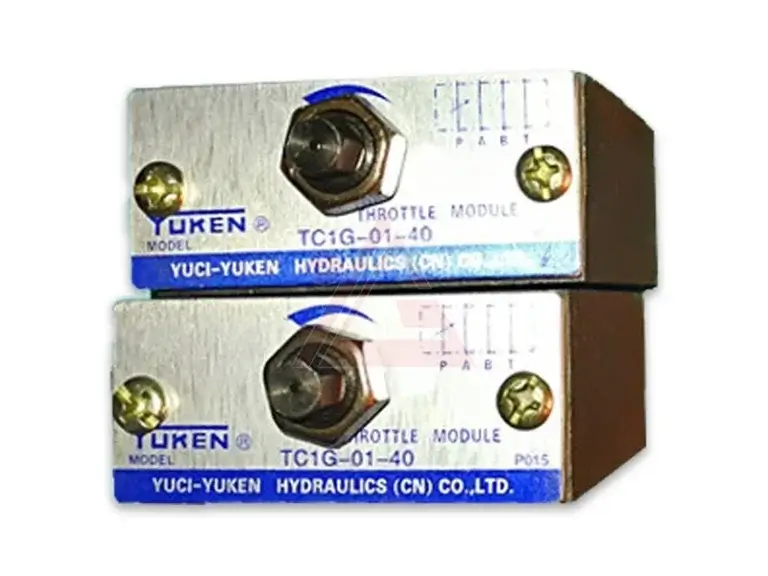
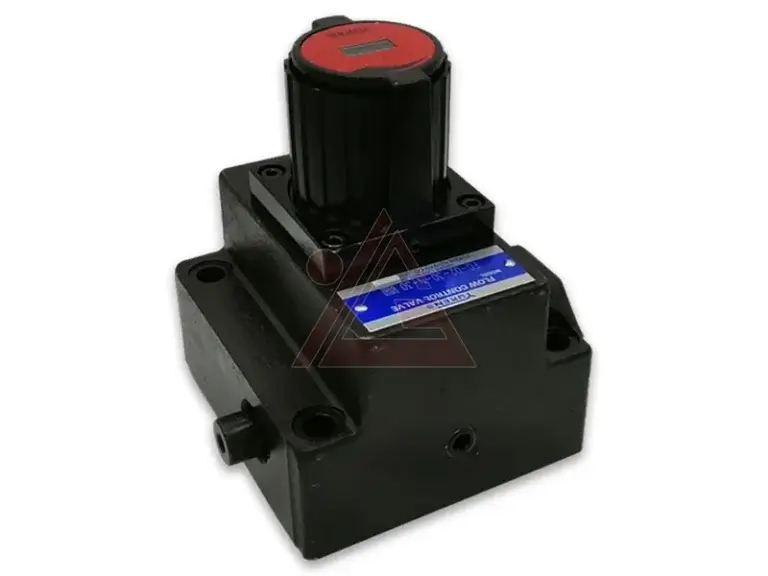
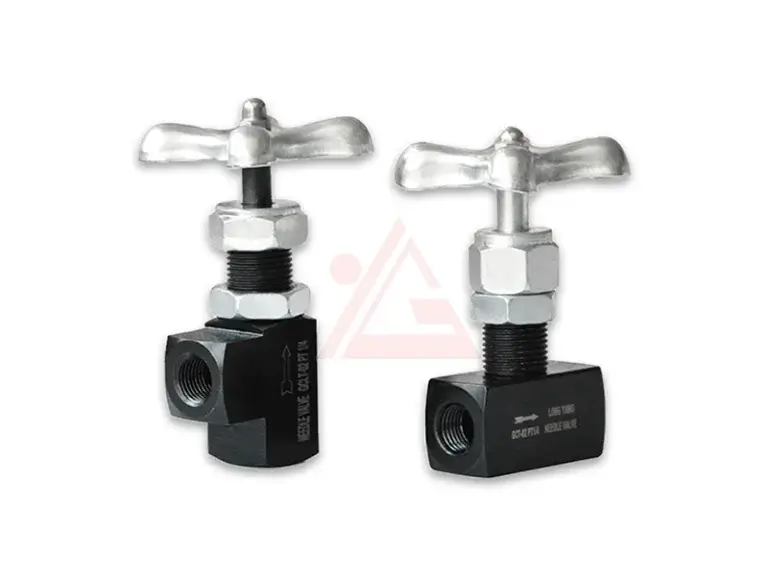
Inspect flow control valves. A partially closed valve restricts flow, reducing speed.
Look for internal leakage. Worn piston seals allow fluid to bypass. Test by extending the cylinder, then blocking ports – if the rod drifts, seals are leaking. A short stroke compact cylinder with bypass needs immediate seal replacement.
Check if a low-force application might actually require a small bore variant (but we focus on compact design).
2. External Fluid Leaks
Visible oil leaks from the gland or port fittings are common issues:
Gland leak. The rod seal or wiper is worn. For a flat hydraulic cylinder (a very low-profile type), a scored rod often damages the seal. Replace the seal kit and polish the rod.
Port fitting leak. Tighten fitting to spec. If leak persists, replace the fitting or O-ring.
Body crack. Rare but possible in over-pressurized aluminum compact cylinder bodies. Replace the cylinder.
3. Erratic or Jerky Movement
If the Compact Hydraulic Cylinder moves in a jerky, uneven manner:
Air in the system. Bleed air by cycling the cylinder under low pressure several times.
Sticky control valve. Clean or replace the directional valve.
Rod binding due to misalignment. Verify that the cylinder mount aligns with the load. A miniature compact cylinder with a clevis mount allows some misalignment; a rigid flange mount does not.
Damaged rod surface. Deep scratches cause seal chatter. Polish or replace rod.
4. Cylinder Drifts (Load Drops Unexpectedly)
When a Compact Hydraulic Cylinder cannot hold a position:
Isolate the cylinder. Cap both ports and apply pressure. If drift stops, the problem is in the valve (leaking pilot or check valve).
If drift continues, piston seals are worn. Replace them. For corrosive environments, use a corrosion resistant compact cylinder with upgraded seal materials.
Check counterbalance valve (if fitted). A stuck-open valve causes drift.
5. Unusual Noises – Knocking, Whining, or Grinding
Abnormal sounds from a Compact Hydraulic Cylinder indicate specific problems:
Knocking: Loose mounting bolts or a bent rod. Tighten bolts; straighten or replace rod.
Whining: Air in system (bleed) or pump cavitation (check suction strainer).
Grinding: Metal-to-metal contact. Likely worn piston bearings or a scored barrel. For a welded compact cylinder (no tie rods), a rebuild may require cutting the welds – consult a specialist.
6. Overheating of the Cylinder
If the Compact Hydraulic Cylinder becomes too hot to touch:
Internal bypass. Worn piston seals generate heat from pressurized oil leaking across. Replace seals.
Continuous operation at high speed. Reduce cycle rate or add cooling.
System relief valve set too high. Adjust to correct pressure.
7. Rod Surface Damage
Visible scoring, pitting, or chrome flaking on the rod:
Minor scratches. Polish with fine emery cloth.
Deep gouges or flaking. Rod must be re-chromed or replaced. A custom compact cylinder can be rebuilt with a new rod.
Corrosion. Upgrade to a corrosion resistant compact cylinder for harsh environments.
8. Seal Extrusion or Blow-Out
Seals pushing out of their grooves:
Excessive pressure spikes. Install a pressure relief valve or accumulator.
Incorrect seal material. Use Viton for high temperatures; polyurethane for abrasion.
Missing backup rings. Always install backup rings in high-pressure applications.
9. Mounting Bolt Looseness
Vibration can loosen bolts holding the Compact Hydraulic Cylinder:
Re-torque bolts to manufacturer specification. Use a star pattern for flanges.
Apply threadlocker (medium strength) and recheck after a few hours.
10. Preventative Measures
To minimize future issues with your Compact Hydraulic Cylinder:
Keep hydraulic fluid clean and change filters regularly.
Inspect rod surface monthly.
Replace seals at scheduled intervals (every 2-3 years or 5,000 hours).
Use rod boots in dusty environments.
Conclusion
Troubleshooting a Compact Hydraulic Cylinder involves checking for slow operation, leaks, erratic movement, drift, noises, overheating, rod damage, seal extrusion, and loose bolts. Whether you use a short stroke compact cylinder, aluminum compact cylinder, flat hydraulic cylinder, miniature compact cylinder, corrosion resistant compact cylinder, or welded compact cylinder, systematic diagnosis will identify the root cause. Early detection reduces downtime and repair costs. For foundational knowledge, revisit What Is a Compact Hydraulic Cylinder. With proper troubleshooting, your compact cylinder will deliver reliable performance for years.