A Hydraulic Pump is the heart of any hydraulic cylinder system. It converts mechanical energy into fluid power, generating the flow and pressure needed to extend and retract cylinders. Selecting the wrong Hydraulic Pump can result in slow cycle times, insufficient force, overheating, or premature component failure. This guide provides a systematic approach to choosing the right Hydraulic Pump for your hydraulic cylinder application.
1. Understand Your Hydraulic Cylinder Requirements
Before selecting a Hydraulic Pump, you must fully understand the demands of your hydraulic cylinder system.
Force Requirements
The force a hydraulic cylinder produces depends on bore size and system pressure: Force = Pressure × Piston Area. Determine the maximum load your cylinder must push or pull. This establishes the minimum pressure your Hydraulic Pump must deliver. For high-force applications, a Hydraulic Pump with higher pressure capability—such as a piston pump—is often required. As a rule of thumb, the pump’s rated pressure should be at least 25% higher than the system’s working pressure to provide a safety margin.
Speed Requirements
Cylinder speed is determined by flow rate: Speed = Flow Rate / Piston Area. Faster cylinder movement requires higher flow from the Hydraulic Pump. Calculate the required flow rate using: Q = (A × v) / 231, where Q is flow in gallons per minute (GPM), A is piston area in square inches, and v is desired velocity in inches per minute. After calculating raw flow, add a 10-30% margin for acceleration and cycle time optimization.
Single-Acting vs. Double-Acting Cylinders
Single-acting cylinders extend under hydraulic pressure and retract by gravity or external force. They require a Hydraulic Pump with only one pressure port. Double-acting cylinders use hydraulic pressure for both extension and retraction, requiring a Hydraulic Pump with two ports. This distinction affects pump complexity and valving requirements.
2. Calculate Flow Rate and Pressure Requirements
Flow Rate Calculation
The flow rate from your Hydraulic Pump determines cylinder speed. For a double-acting cylinder, you need to calculate the flow required for both extension and retraction—retraction flow is lower because the rod reduces the effective area on the rod side. The basic formula is:
GPM required = (Cylinder Area × Stroke Length × Cycle Time) / 231
For continuous operation, factor in pump efficiency. Gear pumps typically have 80-85% efficiency, while piston pumps achieve 90-95%.
Pressure Requirements
The pressure your Hydraulic Pump must deliver is determined by the load. Pressure ranges typically fall into three categories:
| Pressure Range | Typical Applications |
|---|---|
| Up to 1,000 PSI | Agricultural equipment, light industrial machinery |
| 1,000 – 3,000 PSI | Construction equipment, manufacturing machinery |
| Exceeding 3,000 PSI | Mining, steel mills, high-performance equipment |
For high-pressure applications (above 3,000 PSI), a piston pump is the most reliable choice.
3. Choose the Right Pump Type
There are three main types of Hydraulic Pump: gear, vane, and piston. Each has distinct characteristics that make it suitable for different applications.
Gear Pumps
A gear pump is the most common and economical type of Hydraulic Pump. It uses two meshing gears to move fluid from the inlet to the outlet. Gear pumps are fixed displacement—they deliver a constant flow per revolution. They are ideal for low-to-medium pressure systems (up to 3,000 PSI) where durability and cost-effectiveness are priorities. Common applications include agricultural machinery, construction equipment, and log splitters. However, gear pumps are less efficient than piston pumps, especially at higher pressures.
Vane Pumps
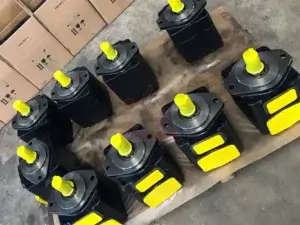
Vane pumps use a rotor with sliding vanes that trap fluid between the vanes and the housing. They offer quieter operation and better efficiency than gear pumps, making them suitable for medium-pressure applications (up to 2,500 PSI) where noise is a concern. Vane pumps can be fixed or variable displacement and are commonly used in industrial machinery, machine tools, and injection molding machines. They represent a balanced middle ground between gear and piston pumps.
Piston Pumps
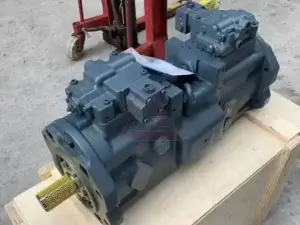
A piston pump is the most versatile and efficient type of Hydraulic Pump. It uses reciprocating pistons to displace fluid and can handle pressures up to 6,000 PSI or more. Piston pumps can be fixed or variable displacement, offering precise control and excellent efficiency. They are the preferred choice for heavy-duty applications such as excavators, mining equipment, and high-performance industrial systems. While piston pumps are more expensive and complex than gear or vane pumps, their superior performance justifies the cost in demanding applications.
4. Fixed vs. Variable Displacement
Fixed Displacement Pumps
A fixed displacement Hydraulic Pump delivers a constant volume of fluid per revolution, regardless of pressure. It is simpler, more affordable, and ideal for applications with constant flow requirements. However, it wastes energy when flow demand varies because excess flow must be bypassed through a relief valve.
Variable Displacement Pumps
A variable displacement Hydraulic Pump can adjust its output flow to match system demand by changing the internal displacement chamber—for example, by altering the swashplate angle in an axial piston pump. This reduces energy consumption by 30-50% in dynamic load cycles. Variable displacement pumps are ideal for systems with varying flow needs, such as mobile equipment, presses, and injection molding machines. However, they require stricter filtration and higher initial investment.
5. Consider the Power Source and Drive Speed
Your Hydraulic Pump must be matched to its prime mover—whether an electric motor, internal combustion engine, or manual pump. The pump’s displacement is calculated as: D = (GPM × 231) / RPM. Ensure the pump’s maximum rated speed is compatible with your power source. For mobile applications, engine-driven pumps must handle variable speeds; for stationary industrial systems, electric motor-driven pumps offer consistent speed.
6. Reservoir Sizing and Fluid Compatibility
Reservoir Capacity
The hydraulic reservoir must hold enough fluid to accommodate the full displacement of all cylinders in the system, plus a reserve to prevent cavitation. For double-acting cylinders, subtract the rod volume from the cap-side volume when calculating return flow.
Fluid Type and Viscosity
The Hydraulic Pump must be compatible with the hydraulic fluid used. Common fluids include mineral oils, water-glycol, phosphate esters, and synthetic oils. Fluid viscosity affects pump performance—thicker fluids require more force to move, while lower viscosity fluids can increase internal leakage in positive displacement pumps. Always consult the pump manufacturer’s viscosity recommendations.
7. Filtration and Contamination Control
Contamination is the leading cause of Hydraulic Pump failure. Proper filtration is essential, especially for piston pumps, which are more sensitive to contamination than gear pumps. Select a pump with adequate filtration specifications and install return-line filters to keep the system clean.
8. Common Mistakes to Avoid
Undersizing the pump: Insufficient flow or pressure leads to slow operation and inadequate force.
Oversizing the pump: Excessive flow wastes energy and generates unnecessary heat.
Ignoring duty cycle: Continuous operation requires different pump selection than intermittent use.
Mismatching pump and cylinder type: Using a single-acting pump on a double-acting cylinder (or vice versa) causes system failure.
Neglecting pressure margin: Always choose a pump with rated pressure at least 25% above the maximum working pressure.
Conclusion
Selecting the right Hydraulic Pump for your hydraulic cylinder system requires careful analysis of force requirements, speed needs, cylinder type, operating pressure, and duty cycle. A gear pump offers simplicity and economy for low-to-medium pressure applications. Vane pumps provide quiet, balanced performance for medium-pressure industrial use. A piston pump delivers the highest efficiency and pressure capability for demanding applications. By matching the Hydraulic Pump type and displacement to your specific system requirements, you ensure reliable performance, energy efficiency, and long service life.