A hydraulic pump is the heart of any hydraulic system, converting mechanical energy into fluid power to drive cylinders, motors, and other actuators. Understanding the different types of hydraulic pump is essential for selecting the right component for your application, whether you are designing a new system or maintaining existing equipment. In this guide, we will explore the major categories of hydraulic pump, their working principles, advantages, limitations, and typical applications. By the end, you will have a clear understanding of the various hydraulic pump options available and how to choose the best one for your needs.
1. Classification of Hydraulic Pumps
Hydraulic pumps are broadly classified into two main categories: positive displacement pumps and non-positive displacement pumps. The vast majority of hydraulic systems use positive displacement pumps because they can generate high pressure and maintain flow regardless of load variations. Non-positive displacement pumps, such as centrifugal pumps, are rarely used in hydraulic systems because they cannot handle high pressures and are sensitive to load changes.
Within the positive displacement category, hydraulic pump types are further divided into rotary pumps and reciprocating pumps. Rotary pumps are the most common and include gear pump, vane pumps, and screw pumps. Reciprocating pumps, primarily piston pump, are used for high-pressure applications.
2. Gear Pumps
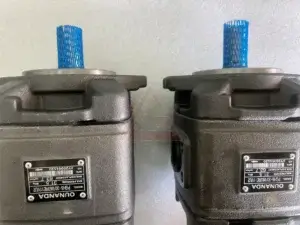
Gear pump are the most common type of hydraulic pump used in industrial and mobile applications. They are simple, reliable, and cost-effective. Gear pumps operate by using two meshing gears (external or internal) to trap fluid between the gear teeth and the pump housing. As the gears rotate, fluid is carried from the inlet to the outlet, where it is forced out under pressure.
External Gear Pumps: Have two identical gears rotating in opposite directions. They are widely used in construction, agriculture, and material handling.
Internal Gear Pumps: Use one larger gear with internal teeth and a smaller external gear. They offer quieter operation and better suction capabilities.
Gear pumps are fixed displacement, meaning they deliver a constant amount of flow per revolution. They are suitable for pressures up to 3,000 psi and are known for their durability and tolerance to contamination.
3. Vane Pumps
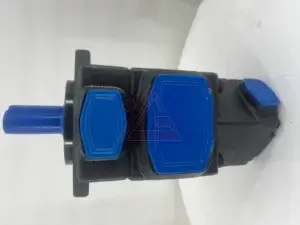
Vane pumps are another popular type of hydraulic pump, known for their quiet operation and good efficiency at moderate pressures. A vane pump consists of a rotor with sliding vanes that trap fluid between the vanes and the housing. As the rotor turns, the vanes slide in and out, creating expanding and contracting chambers that draw in and discharge fluid.
Vane pumps can be fixed or variable displacement. Fixed vane pumps are used in applications with constant flow requirements, while variable vane pumps adjust displacement to match system demand, reducing energy waste. They are commonly found in industrial machinery, machine tools, and automotive applications. The maximum pressure for vane pumps is typically around 2,500 psi.
4. Piston Pumps
Piston pump are the most versatile and efficient type of hydraulic pump, capable of handling the highest pressures – up to 6,000 psi or more. They use reciprocating pistons arranged in a cylinder block to displace fluid. Piston pumps can be fixed or variable displacement.
Axial Piston Pumps: Have pistons arranged parallel to the drive shaft. A swashplate or bent-axis design controls the piston stroke.
Radial Piston Pumps: Have pistons arranged radially around a central rotor. They are less common but offer very high pressure capabilities.
Piston pumps are used in heavy machinery, construction equipment, aerospace, and high-pressure industrial systems. They offer excellent efficiency, precise control, and long service life when properly maintained.
5. Screw Pumps
Screw pumps are a less common but highly specialized type of hydraulic pump. They use one or more screws to move fluid along the axis of the screws. Screw pumps are positive displacement pumps that provide smooth, pulsation-free flow. They are known for their quiet operation and ability to handle a wide range of fluids, including those with low lubricity.
Screw pumps are typically used in marine, oil and gas, and large industrial applications where continuous, reliable flow is required. They are not as common in mobile hydraulics due to their larger size and higher cost.
6. Fixed vs. Variable Displacement Pumps
An important distinction when selecting a hydraulic pump is whether it is fixed or variable displacement.
Fixed Displacement Pumps: Deliver a constant flow per revolution. They are simpler, less expensive, and used in applications where flow requirements are constant.
Variable Displacement Pumps: Can change output flow by adjusting displacement. They save energy by matching flow to demand and are used in systems with varying load requirements.
7. How to Choose the Right Hydraulic Pump
Selecting the right hydraulic pump for your application requires careful consideration of several factors:
Operating Pressure: Determine the maximum pressure your system will require.
Flow Rate: Calculate the flow needed to achieve desired actuator speeds.
Power Source: Match the pump to your prime mover (electric motor, engine, etc.).
Displacement Type: Decide between fixed or variable based on your load profile.
Efficiency: Consider both volumetric and mechanical efficiency.
Environmental Conditions: Account for temperature, contamination, and noise constraints.
8. Maintenance and Reliability
Proper maintenance is critical to ensure long life and reliable performance from any hydraulic pump. Key practices include:
Keeping hydraulic fluid clean and at the correct viscosity.
Monitoring fluid temperature and replacing filters regularly.
Inspecting seals and connections for leaks.
Listening for unusual noises that may indicate cavitation or wear.
Conclusion
Understanding what are types of hydraulic pumps is essential knowledge for anyone working with hydraulic systems. The main types include gear pump for simplicity and durability, vane pumps for quiet, medium-pressure applications, piston pump for high-pressure, high-efficiency needs, and screw pumps for smooth, continuous flow. By selecting the right hydraulic pump for your application and maintaining it properly, you can ensure reliable, efficient operation for years to come.