A Hydraulic Gear Pump is the heart of many hydraulic systems, providing the flow and pressure needed to power cylinders, motors, and other actuators. Proper maintenance of a Hydraulic Gear Pump is essential for ensuring long service life, reliable operation, and minimizing costly downtime. In this comprehensive guide, we will cover the key maintenance practices for a Hydraulic Gear Pump, including daily inspections, fluid management, seal replacement, and troubleshooting common issues.
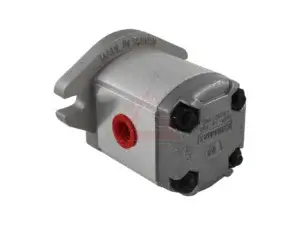
1. Daily Visual Inspections
The first step in maintaining any Hydraulic Gear Pump is performing regular visual inspections. Before starting your equipment each day, take a few minutes to examine the pump for any signs of trouble. Look for:
External leaks: Check around the pump housing, shaft seal, and fittings. Any oil seepage indicates a seal or connection issue that should be addressed immediately.
Cracks or damage: Inspect the pump housing for visible cracks or impact damage.
Loose mounting bolts: Ensure all fasteners are tight and secure.
Unusual discoloration: Overheating can cause the pump housing to change color, indicating a potential problem.
Early detection of these issues can prevent a minor problem from becoming a major failure. A well-maintained Hydraulic Gear Pump will have a clean, dry exterior with no signs of leakage or damage.
2. Monitor Hydraulic Fluid Condition
The hydraulic fluid is the lifeblood of any Hydraulic Gear Pump. Contaminated or degraded fluid is one of the leading causes of pump failure. To maintain your pump properly:
Check fluid level daily: Low fluid levels can cause cavitation, which damages internal components.
Inspect fluid color and clarity: Milky fluid indicates water contamination; dark or cloudy fluid suggests oxidation or contamination.
Take fluid samples regularly: For critical applications, schedule periodic oil analysis to detect wear metals, contamination, and fluid degradation.
Change fluid at recommended intervals: Follow the equipment manufacturer’s recommendations for fluid change intervals.
For a Hydraulic Gear Pump operating in harsh environments, more frequent fluid changes may be necessary. Always use the recommended fluid type and viscosity for your specific pump model.
3. Maintain Proper Filtration
Contamination is the enemy of every Hydraulic Gear Pump. Particles as small as 10 microns can cause wear on internal components, reducing efficiency and shortening pump life. To protect your pump:
Install return line filters: These capture contaminants before they return to the reservoir.
Use suction strainers: Protect the pump from large particles that could enter through the inlet.
Change filters regularly: Follow the manufacturer’s recommended filter change intervals.
Monitor filter indicators: Many filters have indicators that show when they need replacement.
A Hydraulic Gear Pump with clean fluid and proper filtration will typically last significantly longer than one operating in contaminated conditions.
4. Check and Maintain Fluid Temperature
Operating temperature has a significant impact on the performance and lifespan of a Hydraulic Gear Pump. Excessive heat can degrade seals, reduce fluid viscosity, and accelerate wear. To manage temperature:
Monitor operating temperature: Most hydraulic systems operate best between 100°F and 140°F (38°C to 60°C).
Check the cooling system: Ensure heat exchangers and coolers are functioning properly.
Avoid continuous operation at maximum pressure: This generates excessive heat.
Consider adding a cooling system: If your pump frequently operates at high temperatures, install an oil cooler.
An external gear pump may generate more heat than an internal gear pump due to its design, so temperature monitoring is especially important for this type.
5. Inspect and Replace Seals
Seals are critical components in any Hydraulic Gear Pump. They prevent internal and external leakage and maintain pressure. Over time, seals can wear, harden, or become damaged. To maintain your pump:
Inspect shaft seals: Check for signs of leakage around the drive shaft.
Check for seal extrusion: Seals that are pushed out of their grooves indicate excessive pressure.
Replace seals at recommended intervals: Even without visible leakage, seals should be replaced during scheduled maintenance.
Use genuine replacement parts: Always use seals from the original equipment manufacturer or a reputable supplier.
A Hydraulic Gear Pump with worn seals will experience reduced efficiency and may eventually fail catastrophically. Regular seal inspection is a simple but essential maintenance task.
6. Monitor for Unusual Noises
A properly operating Hydraulic Gear Pump should run with a consistent, smooth sound. Unusual noises are often the first warning sign of developing problems:
Whining or screeching: Often indicates cavitation, which can occur when the inlet is restricted or fluid is too viscous.
Knocking or banging: May indicate loose components, worn bearings, or mechanical damage.
Growling: Often associated with bearing wear or internal component damage.
If you hear unusual sounds from your Hydraulic Gear Pump, shut down the system and investigate immediately. Continuing to operate a pump with internal damage will only worsen the problem.
7. Check Inlet Conditions
The inlet side of a Hydraulic Gear Pump is often overlooked but is critical to pump health. Proper inlet conditions ensure adequate fluid supply and prevent cavitation:
Ensure suction lines are not restricted: Check for kinked or collapsed hoses.
Check for air leaks: Air entering the inlet can cause aeration and noisy operation.
Maintain adequate fluid level in the reservoir: Low fluid levels can cause vortexing and air entrainment.
Use proper inlet pipe size: Undersized piping restricts flow and can cause cavitation.
A high pressure gear pump requires particularly careful attention to inlet conditions, as cavitation can quickly damage high-pressure components.
8. Address Common Issues Promptly
Even with proper maintenance, issues can occasionally arise with a Hydraulic Gear Pump. Prompt action can prevent minor problems from becoming major failures:
Pressure drop: If the pump cannot maintain pressure, check for worn internal components, bypassing valves, or fluid contamination.
Excessive noise: Investigate the source immediately – it could indicate cavitation, bearing wear, or loose components.
Overheating: Check for fluid contamination, incorrect viscosity, or cooling system failure.
Slow operation: Inspect for inlet restrictions, worn components, or low fluid levels.
9. Keep Maintenance Records
Maintaining accurate records is an essential part of any maintenance program for a Hydraulic Gear Pump. Documentation helps you:
Track fluid changes: Know when the fluid was last changed and what type was used.
Monitor filter replacements: Track when filters were last replaced.
Record seal replacements: Document when seals were replaced and what type was used.
Identify patterns: Recurring issues may indicate a larger problem.
Conclusion
Proper maintenance of a Hydraulic Gear Pump is essential for maximizing service life, ensuring reliable operation, and minimizing downtime. Regular inspections, clean fluid, proper filtration, temperature management, and timely seal replacement are all key components of an effective maintenance program. Whether you use an external gear pump or an internal gear pump, following these guidelines will help keep your Hydraulic Gear Pump running efficiently for years to come.