A Hydraulic Valve is a critical component in any hydraulic system, serving as the control center that directs, regulates, and manages the flow of hydraulic fluid. Without a Hydraulic Valve, hydraulic systems would be unable to perform the precise movements and force applications required in modern machinery. In this comprehensive guide, we will explore what a Hydraulic Valve is, how it works, the different types available, and its essential role in hydraulic systems. Understanding the function of a Hydraulic Valve is fundamental for anyone involved in hydraulic system design, maintenance, or operation.
1. What Is a Hydraulic Valve? Basic Definition
A Hydraulic Valve is a mechanical device that controls the flow, pressure, and direction of hydraulic fluid within a hydraulic system. It is essentially the brain of the system, directing fluid to actuators such as cylinders and motors to perform specific tasks. A Hydraulic Valve can start, stop, or regulate fluid flow, control pressure levels, and determine the direction of fluid movement. By doing so, a Hydraulic Valve enables precise control over the speed, force, and position of hydraulic actuators. Without a Hydraulic Valve, the fluid would simply circulate without performing useful work, making it an indispensable component in any hydraulic circuit.

2. How Does a Hydraulic Valve Work?
Understanding how a Hydraulic Valve works requires a basic knowledge of hydraulic principles. A Hydraulic Valve operates by creating restrictions or openings in the fluid path. When the valve spool or poppet is moved, it changes the flow path of the hydraulic fluid. This movement can be controlled manually, mechanically, electrically, or hydraulically. For example, when a directional control valve is actuated, it shifts the spool position, directing fluid to one side of a cylinder while allowing fluid from the other side to return to the reservoir. This movement causes the cylinder to extend or retract. Similarly, a pressure relief valve opens when system pressure exceeds a preset limit, allowing excess fluid to bypass and protecting the system from overpressure. The precise operation of a Hydraulic Valve is what allows hydraulic systems to perform heavy work with remarkable accuracy.
3. Types of Hydraulic Valves
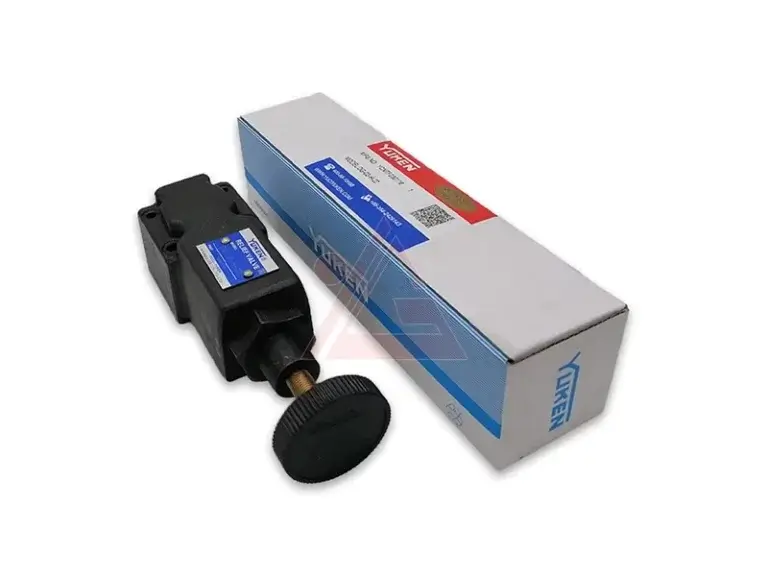
There are three main categories of Hydraulic Valve: directional control valves, pressure control valves, and flow control valves. Each category serves a specific function within a hydraulic system.
Directional Control Valves
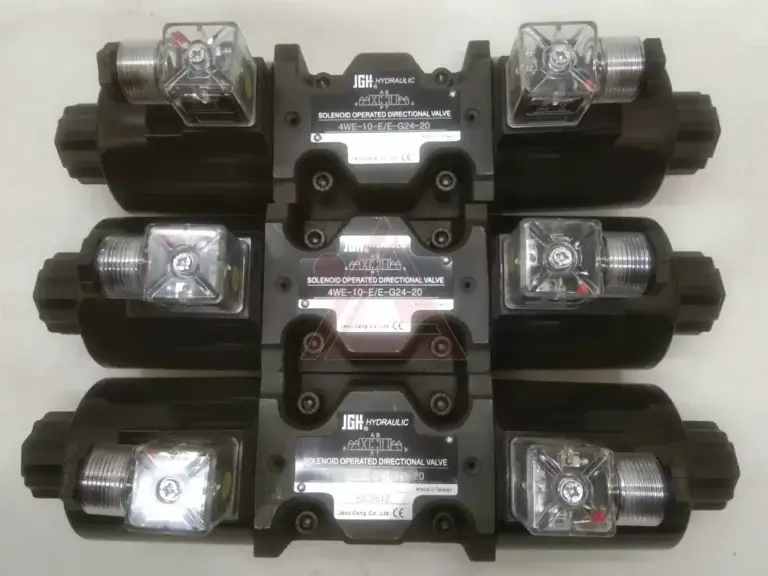
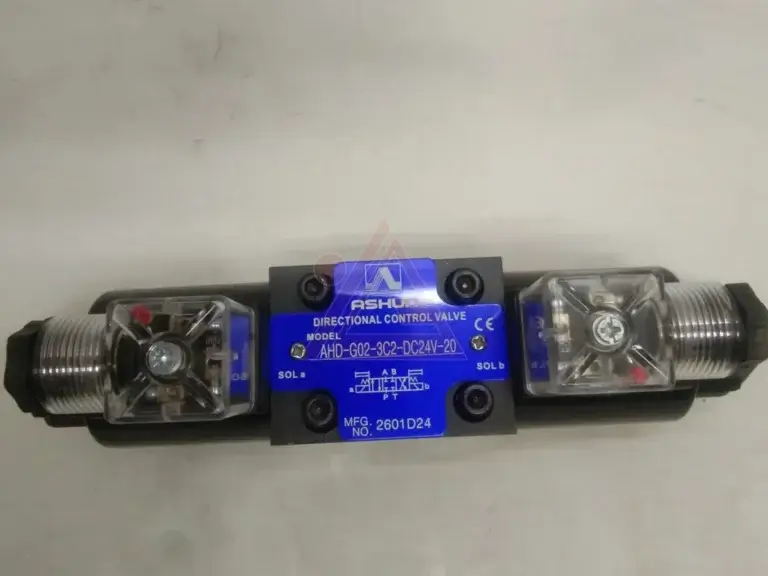
A directional control valve is the most common type of Hydraulic Valve. It manages the path of hydraulic fluid, determining which actuator receives fluid and in which direction. These valves are used to start, stop, and change the direction of fluid flow. Common configurations include 2-way, 3-way, and 4-way valves, with the 4-way valve being the most prevalent in industrial applications.

Pressure Control Valves
A pressure control valve is a type of Hydraulic Valve that regulates the pressure within the system. Pressure relief valves, pressure reducing valves, and sequence valves all fall into this category. The most common is the pressure relief valve, which protects the system from overpressure by diverting excess fluid back to the reservoir.
Flow Control Valves
A flow control valve is a Hydraulic Valve that regulates the rate of fluid flow. By controlling flow, these valves determine the speed of actuators. Flow control valves can be fixed or adjustable, with adjustable types allowing precise speed control for different operating conditions.
4. Key Components of a Hydraulic Valve
A typical Hydraulic Valve consists of several key components:
Valve Body: The outer housing that contains the internal components and provides connection points for hydraulic lines.
Spool or Poppet: The moving element that opens, closes, or partially obstructs flow paths.
Actuator Mechanism: The device that moves the spool – can be manual, solenoid-operated, pneumatic, or hydraulic.
Spring: Often used to return the spool to its neutral position.
Seals: Prevent internal and external leakage.
5. The Role of Hydraulic Valves in System Control
The Hydraulic Valve plays a central role in hydraulic system control. By directing fluid flow, a Hydraulic Valve allows operators to control the sequence of operations in a machine. For example, in a hydraulic press, a directional control valve directs fluid to the main cylinder for pressing and then redirects fluid to return the cylinder to its starting position. A pressure relief valve ensures the press does not exceed its maximum pressure setting, protecting both the machine and the operator.
6. Common Applications of Hydraulic Valves
The Hydraulic Valve is used across virtually every industry that relies on hydraulic power:
Construction Equipment: Excavators, loaders, and bulldozers use multiple valves to control boom, bucket, and steering functions.
Manufacturing: Hydraulic presses, injection molding machines, and machine tools rely on valves for precise motion control.
Agricultural Machinery: Tractors and harvesters use valves for implement control and steering.
Mobile Equipment: Forklifts and aerial work platforms use valves for lifting and positioning.
Oil and Gas: Valves control subsea systems and pipeline operations.
7. How to Select the Right Hydraulic Valve
Choosing the correct Hydraulic Valve for your application requires consideration of several factors:
Flow Rate: Determine the maximum flow the valve must handle.
Pressure Rating: The valve must be rated for the system’s maximum operating pressure.
Valve Type: Identify whether directional, pressure, or flow control is needed.
Actuation Method: Manual, solenoid, pneumatic, or hydraulic actuation.
Mounting Configuration: Subplate mounting, threaded, or cartridge style.
8. Maintenance Tips for Hydraulic Valves
Proper maintenance of a Hydraulic Valve is essential for reliable operation:
Keep Fluid Clean: Contamination is the leading cause of valve failure.
Check for Leaks: Inspect valve body and connections regularly.
Monitor Temperature: Excessive heat can damage seals and degrade performance.
Inspect Actuators: Ensure solenoids and manual operators are functioning properly.
Conclusion
A Hydraulic Valve is the control center of any hydraulic system, directing fluid flow, regulating pressure, and controlling actuator speed and direction. Whether you need a directional control valve, a pressure relief valve, or a flow control valve, understanding the function of a Hydraulic Valve is essential for designing, operating, and maintaining hydraulic systems. By selecting the right valve and maintaining it properly, you can ensure reliable, efficient, and long-lasting hydraulic system performance.