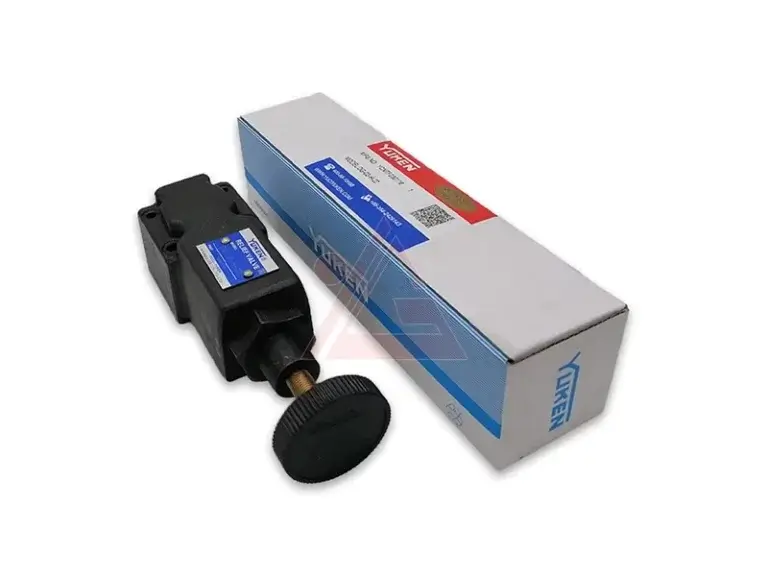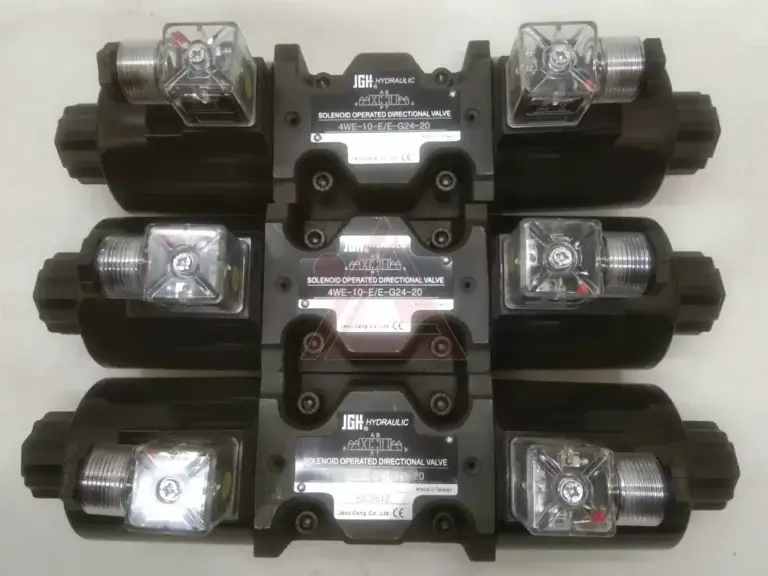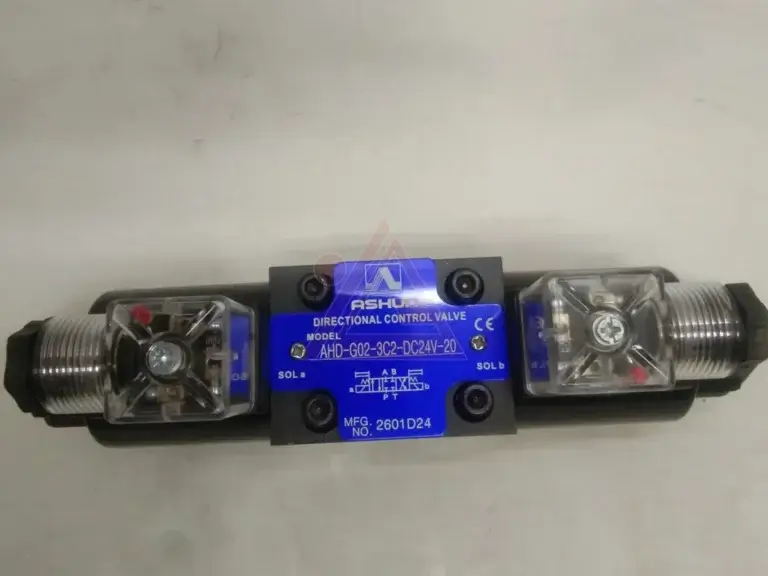
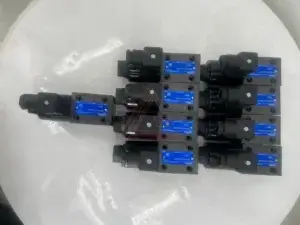
A Hydraulic Valve is the control center of any hydraulic system, directing flow, regulating pressure, and managing actuator speed. When a Hydraulic Valve malfunctions, the entire system can suffer from poor performance, erratic operation, or complete failure. Understanding how to troubleshoot common Hydraulic Valve failures is an essential skill for maintenance technicians, engineers, and equipment operators. In this comprehensive guide, we will explore the most frequent Hydraulic Valve failure modes, their root causes, diagnostic techniques, and practical solutions to restore system performance.
1. Understanding the Importance of Hydraulic Valve Troubleshooting
Before diving into specific failures, it is important to understand why troubleshooting a Hydraulic Valve requires a systematic approach. A Hydraulic Valve failure can manifest in many ways: slow cylinder operation, overheating, pressure loss, erratic movement, or complete system shutdown. These symptoms are often caused by contamination, wear, incorrect installation, or inadequate maintenance. By following a structured troubleshooting process, you can quickly identify the root cause and minimize downtime. Proper Hydraulic Valve maintenance not only extends component life but also improves overall system efficiency and safety.
2. Common Symptoms of Hydraulic Valve Failure
Recognizing the symptoms of a failing Hydraulic Valve is the first step in troubleshooting. Common symptoms include:
Erratic Cylinder Movement: If cylinders move unevenly or jerk, the Hydraulic Valve may have a sticking spool or internal leakage.
Slow Actuator Speed: Reduced speed often indicates a partially blocked or worn Hydraulic Valve.
Overheating System: Excessive heat generation can result from internal leakage in a Hydraulic Valve.
Pressure Loss: A drop in system pressure may indicate a bypassing Hydraulic Valve.
Unusual Noise: Whining or squealing sounds often point to a Hydraulic Valve issue.
Cylinder Drift: If a cylinder slowly moves when the Hydraulic Valve is in neutral, there is likely internal leakage.
3. Safety Precautions Before Troubleshooting
Before inspecting any Hydraulic Valve, follow these critical safety steps:
Relieve System Pressure: Always depressurize the system completely before disconnecting any fittings or removing a Hydraulic Valve.
Lock Out/Tag Out: Follow proper lockout/tagout procedures to prevent accidental system startup.
Wear PPE: Use safety glasses, gloves, and protective clothing to guard against high-pressure fluid injection hazards.
Contain Fluid: Have absorbent materials and drip pans ready to capture any spilled hydraulic fluid.
4. Tools Needed for Hydraulic Valve Troubleshooting
To properly diagnose a Hydraulic Valve, you will need:
Pressure Gauge: For measuring system and valve port pressures.
Flow Meter: To measure flow rates through the Hydraulic Valve.
Temperature Gun: For detecting hot spots indicating internal leakage.
Multimeter: For testing solenoid coils and electrical connections.
Manual Tools: Wrenches, hex keys, and screwdrivers for disassembly.
Cleaning Supplies: Lint-free cloths and appropriate cleaning solvents.
5. Failure Mode: Sticking Valve Spool
A sticking spool is one of the most common Hydraulic Valve problems. The spool may stick due to contamination, varnish buildup, or mechanical damage.
Symptoms
Erratic or jerky cylinder movement
Delayed valve response
Hydraulic Valve fails to shift completely
Diagnostic Steps
1.Check the Hydraulic Valve for smooth manual operation.
2.Measure pilot pressure (if applicable) to ensure adequate shifting force.
3.Inspect solenoid valves for proper electrical signals.
4.Check fluid condition for signs of contamination or degradation.
Solutions
Flush the Hydraulic Valve with clean fluid to remove debris.
Disassemble and clean the spool and valve body using appropriate solvents.
Replace the Hydraulic Valve if scoring or excessive wear is found.
Improve filtration to prevent future contamination.
6. Failure Mode: Internal and External Leakage
Leakage is a frequent Hydraulic Valve problem. Internal leakage reduces efficiency and causes overheating. External leakage creates safety hazards and fluid loss.
Symptoms
Cylinder drift when the Hydraulic Valve is centered
System overheating
Visible oil around the Hydraulic Valve body
Pressure drop in the system
Diagnostic Steps
1.Test the Hydraulic Valve using a flow meter to measure internal leakage.
2.Inspect the Hydraulic Valve body and fittings for external oil seepage.
3.Check seal condition and spool-to-bore clearance.
4.Measure temperature differences across the Hydraulic Valve – hot spots indicate internal bypass.
Solutions
Replace worn seals and O-rings in the Hydraulic Valve.
Rebuild the Hydraulic Valve with new spool and sleeve assemblies if necessary.
Tighten loose fittings or replace damaged tubing.
For severe wear, replace the entire Hydraulic Valve.
7. Failure Mode: High Pressure Drop
Excessive pressure drop across a Hydraulic Valve limits actuator force and speed, reducing overall system performance.
Symptoms
Reduced cylinder force and speed
System overheating due to energy loss
Higher than normal operating pressures upstream of the Hydraulic Valve
Diagnostic Steps
1.Measure pressure at the inlet and outlet of the Hydraulic Valve.
2.Compare pressure drop to the valve’s published specifications.
3.Inspect the Hydraulic Valve for partial blockages or debris.
4.Check if the Hydraulic Valve is undersized for the application.
Solutions
Clean or replace the Hydraulic Valve if debris is found.
Verify that the Hydraulic Valve is properly sized for the system flow.
Replace worn internal components that may be restricting flow.
8. Failure Mode: Solenoid and Electrical Issues
For solenoid-operated valves, electrical problems are a common Hydraulic Valve failure point.
Symptoms
Hydraulic Valve does not shift when energized
Intermittent valve operation
Coil is hot to the touch
Diagnostic Steps
1,Check voltage at the solenoid coil (should match the rating).
2,Measure coil resistance – an open or short indicates a bad coil.
3,Inspect connectors and wiring for damage or corrosion.
4,Test the solenoid by manually overriding the Hydraulic Valve.
Solutions
Replace the solenoid coil if defective.
Repair or replace damaged wiring and connectors.
Ensure the controller is providing the correct signal.
9. Failure Mode: Contamination-Related Failures
Contamination is the leading cause of Hydraulic Valve failure. Particles wear internal components and cause valves to stick or leak.
Symptoms
Intermittent Hydraulic Valve operation
Reduced system efficiency
Frequent seal failures in the Hydraulic Valve
Diagnostic Steps
1.Take a fluid sample for analysis (ISO particle count).
2.Inspect the Hydraulic Valve for visible wear or debris.
3.Check filter condition and change intervals.
Solutions
Change hydraulic fluid and filters.
Install finer filtration if contamination levels are high.
Rebuild the Hydraulic Valve with new seals and wear components.
10. Preventative Maintenance for Hydraulic Valves
Preventing failures is better than troubleshooting them. Regular maintenance of your Hydraulic Valve includes:
Keep Fluid Clean: Maintain proper filtration and change filters regularly.
Monitor Fluid Temperature: Keep operating temperatures within recommended ranges.
Inspect Regularly: Check for leaks, unusual noise, and proper operation of every Hydraulic Valve.
Test Pressure Settings: Verify pressure relief valve and pressure reducing valve settings periodically.
Schedule Rebuilds: Rebuild critical Hydraulic Valves before they fail.
Conclusion
Troubleshooting a Hydraulic Valve requires a systematic approach to identify the root cause of failure. Whether the problem is a sticking spool, internal leakage, high pressure drop, solenoid failure, or contamination, understanding the symptoms, diagnostic steps, and solutions will help you restore system performance quickly. By implementing preventative maintenance practices, you can extend the life of every Hydraulic Valve in your system and minimize costly downtime.