Selecting the correct Hydraulic Valve for your cylinder system is one of the most critical decisions in hydraulic system design. The right Hydraulic Valve ensures precise cylinder control, optimal performance, energy efficiency, and long system life. The wrong choice can lead to sluggish operation, overheating, component damage, or complete system failure. In this comprehensive guide, we will walk you through the step-by-step process of choosing the right Hydraulic Valve for your specific cylinder application. Whether you are designing a new system or upgrading an existing one, understanding the selection criteria will help you make an informed decision.
1. Understand Your Cylinder System Requirements
Before you can select a Hydraulic Valve, you must fully understand your cylinder system’s operational requirements. This is the foundation of proper valve selection.
Cylinder Type and Configuration
First, identify whether your system uses single-acting or double-acting cylinders. A single-acting cylinder requires a Hydraulic Valve that can direct fluid to the cylinder for extension and allow fluid to exhaust during retraction. A double-acting cylinder needs a Hydraulic Valve that can direct fluid to either side of the piston while allowing the opposite side to exhaust. This fundamental difference determines whether you need a 3-way or 4-way valve configuration. A direction control valve is the most common choice for cylinder control.
Operating Pressure Requirements
The Hydraulic Valve you select must be rated for your system’s maximum operating pressure. Determine the highest pressure your system will encounter, including pressure spikes. Always select a valve with a pressure rating at least 15-20% higher than your maximum working pressure to provide a safety margin. A pressure relief valve should also be incorporated into the system to protect against overpressure conditions.
Flow Rate Requirements
The flow rate through the Hydraulic Valve determines cylinder speed. Calculate the flow required to achieve your desired cylinder extension and retraction speeds. The formula for flow rate is: Flow Rate = Piston Area × Velocity. Ensure the valve’s rated flow capacity meets or exceeds this calculated value. Undersized valves create excessive pressure drops, generate heat, and reduce efficiency.
2. Determine the Valve Function
Different functions require different types of Hydraulic Valve. Identify exactly what you need the valve to do in your cylinder system.
Directional Control
If you need to start, stop, or change the direction of fluid flow to your cylinder, you need a direction control valve. These Hydraulic Valve types are available in 2-way, 3-way, and 4-way configurations. For most cylinder applications, a 4-way valve is required to control double-acting cylinders effectively. The direction control valve allows you to extend, retract, and stop the cylinder at any position.
Pressure Control
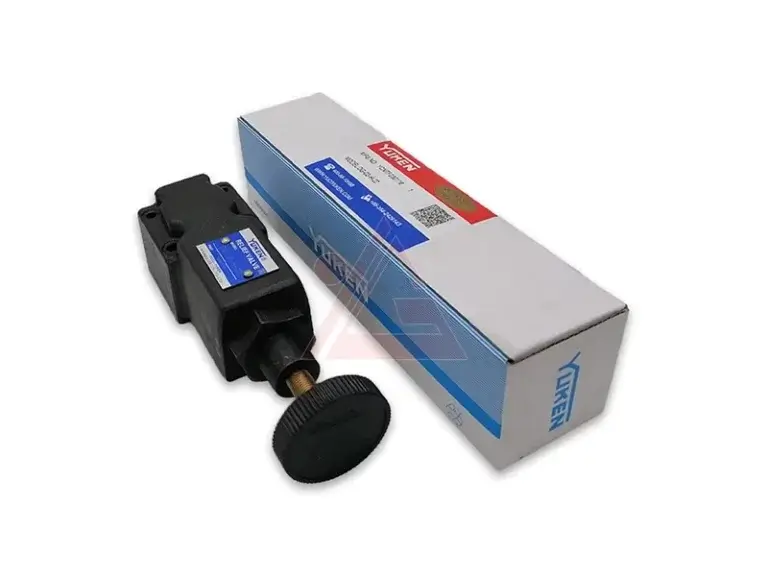
If you need to limit, reduce, or maintain pressure in your cylinder circuit, you need a pressure control valve. A pressure relief valve protects the system from overpressure. A pressure reducing valve supplies a lower pressure to a sub-circuit. A counterbalance valve controls load-induced motion in cylinders. Each serves a different purpose in cylinder control.
Flow Control
If you need to adjust the speed of your cylinder, you need a flow control valve. A flow control valve regulates the rate of fluid entering or leaving the cylinder, directly controlling extension and retraction speeds. Meter-in and meter-out configurations provide different control characteristics depending on the application.
3. Select the Valve Type
Based on the function you identified, choose the appropriate Hydraulic Valve type for your cylinder system.
Directional Control Valves
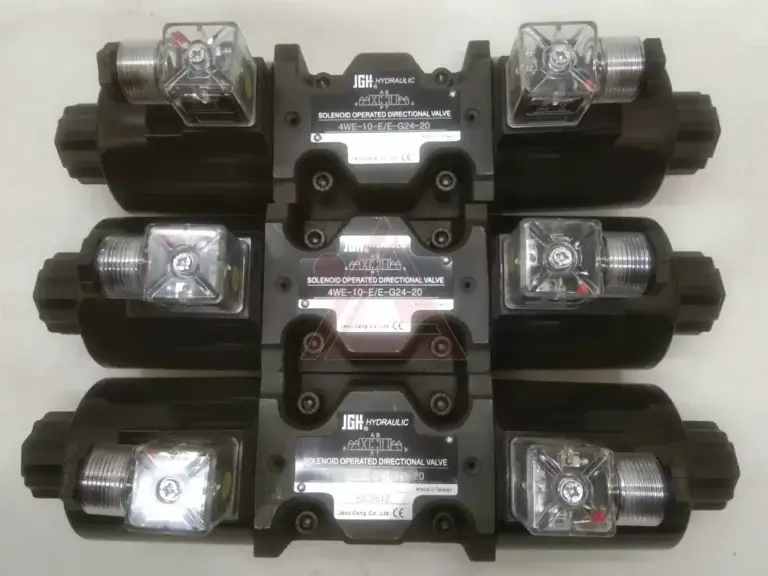
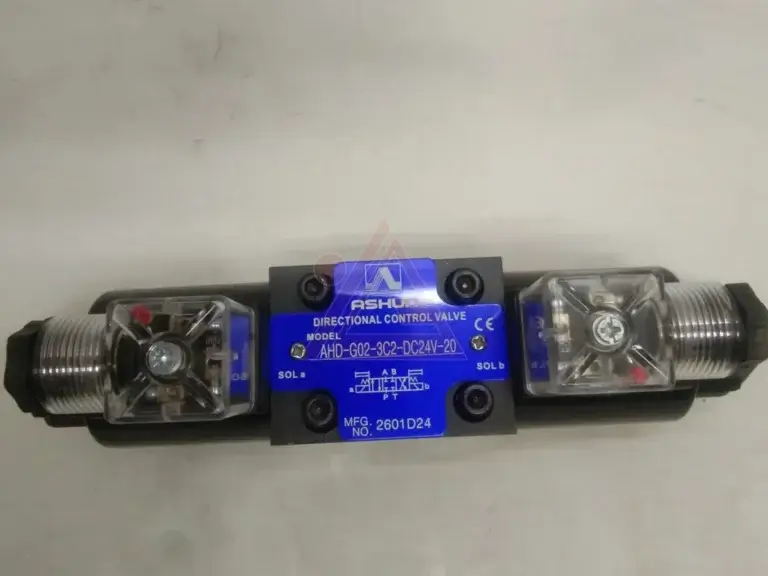
Direction control valve types include spool valves and poppet valves. Spool valves are the most common for cylinder applications, offering smooth shifting and good flow characteristics. They are available in 3-way and 4-way configurations. Poppet valves provide excellent sealing and are often used in applications requiring zero leakage. For manual operation, a direction control valve with a lever or handle is common. For automated systems, solenoid-operated valves are preferred.

Pressure Control Valves
Pressure relief valve selection depends on system flow and pressure requirements. Direct-acting relief valves are simple and responsive, suitable for smaller flows. Pilot-operated relief valves handle larger flows and provide more stable pressure control. For cylinder applications with overrunning loads, a counterbalance valve is essential to prevent uncontrolled load descent.
Flow Control Valves
Flow control valve selection involves choosing between fixed and adjustable types. Fixed flow control valves maintain constant speed regardless of load changes. Adjustable flow control valves allow speed adjustment to match varying operating conditions. For precise cylinder speed control, a flow control valve with pressure compensation maintains consistent speed despite pressure variations.
4. Choose the Actuation Method
The actuation method determines how the Hydraulic Valve is operated.
Manual Actuation
Manual valves use levers, handles, or knobs for operation. They are simple, cost-effective, and reliable. A manually operated direction control valve is suitable for applications where the operator is physically present and needs direct control over cylinder movement.
Solenoid Actuation
Solenoid-operated valves use electrical signals to shift the valve spool. They are ideal for automated systems, remote control, and applications requiring fast response times. A solenoid-operated direction control valve can be controlled by PLC, limit switches, or push buttons, enabling automated cylinder sequencing.
Pilot Actuation
Pilot-operated valves use hydraulic pressure to shift the valve. They are used in high-flow applications where solenoid forces are insufficient. Pilot-operated direction control valve configurations are common in large industrial systems.
Proportional Actuation
Proportional valves provide variable control of flow and pressure based on an electrical input signal. A proportional valve allows smooth, gradual cylinder acceleration and deceleration, reducing shock loads and improving positioning accuracy. They are ideal for applications requiring precise speed and position control.
5. Consider Valve Performance Characteristics
The performance characteristics of a Hydraulic Valve significantly impact cylinder system operation.
Pressure Drop
Every Hydraulic Valve creates some pressure drop as fluid flows through it. Lower pressure drop means less energy loss and less heat generation. Select a valve with a pressure drop that is acceptable for your system. For high-flow applications, a flow control valve with larger internal passages minimizes pressure drop.
Leakage Rate
Internal leakage in a Hydraulic Valve can cause cylinder drift and reduce efficiency. Spool valves typically have some internal clearance, resulting in minimal leakage. Poppet valves offer zero-leakage sealing, making them ideal for load-holding applications. For applications requiring cylinder position holding, a direction control valve with low leakage characteristics is essential.
Response Time
The time it takes for a Hydraulic Valve to shift from one position to another affects system responsiveness. Solenoid valves generally have faster response times than manual or pilot-operated valves. For high-speed cylinder applications, select a valve with rapid response characteristics.
6. Evaluate Mounting and Porting Options
The Hydraulic Valve must physically fit into your system.
Subplate Mounting
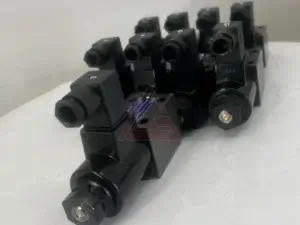
Subplate-mounted valves are bolted to a subplate that contains the port connections. This is the most common mounting method for industrial Hydraulic Valve applications. Subplate mounting allows easy valve replacement without disturbing piping.
Threaded Connections
Threaded valves have ports that accept pipe fittings or adapters. They are commonly used in mobile equipment and smaller systems where space is limited. Threaded direction control valve configurations are compact and straightforward.
Cartridge Valves
Cartridge valves are inserted into a cavity in a manifold block. They offer compact, space-saving installation and are widely used in mobile and industrial applications. Cartridge direction control valve designs are highly versatile and can be combined to create complex control circuits.
7. Consider the Operating Environment
The operating environment affects Hydraulic Valve selection.
Temperature Range
Ensure the valve’s seals and materials are compatible with your system’s operating temperature range. High-temperature applications may require special seal materials such as Viton. Low-temperature applications may need special fluids and seals to maintain proper operation.
Contamination Resistance
Hydraulic valves are sensitive to contamination. Select valves with appropriate filtration requirements for your system. A direction control valve with tight clearances requires cleaner fluid than a valve with larger internal clearances.
Corrosion Resistance
For applications in corrosive environments, such as marine or chemical processing, select valves with corrosion-resistant materials. Stainless steel valves or those with special coatings provide protection against rust and chemical attack.
8. Review Valve and Cylinder Compatibility
The Hydraulic Valve must be properly matched to the cylinder.
Valve Flow Capacity
The valve’s flow capacity must match the cylinder’s flow requirements. An undersized Hydraulic Valve restricts flow, resulting in slow cylinder operation and excessive heat generation. An oversized valve adds unnecessary cost without performance benefits.
Pressure Rating Compatibility
The Hydraulic Valve pressure rating must be equal to or greater than the cylinder’s maximum operating pressure. Valve pressure ratings typically exceed cylinder pressure ratings, providing an extra margin of safety.
9. Consider Future Needs and Scalability
When selecting a Hydraulic Valve, consider future system modifications or expansions.
Modular Valves
Modular Hydraulic Valve designs allow adding additional functions without replacing the entire valve. Modular valves can be stacked together, enabling easy system expansion. A direction control valve with modular design offers flexibility for future upgrades.
Spare Parts Availability
Choose valves from manufacturers with good spare parts availability and technical support. Common Hydraulic Valve types from major manufacturers are easier to maintain and repair.
Conclusion
Choosing the right Hydraulic Valve for your cylinder system requires careful consideration of cylinder type, operating pressure, flow rate, valve function, actuation method, performance characteristics, mounting options, environment, and compatibility. Whether you need a direction control valve, a pressure relief valve, or a flow control valve, understanding these selection criteria ensures optimal cylinder performance, energy efficiency, and long system life. By following this comprehensive guide, you can confidently select the correct Hydraulic Valve for your specific application, ensuring reliable operation and minimal downtime.