A hydraulic cylinder is often treated like a simple workhorse component, yet it operates in an environment where pressure, force, and movement can become dangerous very quickly. In many systems, the cylinder is not the first part to fail, but it is often the part that makes a hidden problem visible. A small seal leak, a slight mounting misalignment, or a contaminated fluid sample can quietly turn into a much larger safety issue.
That is why hydraulic cylinder safety is best approached as a full lifecycle discipline. Installation, operation, and maintenance all matter. Skip one, and the others usually suffer. The good news is that a well-selected and properly maintained cylinder tends to behave predictably, last longer, and create fewer surprises on the shop floor or in the field.
Why Hydraulic Cylinder Safety Matters More Than Many Teams Realize
Hydraulic systems are valued because they generate large amounts of force in a compact package. That same advantage also creates risk. Stored energy, pressurized fluid, and moving loads can create sudden and serious hazards if something goes wrong. Even when a failure seems minor, the consequences can spread fast: downtime, damaged equipment, fluid contamination, or injury during service.
From an operational standpoint, safety and reliability usually move together. A cylinder that runs too hot, works out of alignment, or suffers from repeated pressure spikes rarely stays safe for long. Over time, those conditions wear seals, score rods, and stress mounts.
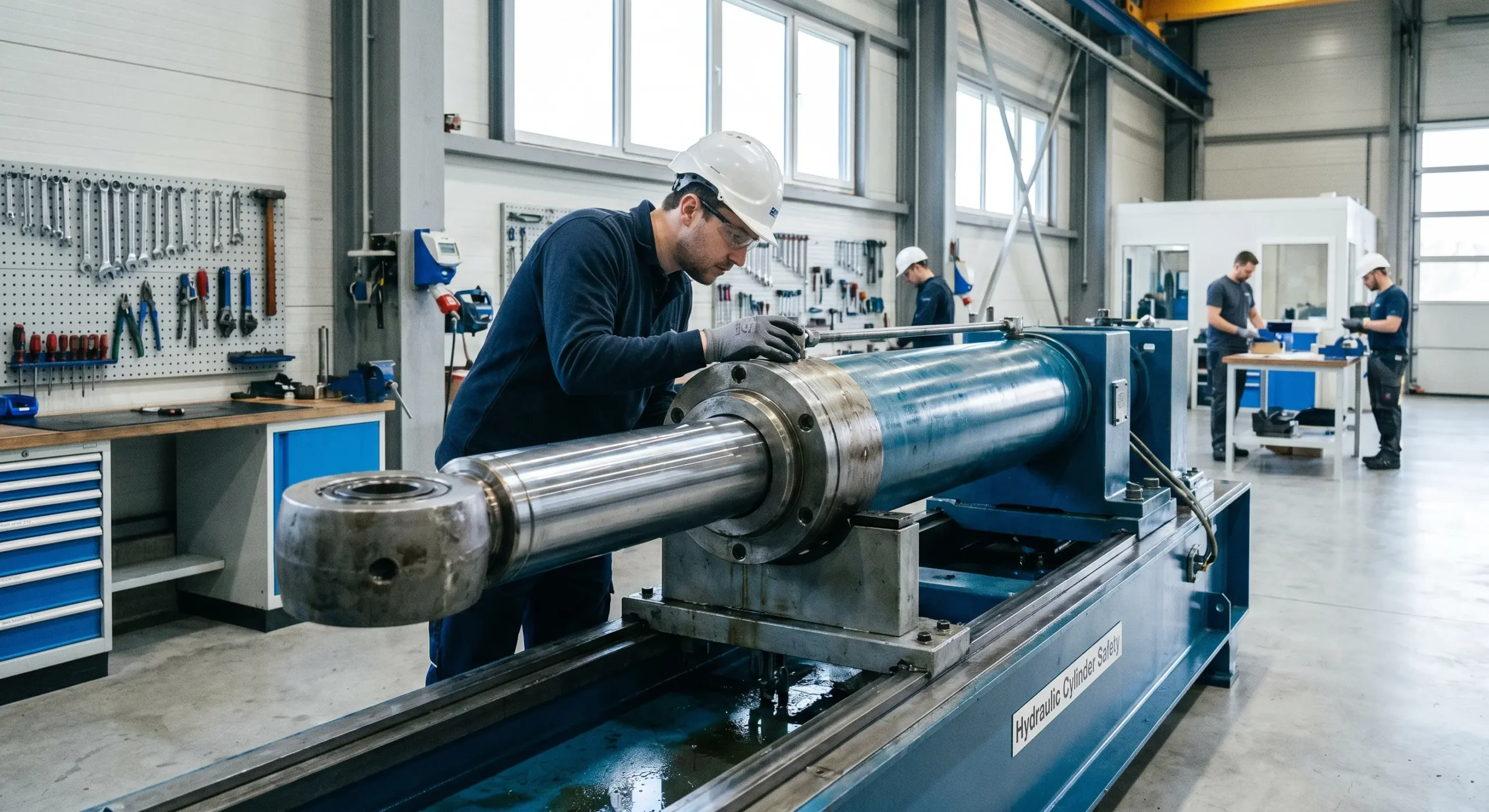
Common consequences of poor safety practices
– Seal blowout and external leakage
– Rod bending or surface damage
– Side loading and premature wear
– Hose or fitting failure
– Unplanned machine stoppage
– Injury during inspection or repair
In many cases, the first warning sign is not dramatic. It is usually subtle: a slightly slower stroke, a damp fitting, or a machine that no longer holds position as well as it did last month.
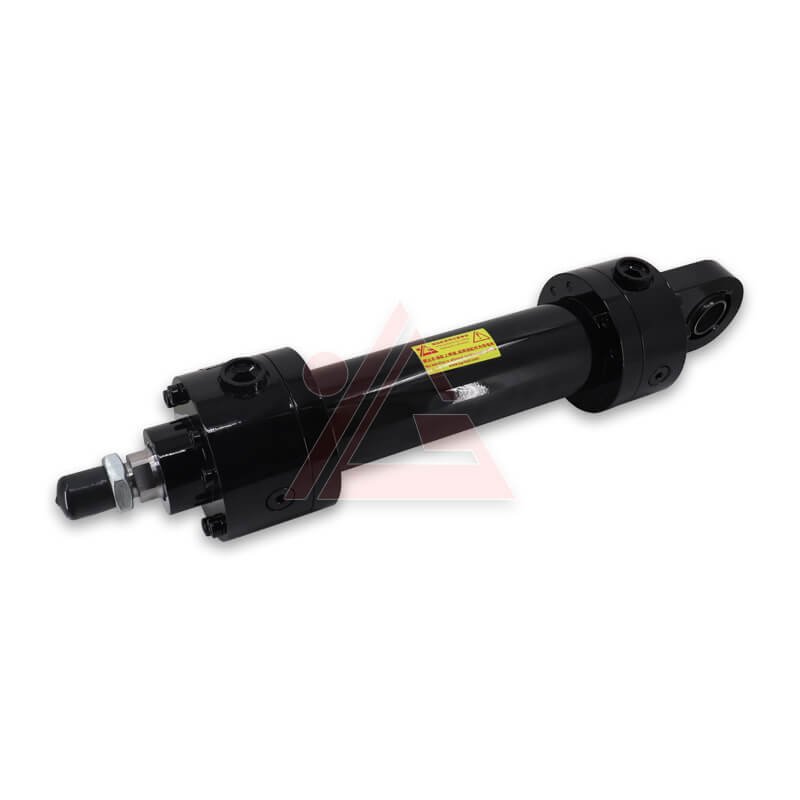
For standard applications, a standard hydraulic cylinder may be enough, but only if the system conditions stay within the rated design envelope. Once loads, duty cycles, or environmental conditions become more demanding, the selection decision matters even more.
Choosing the Right Cylinder for the Application
Safety begins before the cylinder is installed. A cylinder that is undersized, overextended, or mismatched to the mounting geometry will usually work harder than intended. That extra strain becomes heat, wear, and risk.
The most important selection factors usually include:
– Working pressure
– Stroke length
– Bore size
– Mounting style
– Load direction
– Cycle frequency
– Environmental exposure
– Required speed and control precision
A cylinder that fits the application properly tends to move cleanly and resist excessive stress. A poor fit can lead to side loading, uneven seal wear, and fatigue in the rod or mounting points.
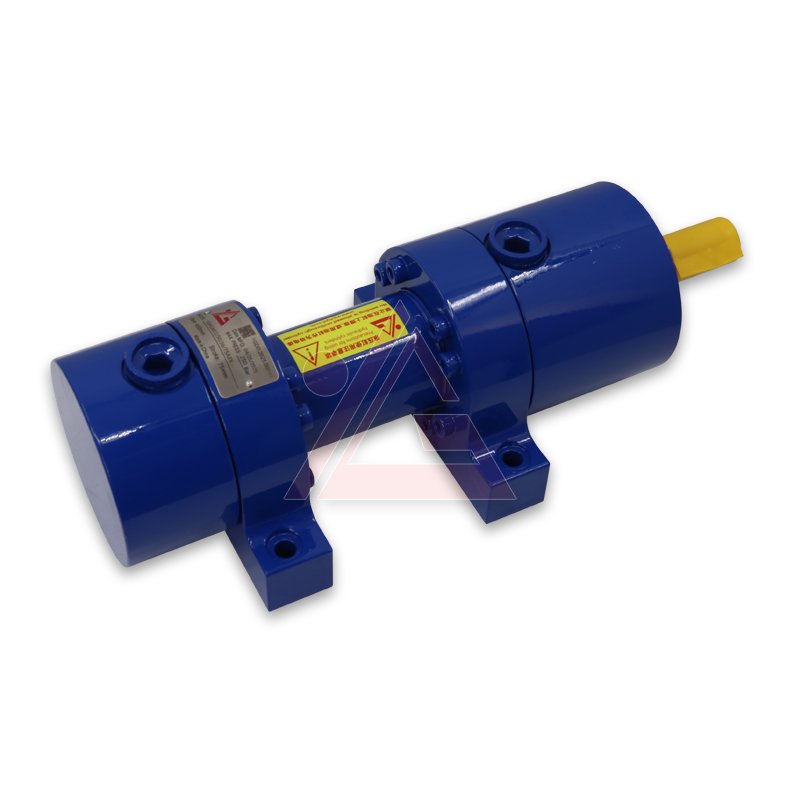
When standard designs are enough
Standard models are often suitable for general-purpose industrial machines, agricultural equipment, and light to moderate-duty mobile systems. When the operating environment is stable and the load profile is predictable, a standard build can be reliable and cost-effective.
When heavy-duty builds make more sense
More demanding applications often justify a stronger design. High-cycle equipment, shock loads, abrasive environments, and long duty periods are all good reasons to consider a heavy duty hydraulic cylinder. In practice, heavy-duty construction is not just about brute strength; it is about durability under repeated stress.
For specialized machines, an Engineering Hydraulic Cylinder may be a better fit when mounting, stroke, or control requirements are more exacting than usual. And when the operating environment is unusual enough that standard dimensions or features no longer work well, custom hydraulic cylinders can help reduce risk by matching the system more closely.
Safe Installation Practices for Hydraulic Cylinders
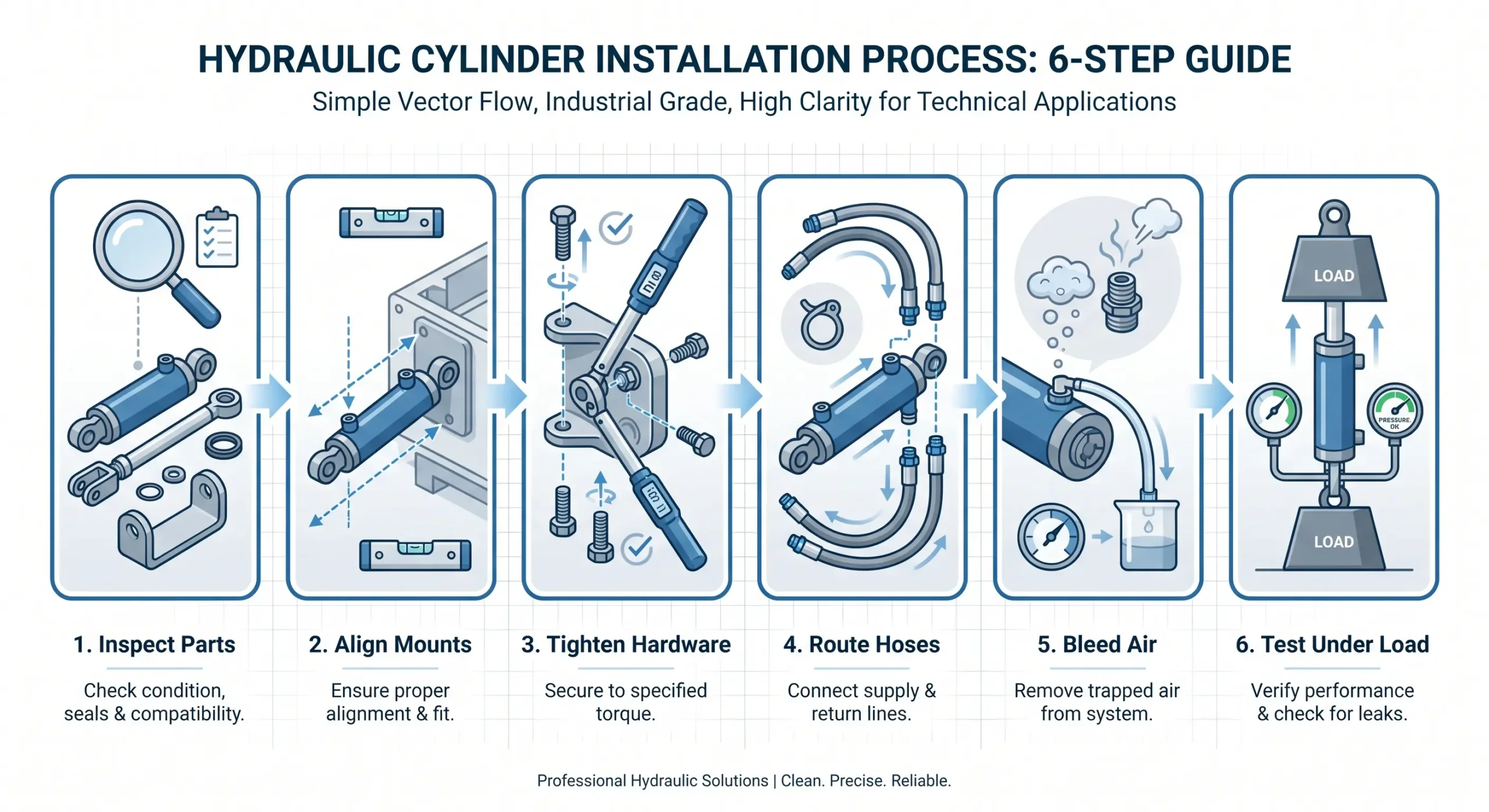
Installation quality has an outsized effect on safety. A cylinder can be perfectly designed and still fail early if it is mounted with strain, contamination, or poor alignment. That is one reason installation should never feel rushed.
Installation checklist
- Verify the pressure rating and stroke length against the application.
- Inspect the rod, ports, seals, and mounting hardware before installation.
- Confirm that pins, clevises, trunnions, or brackets align correctly.
- Make sure all mating surfaces are clean and free from burrs.
- Torque fasteners to the manufacturer’s specification.
- Route hoses so they do not twist, kink, or rub under movement.
- Bleed air from the system before full-load operation.
- Run the cylinder at low load first and observe movement carefully.
Common installation mistakes to avoid
– Side loading caused by poor alignment
– Using the wrong pin size or loose hardware
– Allowing dirt into open ports during assembly
– Over-tightening fittings and damaging threads
– Ignoring the manufacturer’s installation tolerances
– Mounting the cylinder so it operates near the edge of its stroke repeatedly
That last point is easy to overlook. When a hydraulic cylinder is asked to work at or beyond ideal geometry, wear accelerates even if the machine appears to run normally at first.
Quick installation risk table
| Installation issue | Likely result | Safety concern | Practical fix |
|---|---|---|---|
| Misaligned mounts | Side loading | Rod and seal damage | Realign brackets and pins |
| Dirty lines | Contamination | Internal wear and valve issues | Flush and cap all openings |
| Loose fasteners | Movement under load | Sudden instability | Torque to specification |
| Twisted hoses | Restricted flow | Heat and pressure spikes | Re-route hose assembly |
| Overstroke | Bottoming out | Shock damage | Verify stroke limits |
Operating a Hydraulic Cylinder Safely
Even a well-installed system can become hazardous if it is operated outside its intended range. Pressure, temperature, load, and cycle timing all interact. The operator may not see the internal strain, but the cylinder usually feels it.
The safest systems tend to have clear operating limits and a culture that respects them. That includes not bypassing controls, not pushing pressure higher “just to get through the shift,” and not ignoring abnormal motion.
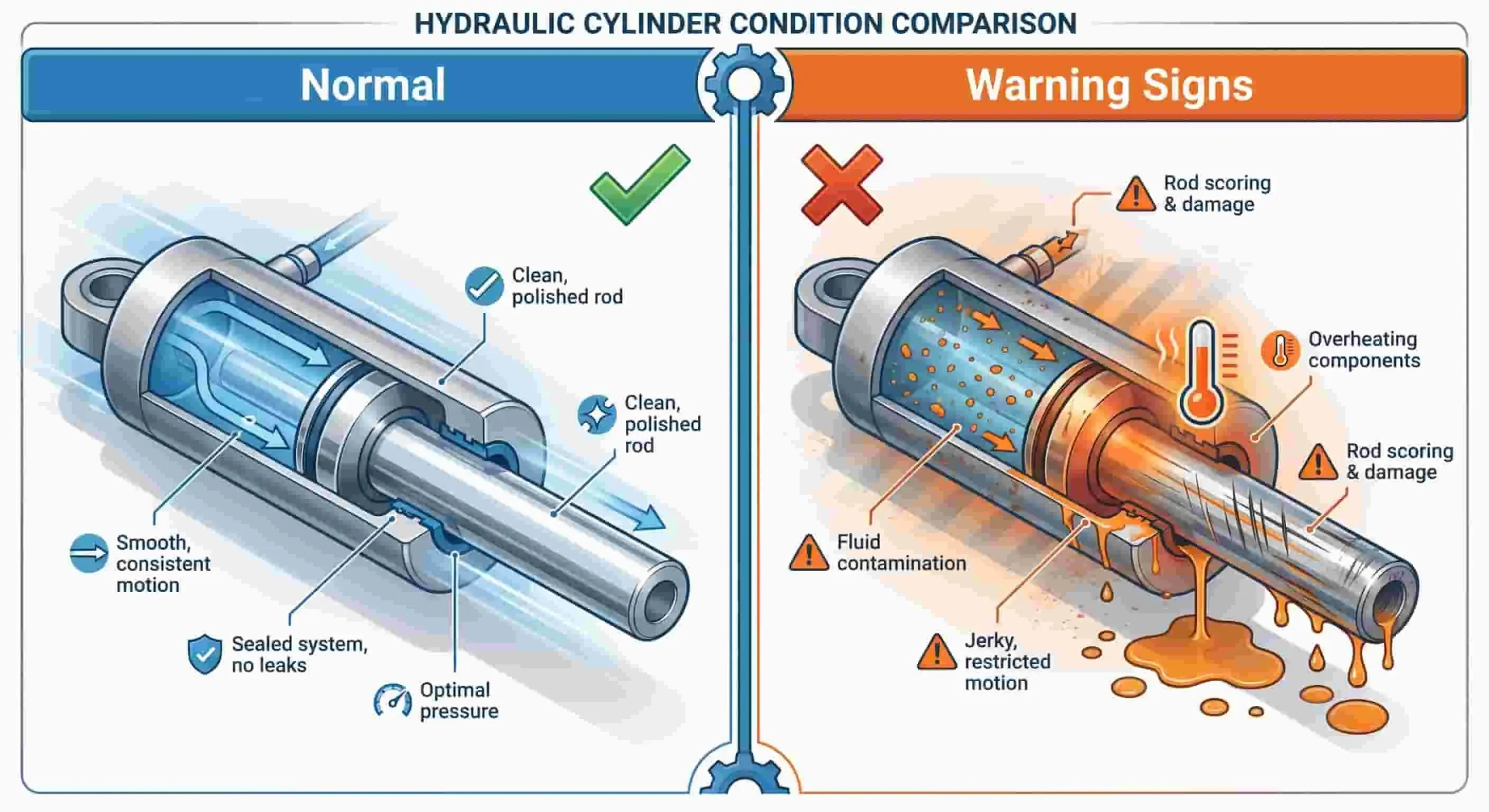
Operational best practices
– Never exceed the rated pressure
– Avoid sudden shock loading when possible
– Keep clear of pinch points and crush zones
– Watch for unusual vibration, noise, or drifting
– Maintain proper fluid level and cleanliness
– Use guards and shields where they are needed
– Shut down and isolate pressure before inspection
According to OSHA’s lockout/tagout guidance, controlling hazardous energy before servicing equipment is a core safety requirement, not an optional extra. Their overview is a useful reminder that residual pressure can remain dangerous even after the machine appears to be off.
Warning signs that something is wrong
– Slower extension or retraction
– Jerky motion
– Rod scoring
– Fluid seepage around seals
– Excessive heat buildup
– Load drift when the system should hold position
These symptoms do not always mean immediate failure, but they do suggest the system is losing efficiency and probably safety margin.
Maintenance Habits That Extend Cylinder Life
Maintenance is where most preventable problems can be caught early. In the field, the difference between a manageable repair and a major outage often comes down to routine inspection. The best maintenance programs are not complicated, but they are consistent.
Suggested inspection intervals
| Interval | What to check | Why it matters |
|---|---|---|
| Daily | Visible leaks, unusual noise, drift | Early detection of active issues |
| Weekly | Rod surface, mounting hardware, hose condition | Prevents wear from spreading |
| Monthly | Seal condition, alignment, fluid condition | Helps identify hidden deterioration |
| Quarterly | Contamination level, system pressure behavior | Supports broader system heal |
What to inspect closely
– Rod surface condition
– Seal integrity
– Mounting pin wear
– Hose abrasion or cracking
– Fitting tightness
– Signs of oil contamination
– Heat discoloration or varnish buildup
Routine checks become even more important in harsh environments. Dust, moisture, vibration, and temperature swings all shorten service life if they are ignored.
Maintenance do’s and don’ts
Do:
– Isolate and relieve pressure before servicing
– Use compatible seals and replacement parts
– Keep the work area clean during disassembly
– Record recurring issues for trend analysis
Don’t:
– Reuse visibly damaged rods or bent components
– Clean precision surfaces with abrasive materials
– Ignore a small leak because it seems harmless
– Mix components that are not rated for the same conditions
A small leak can be more than a housekeeping issue. It often signals seal wear, rod scoring, or pressure instability that will become more expensive later.
Contamination Control: The Quiet Threat Inside Every Hydraulic System
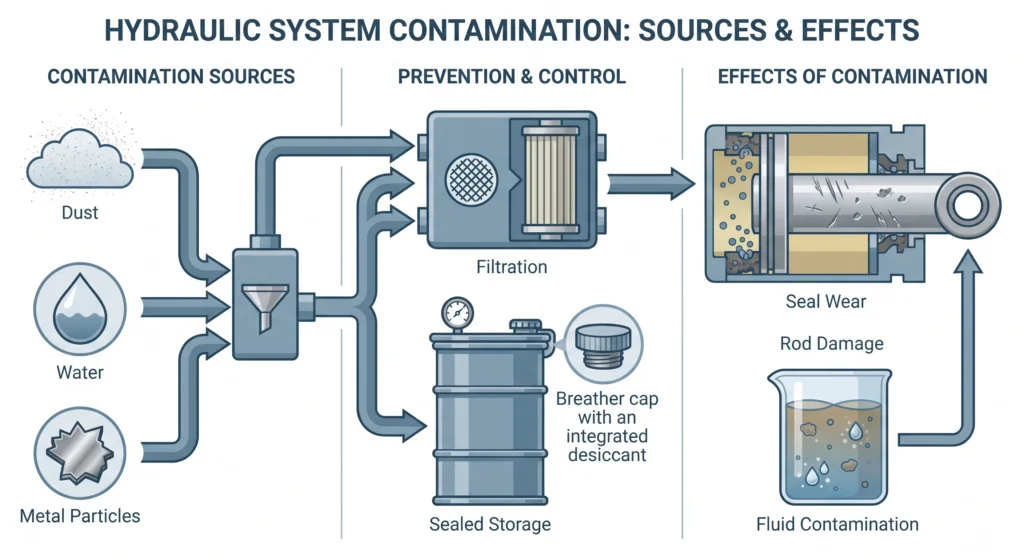
Contamination is one of the most underestimated causes of hydraulic trouble. Dust, water, metal particles, and degraded fluid can all shorten component life. In many cases, the cylinder itself is not the original source of the contamination; it just suffers from it first.
The internal surfaces of a cylinder are designed to work within fairly tight tolerances. Once contamination enters the system, seals wear faster, rods score more easily, and pressure losses become more likely.
Good contamination-prevention habits
– Cap open lines during storage and installation
– Keep spare parts in clean, dry packaging
– Use filtration suited to the system’s duty cycle
– Replace fluid based on condition, not only calendar time
– Inspect breathers, reservoirs, and fittings regularly
For applications with unusual exposure, sealing needs, or space constraints, the case for custom hydraulic cylinders often becomes stronger. A cylinder that is tailored to the job can reduce unnecessary stress points and improve long-term cleanliness and reliability.
Safety Inspection Guide: What Problems Usually Mean
| Symptom | Likely cause | Risk level | Recommended response |
|---|---|---|---|
| Fluid around rod seal | Seal wear or rod damage | Medium to high | Inspect immediately |
| Uneven motion | Air, contamination, or misalignment | Medium | Check alignment and system bleeding |
| Drifting under load | Internal bypass or valve issue | High | Remove from service and diagnose |
| Hot cylinder body | Overload or excessive cycle rate | Medium | Reduce demand and check pressure |
| Repeated fitting leaks | Vibration or improper torque | Medium | Retighten and inspect threads |
This kind of table is useful because it connects visible symptoms to likely causes without turning every issue into a full teardown. In practice, that saves time and helps teams decide when a cylinder can be monitored versus when it should be removed from service.
When to Repair, Rebuild, or Replace
Not every hydraulic cylinder deserves the same response after a fault is found. Some issues are repairable, while others suggest the cylinder has reached the end of a safe service life.
Replacement is often the better choice when:
– The rod is bent or deeply scored
– The tube is damaged or deformed
– Mounting points are cracked or distorted
– A failure keeps repeating after repair
– Corrosion has advanced into critical surfaces
– The cylinder has been overloaded multiple times
There is often a temptation to extend service life one more cycle, one more month, one more season. Sometimes that is reasonable. But when structural damage appears, safety should usually outweigh short-term savings.
Practical Takeaways for Safer Cylinder Use
A hydraulic cylinder performs best when the entire system around it is disciplined. The right selection helps. Clean installation helps. Careful operation helps. And routine maintenance helps more than most teams expect.
The safest setups usually share a few traits:
– Proper sizing for the real load, not the hoped-for load
– Accurate alignment and secure mounting
– Clean fluid and clean assembly practices
– Pressure control that stays within rated limits
– Inspection habits that catch wear early
In other words, safety is not a single task. It is a pattern. And once that pattern becomes routine, the equipment usually runs better, longer, and with fewer surprises.
Final Thoughts
Hydraulic cylinder safety is often less about one dramatic failure and more about a series of small, preventable issues. The best results usually come from selecting the right unit, installing it carefully, operating it within limits, and treating maintenance as a real safety function rather than a backup plan.
That approach may sound simple, but in practice it is what keeps systems predictable. And with hydraulic machinery, predictability is a major part of safety.
FAQ
How often should a hydraulic cylinder be inspected in heavy-use environments?
In high-cycle or harsh-duty settings, quick visual checks should be daily, with more detailed inspections weekly or monthly depending on contamination, load severity, and operating temperature.
What causes a cylinder to drift even when the machine is shut down?
Drift often points to internal bypass, valve leakage, trapped air, or seal wear. It can also happen when load geometry places unexpected force on the cylinder after shutdown.
Can a cylinder with minor rod scoring still be used safely?
Sometimes, but only after a careful inspection. Light cosmetic marks may be acceptable in some cases, while deeper scoring can quickly damage seals and lead to leakage or performance loss.