A Hydraulic Pump is a mechanical device that converts mechanical power into hydraulic energy. Specifically, it generates flow to move fluid through a hydraulic system, creating pressure that performs work. In simple terms, a Hydraulic Pump takes a low-pressure fluid from a reservoir and transforms it into a high-pressure fluid stream, which then powers cylinders, motors, and other actuators. Understanding what is a hydraulic pump and how it works is essential for anyone involved in heavy equipment, industrial machinery, mobile hydraulics, or maintenance. Without a Hydraulic Pump, modern construction, manufacturing, and agricultural industries would come to a halt. In this comprehensive guide, we will explain the definition of a Hydraulic Pump, its working principle, the different types available, key components, selection criteria, and maintenance best practices.
1. What Is a Hydraulic Pump? Basic Definition
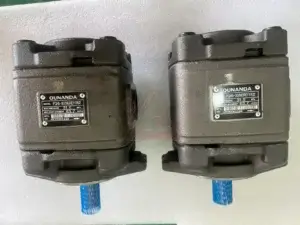
A Hydraulic Pump is a positive displacement device that converts rotational mechanical energy into fluid power. Unlike a water pump, a Hydraulic Pump creates flow against resistance – it generates pressure by constricting the fluid flow. The most common definition of a Hydraulic Pump centers on its ability to produce a continuous flow of hydraulic fluid, which is then directed to actuators to do useful work. A Hydraulic Pump does not create pressure on its own; it creates flow, and resistance to that flow produces pressure. For example, a gear pump, one of the most common types of Hydraulic Pump, uses meshing gears to trap and move fluid from the inlet to the outlet.
2. How Does a Hydraulic Pump Work? The Basic Principle
To understand what is a hydraulic pump and how it works, you must grasp the fundamental principle: a Hydraulic Pump takes a fluid volume at atmospheric pressure and forces it into a smaller space, increasing its pressure. The pump operates by creating a vacuum at its inlet, which draws fluid from the reservoir into the pumping chamber. The rotating or reciprocating elements then trap this fluid and push it out through the outlet port against the load. As the fluid is forced through restrictions (such as valves or cylinder ports), pressure builds. The relationship is simple: flow rate determines speed, and pressure determines force. A Hydraulic Pump must be sized to deliver the required flow at the required pressure to meet the system’s demands.
3. Key Components of a Hydraulic Pump
Every Hydraulic Pump consists of several essential components:
Inlet (Suction) Port: Where fluid enters the pump from the reservoir.
Outlet (Pressure) Port: Where pressurized fluid exits the pump to the system.
Pumping Mechanism: The internal elements that displace fluid – gears, vanes, pistons, or screws.
Drive Shaft: The connection to the prime mover (electric motor, engine, or PTO).
Bearings: Support the rotating elements and reduce friction.
Seals: Prevent internal and external leakage.
The efficiency of a Hydraulic Pump depends heavily on the precision of these components.
4. Main Types of Hydraulic Pumps
There are three primary categories of Hydraulic Pump, each with unique characteristics:
Gear Pumps: These are the simplest and most common types of Hydraulic Pump. They use two meshing gears (external or internal) to trap fluid between the gear teeth and the housing. Gear pumps are fixed-displacement – they deliver a constant amount of flow per revolution. They are robust, inexpensive, and suitable for pressures up to 3,000 psi.
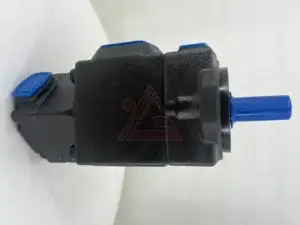
Vane Pumps: A vane pump uses a rotor with sliding vanes that trap fluid between the vanes and the housing. Vane pumps can be fixed or variable displacement. They offer quieter operation and better efficiency than gear pumps at medium pressures (up to 2,500 psi). A hydraulic vane pump is often used in industrial applications where noise and pulsation are concerns.
Piston Pumps: Piston pumps are the most versatile and efficient Hydraulic Pump type. They use reciprocating pistons arranged in a cylinder block. Piston pumps can be fixed or variable displacement and handle pressures up to 6,000 psi. A hydraulic piston pump is commonly found in heavy machinery and high-pressure systems.
Additionally, screw pumps and centrifugal pumps are sometimes used in hydraulics, but gear, vane, and piston pumps dominate the industry.
5. Fixed Displacement vs. Variable Displacement Pumps
A crucial distinction in Hydraulic Pump selection is between fixed and variable displacement:
Fixed Displacement Pump: Delivers a constant flow per revolution regardless of pressure. Flow rate is determined by pump speed. Fixed pumps are simpler, less expensive, and used in applications where flow requirements are constant.
Variable Displacement Pump: Can change its output flow by adjusting the displacement (angle of swashplate or eccentricity). This allows flow to match system demand, reducing energy waste. A hydraulic pump variable displacement is ideal for systems with varying flow needs, such as mobile equipment and presses.
6. Applications of Hydraulic Pumps
The Hydraulic Pump is used in countless industries and applications:
Construction: Excavators, bulldozers, and loaders rely on hydraulic pumps for boom, bucket, and steering functions.
Manufacturing: Presses, injection molding machines, and conveyors use pumps to generate force.
Agriculture: Tractors, combines, and sprayers use hydraulic pumps for implement control.
Automotive: Power steering, brakes, and convertible tops use small pumps.
Aerospace: Actuators and landing gear rely on specialized pumps.
7. How to Select a Hydraulic Pump
Choosing the right Hydraulic Pump for your application involves several factors:
Required Flow Rate: Determines actuator speed.
Maximum Pressure: Must exceed the system’s highest working pressure.
Power Source: Match the pump’s drive speed and torque to the prime mover.
Displacement Type: Fixed or variable based on load demands.
Efficiency: Look for high volumetric and mechanical efficiency.
Noise and Vibration: Consider for indoor or operator-adjacent installations.
8. Common Issues and Troubleshooting
Even a well-maintained Hydraulic Pump can experience problems. Common issues include:
Excessive Noise: Often caused by cavitation (inlet restriction) or aeration (air in fluid).
Low Pressure: May indicate worn internal parts or bypassing valves.
Overheating: Often caused by contamination, incorrect viscosity, or internal leakage.
Slow Operation: Could be due to low pump speed or internal wear.
9. Maintenance Tips for Hydraulic Pumps
To extend the life of a Hydraulic Pump, follow these best practices:
Keep Fluid Clean: Contamination is the number one killer of hydraulic pumps.
Monitor Fluid Temperature: Overheating degrades fluid and damages components.
Check Inlet Conditions: Ensure suction lines are not restricted.
Change Filters Regularly: Clean filters prevent debris from entering the pump.
Listen for Unusual Noises: Early detection prevents major failures.
10. Future Trends in Hydraulic Pump Technology
The hydraulic industry is evolving, with trends including:
Electrohydraulic Pumps: Integration of electric motors with pumps for variable speed control.
Smart Pumps: Sensors and IoT connectivity for condition monitoring and predictive maintenance.
Biodegradable Fluids: Environmentally friendly fluids that reduce ecological impact.
These innovations continue to enhance the efficiency and reliability of the Hydraulic Pump.
Conclusion
Understanding what is a hydraulic pump and how it works is fundamental to designing, operating, and maintaining hydraulic systems. A Hydraulic Pump converts mechanical energy into fluid power, enabling machines to perform heavy work efficiently. Whether you need a gear pump, vane pump, piston pump, or screw pump, each type serves specific applications. By selecting the right hydraulic pump, maintaining it properly, and understanding its operating principles, you can ensure reliable and long-lasting performance from your hydraulic system.