Environmental protection is one of the most critical challenges of our time, and behind the scenes, Hydraulic Cylinder technology plays a vital role in waste processing, water treatment, and pollution control. From compacting scrap metal to operating incinerator doors, Hydraulic Cylinder actuators provide the high force and reliability needed for harsh, continuous-duty applications. Understanding Hydraulic Cylinder uses in environmental protection helps engineers, plant managers, and maintenance teams select the right components for recycling plants, wastewater facilities, and dredging operations. In this guide, we will explore key environmental applications that depend on specialized Hydraulic Cylinder systems.

1. Hydraulic Cylinders in Recycling Plants
Recycling facilities process tons of paper, plastic, glass, and metal every day. Sorting, crushing, baling, and conveying all rely on Hydraulic Cylinder actuators. A hydraulic cylinder for recycling plant must operate in dusty, abrasive conditions with frequent cycling. For example, baling presses use large-bore cylinders to compress recyclables into dense bales. These Hydraulic Cylinder units are built with heavy-duty seals and hard-chromed rods to resist wear. Without reliable hydraulic cylinders, recycling plants would quickly become overwhelmed by unprocessed waste.
2. Waste Incinerator Cylinders
Incinerators burn municipal solid waste or hazardous materials at extremely high temperatures. The feeding doors, grates, and ash removal systems are often powered by Hydraulic Cylinder actuators. A waste incinerator cylinder must withstand radiant heat, corrosive gases, and sticky ash. Special high-temperature seals (Viton or proprietary compounds) and water-cooled rods are common. These Hydraulic Cylinder units are designed for fail-safe operation – if hydraulic pressure is lost, the cylinder should hold position or move to a safe state. Reliable incinerator cylinders ensure continuous waste destruction with minimal downtime.
3. Water Treatment Hydraulic Cylinders
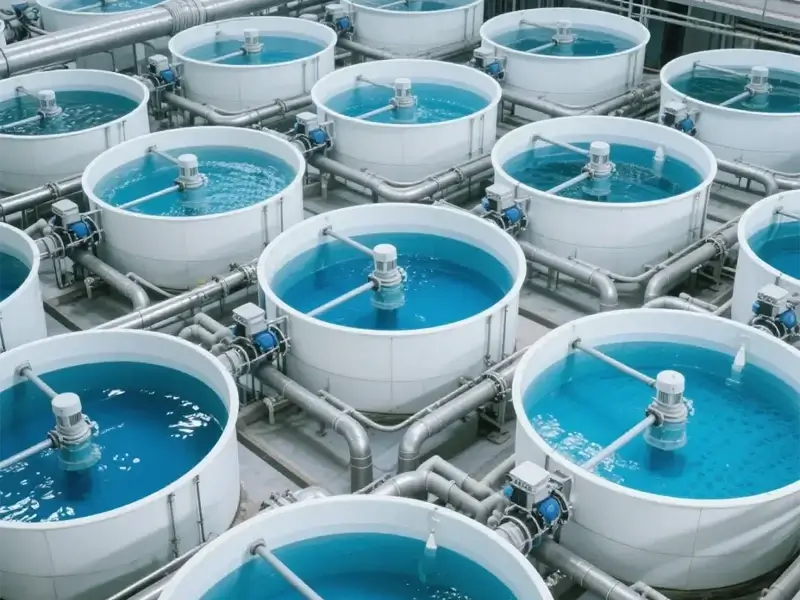
Water and wastewater treatment plants use Hydraulic Cylinder systems to operate gates, valves, weirs, and filter presses. A water treatment hydraulic cylinder must resist corrosion from chemicals (chlorine, alum, polymers) and exposure to moisture. Stainless steel rods, nickel-chromium plating, and marine-grade seals are standard. For example, a filter press cylinder compresses filter plates to squeeze water from sludge. These Hydraulic Cylinder units often operate in wet, sometimes submerged conditions. Proper material selection prevents rust and extends service life.
4. Scrap Metal Baler Cylinders
Scrap metal recycling is highly demanding: cylinders must crush car bodies, appliances, and industrial scrap into dense bales. A scrap metal baler cylinder is typically a large-bore, high-pressure Hydraulic Cylinder with a massive rod and reinforced end caps. These cylinders operate at pressures up to 5,000 psi and endure extreme shock loads when the baler crushes irregular shapes. Heavy-duty wear rings and dual wipers keep contaminants out. A failed baler cylinder can stop an entire scrap yard, so maintenance is critical.
5. Tire Recycling Cylinders
Tire recycling uses hydraulic cylinders to cut shredder feed doors, move ramps, and operate guillotine shears. A tire recycling cylinder must resist the abrasive action of steel-belted rubber and constant cycling. These Hydraulic Cylinder units often feature upgraded rod seal materials (polyurethane) and chrome plated rods to resist scoring from wire fragments. Energy-efficient cylinder designs with regenerative circuits reduce cycle time and power consumption, making tire recycling more economical.
6. Dredging Hydraulic Cylinders
Dredging removes sediment from rivers, harbors, and industrial lagoons to maintain navigation and restore water quality. A dredging hydraulic cylinder operates on a floating barge or underwater. It must resist saltwater corrosion and abrasive sand/silt. Cylinders are often made of duplex stainless steel or coated with heavy-duty epoxy. They control the cutter head position, suction pipe angle, and discharge chute. A Hydraulic Cylinder on a dredger works in a high-vibration, impact-prone environment. Regular inspection of rods and seals is essential to prevent sudden failure.
7. Other Environmental Applications
Beyond the major examples, Hydraulic Cylinder systems are found in:
Landfill compactors: Crushing waste to extend landfill life.
Compost turners: Lifting and rotating aeration drums.
Oil skimmers: Moving collection belts or weirs.
Pollution control dampers: Operating flue-gas valves in incinerators.
Each of these applications demands a Hydraulic Cylinder tailored to specific contaminants, temperatures, and duty cycles.
8. Maintenance Tips for Environmental Hydraulic Cylinders
To keep a Hydraulic Cylinder operating reliably in environmental services:
Use corrosion-resistant rod coatings (hard chrome, nickel, ceramic).
Select seals compatible with chemicals and temperature extremes.
Install rod boots or bellows in dusty or abrasive environments.
Change hydraulic fluid and filters on a frequent schedule (contamination is common).
Keep spare cylinders or seal kits for critical processes like incinerators or water treatment plants.
Conclusion
From recycling plants and incinerators to water treatment facilities and dredging barges, the Hydraulic Cylinder is an indispensable workhorse in environmental protection. Specialized designs such as the hydraulic cylinder for recycling plant, waste incinerator cylinder, water treatment hydraulic cylinder, scrap metal baler cylinder, tire recycling cylinder, and dredging hydraulic cylinder demonstrate how this technology adapts to corrosive, abrasive, and high-temperature conditions. By selecting the right Hydraulic Cylinder for each application and following a proactive maintenance plan, environmental operators can maximize uptime, reduce repair costs, and contribute to a cleaner planet.