Choosing the right Compact Hydraulic Cylinder for your application can be challenging given the many options in bore size, stroke, mounting style, and materials. A well-selected Compact Hydraulic Cylinder delivers reliable force in tight spaces, while a poor choice leads to premature failure, leaks, and costly downtime. In this guide, we will walk you through the key selection criteria – from force calculation to environmental protection. For a basic understanding of this cylinder type, see our guide on What Is a Compact Hydraulic Cylinder.
1. Determine Force Requirements (Bore Size)
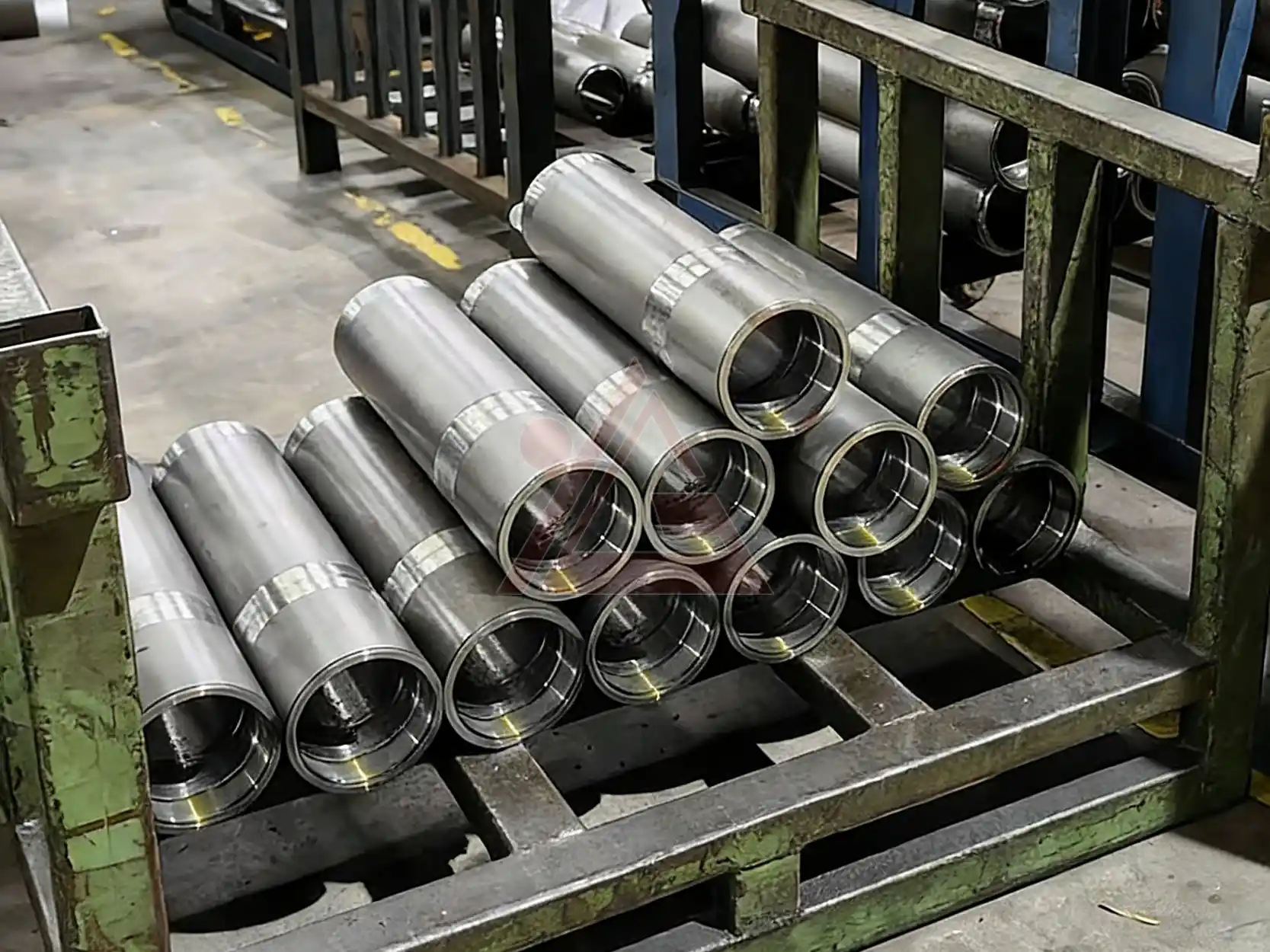
The first step is calculating the force your Compact Hydraulic Cylinder must produce. Force equals system pressure multiplied by the piston area (F = P × A). Measure or obtain your hydraulic system’s maximum pressure (psi or bar). Then decide the required push or pull force. Choose a bore size that provides at least 10-20% force margin. For example, a small bore hydraulic cylinder (e.g., 20-40 mm) works for light clamping, while a high force compact cylinder (e.g., 80-125 mm) is needed for pressing or forming. Always verify that the chosen Compact Hydraulic Cylinder can sustain the maximum pressure without permanent deformation.
2. Define Stroke Length
Stroke length is the distance the piston rod travels from fully retracted to fully extended. Measure the exact movement your machine requires. Do not oversize the stroke unnecessarily – extra length increases the cylinder’s collapsed height, which may not fit your space. For a long stroke compact cylinder, consider rod buckling: use a larger rod diameter or specify a cylinder with intermediate supports. For most automation tasks, a short stroke compact cylinder (25-100 mm) is sufficient.
3. Select Mounting Style
The mounting style determines how the Compact Hydraulic Cylinder attaches to your equipment. Common options include flange mounts (rigid, for axial loads), side lug mounts (easy alignment), clevis mounts (allow pivoting), trunnion mounts (wide angle articulation), and threaded body mounts (extremely compact). A stainless steel compact cylinder with a clevis mount is ideal for wash-down environments where pivoting is required. Choose a mount that keeps the rod aligned with the load to avoid side forces. If you are unsure, refer to our guide on common mounting styles.
4. Consider Rod Diameter and Buckling
Rod diameter affects column strength. For a given bore, a larger rod is stronger but increases the overall weight and reduces the effective annulus area (which reduces retraction force). Use the manufacturer’s buckling charts to ensure the Compact Hydraulic Cylinder’s rod can handle the compressive load without bending. For a heavy duty compact cylinder with long stroke, always choose the largest practical rod diameter.
5. Choose Material and Corrosion Protection
Standard Compact Hydraulic Cylinder bodies are often aluminum with hard chrome rod. For corrosive environments (marine, chemical, food processing), upgrade to a stainless steel compact cylinder. Rod coatings can also be specified: nickel chromium for saltwater resistance or ceramic for extreme wear. For outdoor applications, a weather resistant compact cylinder with sealed wipers and painted surfaces extends life.
6. Select Seal Material and Temperature Range
Seals must be compatible with your hydraulic fluid and operating temperature. Standard seals (Nitrile) work for mineral oils from -20°C to +80°C. For high temperatures (up to 200°C), choose Viton seals. For low temperatures (down to -40°C), use special low-temperature seals. A high temperature compact cylinder with Viton seals is necessary near furnaces or in desert environments.
7. Check Port Sizes and Threads
Ensure the cylinder’s ports match your system’s fittings. Common port types include SAE O-ring, NPT, BSPP, and metric. For a high pressure compact cylinder (>3000 psi), SAE O-ring ports are preferred because they resist leakage better. If you need non-standard ports, many manufacturers offer a custom compact cylinder with your choice of threads and port locations.
8. Evaluate Sensor and Cushioning Options
Many applications benefit from end-of-stroke sensing or position feedback. A compact hydraulic cylinder with built-in sensor can save space and simplify wiring. Look for cylinders with magnetic piston options for external reed switches or integrate a linear transducer into the rod. Cushioning (internal shock absorbers at stroke ends) reduces impact noise and extends seal life. Specify adjustable cushions if your cycle speed is high.
9. Consider Serviceability and Spare Parts
Although compact cylinders are often welded or non-serviceable, some designs allow seal replacement. If you expect frequent maintenance, choose a repairable compact cylinder with removable end caps. Also check the availability of seal kits and spare parts. A standard compact cylinder from a major brand will have better parts support than an obscure one.
10. Review Drawings and Test Before Finalizing
Before ordering a large quantity, request a dimensional drawing of the Compact Hydraulic Cylinder with your exact specifications. Verify all dimensions, mounting hole patterns, port locations, and stroke limits. If possible, test a sample cylinder under simulated operating conditions to confirm force, speed, and durability.
Conclusion
Selecting the right Compact Hydraulic Cylinder requires careful analysis of force, stroke, mounting, rod diameter, materials, seals, ports, sensors, serviceability, and testing. Whether you need a small bore hydraulic cylinder, high force compact cylinder, long stroke compact cylinder, stainless steel compact cylinder, heavy duty compact cylinder, or custom compact cylinder, following this systematic process ensures you get a cylinder that fits perfectly and performs reliably. For foundational knowledge, revisit What Is a Compact Hydraulic Cylinder. Invest time in selection – it pays back in uptime and productivity.