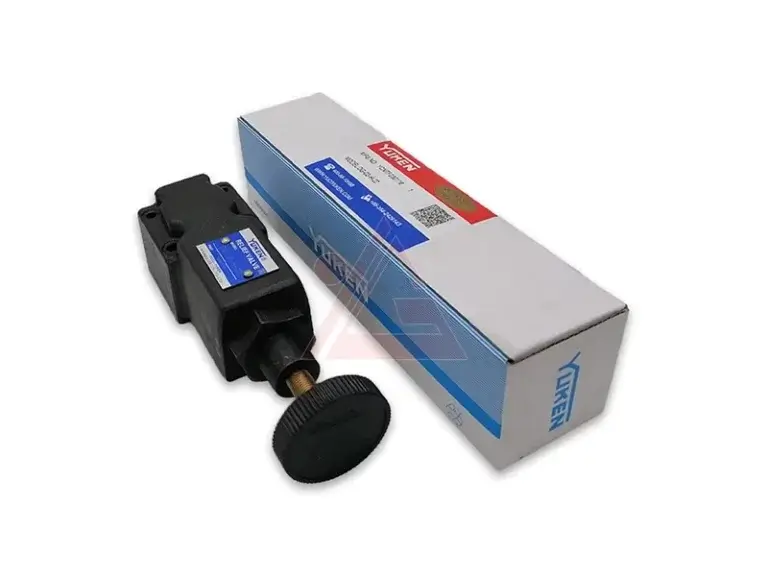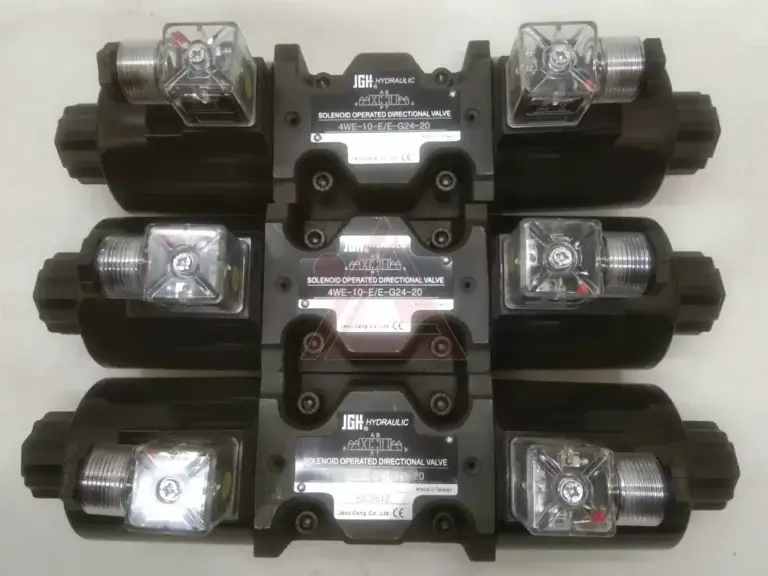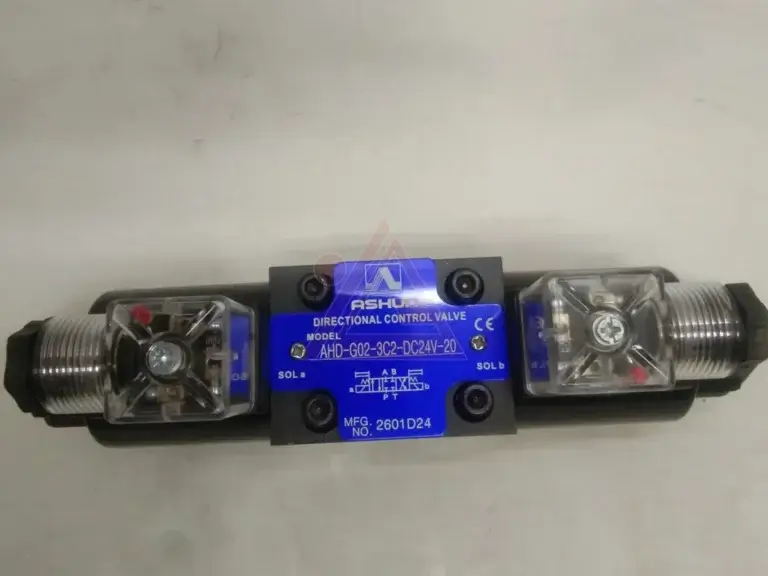
A Hydraulic Cylinder is a mechanical actuator that converts hydraulic fluid pressure into linear force and motion. From construction sites to factory floors, Hydraulic Cylinder technology powers countless machines that lift, push, pull, and hold heavy loads. Understanding the common industrial uses of a Hydraulic Cylinder helps engineers, maintenance teams, and purchasers select the right component for their application. In this guide, we will explore five major industries where Hydraulic Cylinder systems are essential.
1. Construction Equipment
The construction industry relies heavily on Hydraulic Cylinder systems. Excavators, bulldozers, backhoes, loaders, and cranes all use hydraulic cylinders to move booms, buckets, blades, and arms. A Hydraulic Cylinder in Construction Equipment must withstand shock loads, dust, and extreme weather. For example, an excavator’s arm cylinder generates tons of force to break rock and lift soil. Without reliable Hydraulic Cylinder units, modern construction would be impossible.

2. Industrial Manufacturing
Factories and production lines use Hydraulic Cylinder actuators for pressing, stamping, molding, and clamping. Hydraulic presses, injection molding machines, and metal forming equipment depend on the high force density of hydraulic cylinders. A Hydraulic Cylinder for Industrial Manufacturing typically operates at high pressures (3000–6000 psi) and cycles continuously. These cylinders require precision machining and durable seals to maintain consistent performance over millions of cycles.
3. Agriculture
Modern farming equipment uses Hydraulic Cylinder systems to raise and lower implements, steer wheels, and fold machinery for transport. Tractors, combine harvesters, sprayers, and balers all contain multiple hydraulic cylinders. A Hydraulic Cylinder in Agriculture must resist dirt, moisture, and temperature extremes. For example, a baler cylinder compresses hay with enormous force; a tractor’s steering cylinder provides precise control in muddy fields. Agricultural cylinders often feature chrome rods and heavy-duty wipers to keep contaminants out.

4. Waste Management & Recycling
Waste collection trucks, compactors, balers, and recycling sorting equipment use Hydraulic Cylinder actuators to compress waste, lift containers, and open hoppers. A Hydraulic Cylinder in Waste Management & Recycling faces abrasive debris, corrosive liquids, and frequent cycling. The packer cylinder inside a garbage truck pushes waste into the hopper with pressures up to 3000 psi. Recycling balers use large-bore cylinders to crush cardboard, plastic, and metal into dense bales. Reliability is critical because downtime in waste management affects entire communities.
5. Aerospace & Heavy-Duty Applications
The aerospace industry uses Hydraulic Cylinder systems for landing gear extension/retraction, cargo door actuation, flight control surfaces, and brake systems. A Hydraulic Cylinder for Aerospace & Heavy-Duty Applications must be lightweight yet extremely strong, with absolute reliability. Aircraft hydraulic cylinders operate at high pressures (up to 5000 psi) and must function flawlessly in extreme temperatures and altitudes. In heavy-duty industrial applications such as steel mills, mining, and offshore drilling, hydraulic cylinders are built with extra-thick walls, corrosion-resistant coatings, and fail-safe features.
Conclusion
From construction and manufacturing to agriculture, waste management, and aerospace, the Hydraulic Cylinder is a versatile and powerful component. Specialized designs like the Hydraulic Cylinder in Construction Equipment, Hydraulic Cylinder for Industrial Manufacturing, Hydraulic Cylinder in Agriculture, Hydraulic Cylinder in Waste Management & Recycling, and Hydraulic Cylinder for Aerospace & Heavy-Duty Applications demonstrate how this technology adapts to unique demands. Understanding these common industrial uses of a Hydraulic Cylinder helps you specify, maintain, and replace cylinders effectively. No matter the industry, a properly selected Hydraulic Cylinder delivers reliable linear motion and force.