Construction equipment operates in some of the toughest conditions on earth-rocky terrain, mud, dust, and extreme weather. At the heart of nearly every digging, lifting, pushing, and tilting action is a Hydraulic Cylinder. These linear actuators convert hydraulic fluid pressure into powerful, controlled motion. Understanding Hydraulic Cylinder uses in construction equipment helps operators maintain machines effectively and choose the right components for replacement or upgrade. In this guide, we will explore how different construction machines rely on Hydraulic Cylinder technology.
1. Excavators – The Power of the Boom Cylinder
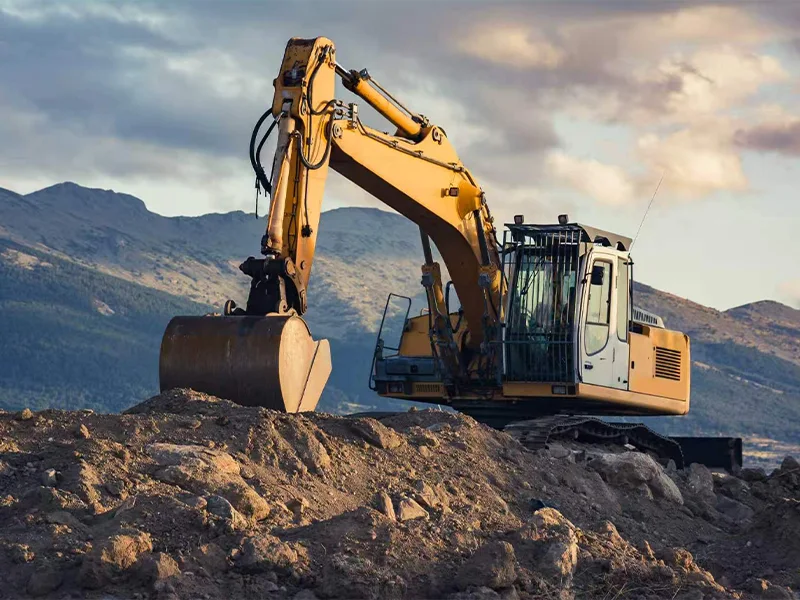
Excavators are essential for digging trenches, foundations, and bulk earthmoving. The arm, boom, and bucket are all moved by Hydraulic Cylinder units. The boom cylinder raises and lowers the entire front attachment. An excavator boom hydraulic cylinder must withstand extreme shock loads when the bucket hits rock or concrete. It also resists bending forces when the excavator performs side-digging. Without a reliable Hydraulic Cylinder, an excavator cannot perform its core functions. These cylinders typically have bore diameters from 100 mm to over 300 mm and operate at pressures up to 5,000 psi.
2. Loaders – Bucket Tilt and Lift Cylinders
Wheel loaders and skid steer loaders use multiple Hydraulic Cylinder actuators. The lift arms raise the bucket; the tilt cylinder rotates the bucket to scoop or dump material. A loader bucket tilt cylinder experiences constant reversing loads as the bucket fills and empties. It must provide smooth, precise control to avoid spilling. These Hydraulic Cylinder units are often equipped with cushioning at the end of stroke to reduce impact. Loader cylinders also need excellent rod sealing to keep out dust and debris.
3. Bulldozers – Blade Lift and Tilt Functions
Bulldozers push massive amounts of soil, rock, and debris. The blade is raised, lowered, and tilted by Hydraulic Cylinder systems. A bulldozer blade lift cylinder is one of the most heavily stressed cylinders in construction. It must hold the blade at a precise height while the machine pushes against enormous resistance. These cylinders often feature oversized rods and heavy-duty wear rings to handle side loads. The Hydraulic Cylinder on a dozer also operates in extreme dust, requiring double wipers and hard-hromed rods.
4. Backhoes – Combined Functions
Backhoe loaders combine a front loader and a rear excavator arm. They use Hydraulic Cylinder units for steering, loader lift, loader tilt, outriggers, and the backhoe arm. The backhoe’s dipper and bucket cylinders require high force and fine control for utility work. A reliable Hydraulic Cylinder allows an operator to dig precisely next to foundations without damaging structures.
5. Graders and Scrapers
Motor graders use Hydraulic Cylinder actuators to control blade pitch, circle rotation, and wheel lean. Scrapers use cylinders to raise and lower the bowl and ejector. These applications demand smooth, proportional control. Hydraulic Cylinder units on graders often have position sensors for fine grading.
6. Choosing a Reliable Hydraulic Cylinder Supplier
Construction equipment owners and repair shops need a dependable source for replacement cylinders. A trusted yagang hydraulic supplier offers a wide range of Hydraulic Cylinder types, from standard tie-rod designs to custom-built units for specific machines. Using quality cylinders reduces downtime and extends rebuild intervals. Always verify that the supplier provides material certificates, pressure test reports, and proper packaging to prevent damage during shipping.
7. Heavy-Duty Hydraulic Cylinders for Earthmoving
Earthmoving machines – such as large excavators, dozers, and haul trucks – require cylinders that can handle millions of cycles under extreme loads. A heavy duty hydraulic cylinder for earthmoving features induction-hardened rods, PTFE-filled wear rings, and high-strength alloy steel barrels. These cylinders are designed to resist shock, bending, and contamination. They often come with extended warranties and are rebuildable multiple times. Investing in Heavy-Duty Hydraulic Cylinders reduces total cost of ownership for fleet operators.
8. Maintenance Tips for Construction Hydraulic Cylinders
To extend the life of any Hydraulic Cylinder in construction equipment:
Regularly inspect rod surfaces for scratches or chrome flaking.
Replace wipers and rod seals at the first sign of leakage.
Keep hydraulic fluid clean and change filters on schedule.
Avoid side loading by maintaining proper pin and bushing clearances.
Store spare cylinders in a dry, covered area.
Conclusion
From excavators and loaders to bulldozers and graders, the Hydraulic Cylinder is the muscle behind construction equipment. Specialized components like the excavator boom hydraulic cylinder, loader bucket tilt cylinder, bulldozer blade lift cylinder, and heavy duty hydraulic cylinder for earthmoving demonstrate how engineering meets the demands of tough job sites. By partnering with a reputable yagang hydraulic supplier, equipment owners can ensure they receive high-quality Hydraulic Cylinder units that deliver reliable performance, reduce downtime, and extend machine life. Understanding these uses helps operators and maintenance teams keep construction projects moving.