A pressure control valve is one of the most essential components in any hydraulic system. It manages the force that hydraulic cylinders and motors generate, protects equipment from damage due to overpressure, and ensures smooth, predictable operation. Without precise pressure control valve regulation, hydraulic systems would be prone to component failure, erratic behavior, energy waste, and safety hazards.
This comprehensive guide explores the core functions of pressure control valve types, their working principles, primary applications across industries, and how they integrate with hydraulic cylinders and other actuators.
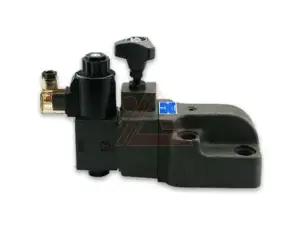
1. What Is a Pressure Control Valve?
A pressure control valve is a hydraulic component designed to regulate the pressure of fluid within a hydraulic system. It performs this function by either limiting the maximum pressure, reducing pressure to a lower level, sequencing operations, controlling overrunning loads, or unloading pumps.
Pressure-control valves are found in virtually every hydraulic system, performing a variety of functions—from keeping system pressures safely below a desired upper limit to maintaining a set pressure in part of a circuit.
2. Core Functions of Pressure Control Valves
The five primary functions of pressure control valve types are:
Function 1: Limiting Maximum System Pressure
The most fundamental function of a pressure control valve is to limit maximum system pressure. This protects pumps, actuators, valves, hoses, and other components from damage due to overpressure. The pressure relief valve performs this function by diverting excess fluid back to the reservoir when pressure exceeds a preset limit.
Function 2: Maintaining Reduced Pressure
Some hydraulic systems operate at high pressure overall but certain sub-circuits—such as clamping circuits or pilot controls—require lower pressure. A pressure reducing valve maintains a constant reduced pressure in a branch circuit, regardless of fluctuations in the main system pressure.
Function 3: Sequencing Actuator Operations
In many hydraulic systems, actuators must operate in a specific order. A sequence valve ensures this by directing flow to a secondary circuit only after the primary circuit has reached a set pressure. This is essential in “clamp and work” circuits where clamping must be completed before machining begins.
Function 4: Controlling Overrunning Loads
When a load moves faster than the pump can supply oil—such as a descending crane boom or a lowering fork carriage—the actuator can “run away.” A counterbalance valve creates backpressure on the return line of the actuator, preventing uncontrolled load movement and ensuring smooth, controlled lowering.
Function 5: Unloading Pumps for Energy Efficiency
In systems with accumulators or multiple pumps, an unloading valve allows a pump to operate at minimum load when flow is not needed. This reduces heat generation and saves energy, making the system more efficient.
3. Types of Pressure Control Valves and Their Working Principles
Understanding the working principles of each pressure control valve type helps in selecting the right valve for a specific application.
Pressure Relief Valve
A pressure relief valve is a normally closed valve. It consists of a poppet held against a seat by a spring. System pressure acts on one side of the poppet; when pressure exceeds the spring setting, the fluid unseats the poppet, allowing fluid to bypass to the reservoir.
Direct-acting relief valves are simple and respond rapidly, ideal for relieving shock pressures. Pilot-operated relief valves are used for applications requiring large flows with better pressure control.
Pressure Reducing Valve
A pressure reducing valve is a normally open valve. It allows fluid to flow freely from the inlet to the outlet until the downstream pressure reaches the valve setting. When the outlet pressure exceeds the setting, the valve throttles flow to maintain the desired reduced pressure.
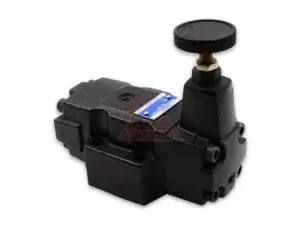
Sequence Valve
A sequence valve is a normally closed valve with an inlet port, a sequence (outlet) port, and a drain port. When the inlet pressure reaches the valve setting, the valve opens, allowing flow to the secondary actuator. The valve remains open as long as the inlet pressure stays above the setting.
Counterbalance Valve
A counterbalance valve is a normally closed valve that allows free flow in one direction but restricts flow in the opposite direction until a preset pressure is reached. This creates backpressure that opposes the load, preventing uncontrolled movement.
Unloading Valve
An unloading valve is a normally closed valve that depends on an external pressure signal for its actuation. When the external signal reaches the valve setting, the valve opens, unloading the pump to the tank at low pressure.
4. How Pressure Control Valves Work with Hydraulic Cylinders
The interaction between a pressure control valve and a hydraulic cylinder is critical to system performance.
Force Control
The force a hydraulic cylinder produces is directly related to pressure: Force = Pressure × Piston Area. By controlling pressure, a pressure relief valve determines the maximum force the cylinder can exert. Setting the relief valve too low reduces cylinder force; setting it too high risks component damage.
Speed Control in Overrunning Conditions
When a cylinder is lowering a load, the load can pull the cylinder faster than the pump can supply oil. A counterbalance valve on the cylinder’s return line creates backpressure, controlling the lowering speed and preventing the load from running away.
Clamping and Holding
In clamping applications, a pressure reducing valve supplies reduced pressure to a clamp cylinder, ensuring the workpiece is held securely without damaging it. The pressure relief valve protects the system from overpressure during clamping.
Sequencing
In multi-cylinder systems, a sequence valve ensures that one cylinder completes its stroke before another begins. This is essential in automated manufacturing processes where operations must occur in a specific order.
5. Primary Applications Across Industries
Construction Equipment
Excavators, loaders, and bulldozers use pressure relief valves for pump and system protection. Counterbalance valves control boom and bucket movements, preventing loads from dropping uncontrollably.
Industrial Machinery
Hydraulic presses and injection molding machines rely on pressure relief valves for safety, pressure reducing valves for clamp pressure control, and sequence valves for multi-stage operations.
Agricultural Machinery
Tractors and harvesters use sequence valves for implement sequencing and pressure reducing valves for steering circuits and pilot controls.
Mobile Equipment
Forklifts and aerial work platforms use counterbalance valves for load holding and lowering control, and pressure relief valves for system protection.
Marine and Offshore
Winches and deck machinery use counterbalance valves for load control and pressure relief valves for system protection in harsh saltwater environments.
Oil and Gas
Wellhead equipment and pipeline systems use pressure relief valves and pressure reducing valves for safety and pressure regulation.
6. Selecting the Right Pressure Control Valve
Choosing the correct pressure control valve for your application requires consideration of:
Valve Function: Identify whether you need to limit pressure, reduce pressure, sequence operations, control overrunning loads, or unload a pump.
Pressure Range: The valve must be rated for your system’s maximum operating pressure.
Flow Capacity: The valve must handle the required flow without excessive pressure drop.
Valve Construction: Choose between direct-acting (simple, fast response) and pilot-operated (higher flow capacity, better pressure control).
Adjustability: Consider whether you need a fixed or adjustable valve.
7. Maintenance and Troubleshooting
Proper maintenance of pressure control valves is essential for reliable operation:
Keep Fluid Clean: Contamination is the leading cause of valve failure.
Check for Leaks: Inspect valve body and connections regularly.
Monitor Temperature: Excessive heat can damage seals and degrade performance.
Test Pressure Settings: Regularly verify relief valve and reducing valve settings.
Common Issues:
Relief valve chattering: Often caused by insufficient back pressure or worn components.
Pressure drift: May indicate a worn spring or contaminated fluid.
Failure to open: Could be caused by a stuck spool or damaged seal.
8. Future Trends in Pressure Control Valve Technology
The hydraulic industry continues to evolve, with new pressure control valve technologies emerging:
Digital and Smart Valves: Built-in electronics and IoT connectivity for condition monitoring and predictive maintenance.
Energy-Efficient Designs: Valves that minimize pressure drops and reduce energy consumption.
Proportional Pressure Control: Electronic control for precise, stepless pressure regulation.
Conclusion
A pressure control valve is the pressure management center of any hydraulic system. From the pressure relief valve that protects components from overpressure, to the pressure reducing valve that maintains lower pressures in sub-circuits, to the counterbalance valve that controls overrunning loads, each type of pressure control valve serves a specific and essential function. Understanding the functions and applications of pressure control valves is fundamental to designing, operating, and maintaining safe and efficient hydraulic systems. By selecting the right pressure control valve for your application and maintaining it properly, you can ensure reliable, efficient, and long-lasting hydraulic system performance.