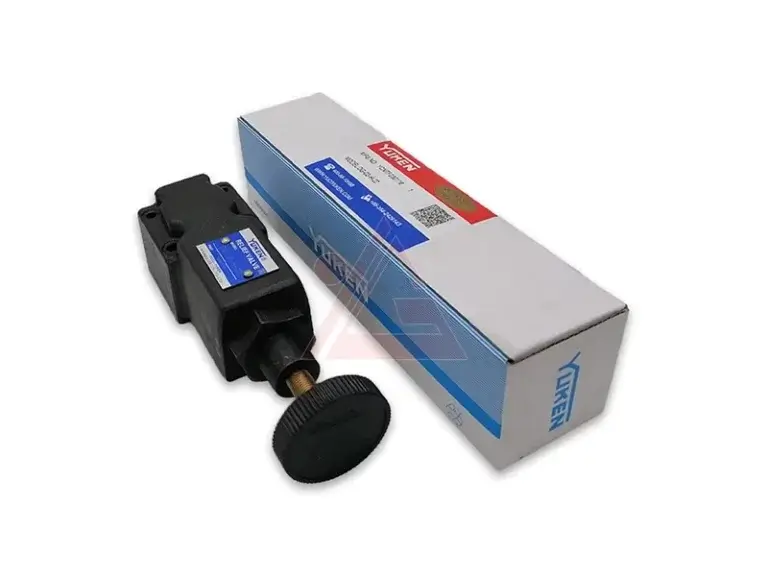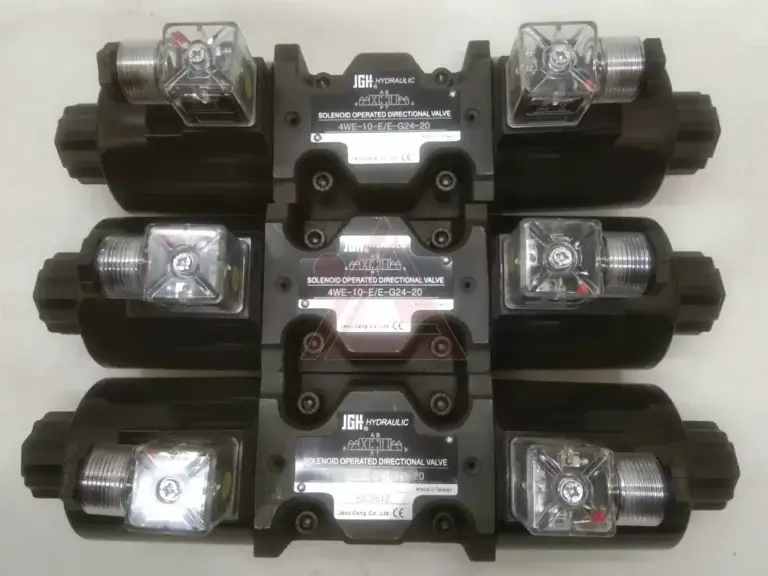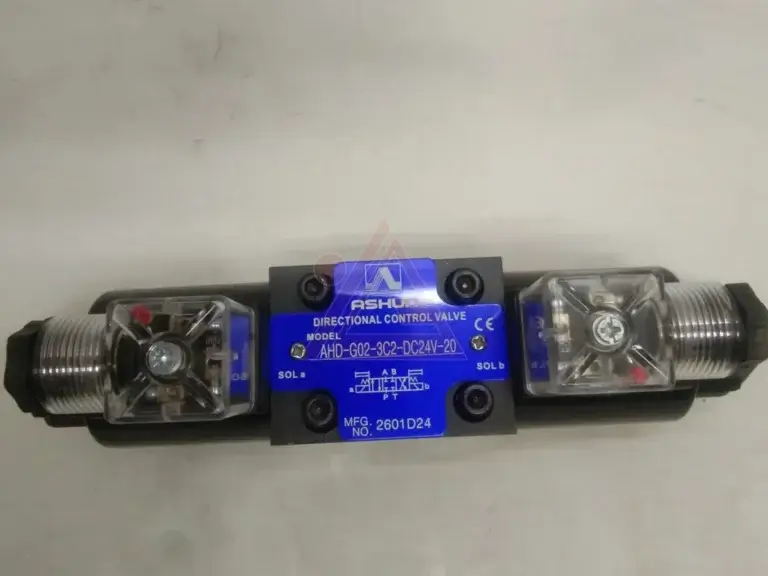
Hydraulic valves are the command centers of every hydraulic system, directing fluid flow, controlling pressure, and managing actuator speed. Understanding the various types of hydraulic valves is essential for anyone involved in designing, maintaining, or operating hydraulic equipment. From simple on-off valves to sophisticated proportional valves, the right valve selection can dramatically impact system performance, efficiency, and reliability. In this comprehensive guide, we will explore all major types of hydraulic valves, their working principles, applications, and selection criteria.
1. What Are Hydraulic Valves?
Before diving into the specific types of hydraulic valves, it is important to understand what hydraulic valves are and why they matter. Hydraulic valves are mechanical devices that control the flow, pressure, and direction of hydraulic fluid within a system. They are the essential components that allow hydraulic systems to perform precise movements, generate force, and respond to operator commands. The main types of hydraulic valves fall into three primary categories: directional control valves, pressure control valves, and flow control valves.
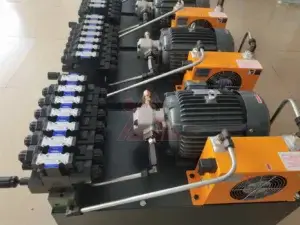
2. Directional Control Valves
Directional control valves are among the most common types of hydraulic valves. They manage the path of hydraulic fluid, determining which actuator receives fluid and in what direction. These valves start, stop, and change the direction of fluid flow.
2-Way Valves
The simplest directional control valve is the 2-way valve. This type of hydraulic valve has two ports and can be either open or closed. It is essentially an on-off switch for fluid flow.

3-Way Valves
A 3-way valve is a type of hydraulic valve with three ports. It can direct fluid to an actuator or allow fluid to exhaust. These valves are commonly used in single-acting cylinder applications.
4-Way Valves
4-way valves are the most widely used types of hydraulic valves in industrial applications. With four ports, these valves can control double-acting cylinders by directing fluid to either side of the piston while allowing the opposite side to exhaust.
Spool Valves vs. Poppet Valves
Among directional control valves, there are two main design variations: spool valves and poppet valves. Spool valves use a sliding cylindrical spool to open and close ports, making them ideal for applications requiring smooth, proportional control. Poppet valves use a poppet or ball to seal against a seat, offering excellent sealing characteristics for on-off applications.
3. Pressure Control Valves
Pressure control valves are another essential category of types of hydraulic valves. These valves regulate the pressure within a hydraulic system to protect components and ensure consistent force output.
Pressure Relief Valves
The pressure relief valve is the most common pressure control valve. This type of hydraulic valve limits the maximum pressure in a system by diverting excess fluid back to the reservoir when pressure exceeds a preset limit. Pressure relief valves are critical for preventing system damage and ensuring operator safety.
Pressure Reducing Valves
A pressure reducing valve is a type of hydraulic valve that reduces a high inlet pressure to a lower, constant outlet pressure. These valves are used to supply lower-pressure circuits from a higher-pressure source.
Sequence Valves
Sequence valves are specialized types of hydraulic valves that direct fluid to a secondary circuit only after a primary circuit has reached a set pressure. They are commonly used in systems where operations must occur in a specific order.
Counterbalance Valves
Counterbalance valves are types of hydraulic valves designed to control the motion of a load by maintaining back pressure on the actuator. They prevent loads from dropping uncontrollably and are essential in mobile equipment and lifting applications.
4. Flow Control Valves
Flow control valves are types of hydraulic valves that regulate the rate of fluid flow, directly affecting actuator speed. These valves are essential for achieving precise motion control.
Fixed Flow Control Valves
Fixed flow control valves are types of hydraulic valves that maintain a constant flow rate regardless of pressure changes. They are used in applications where consistent speed is required.
Adjustable Flow Control Valves
Adjustable flow control valves allow operators to change the flow rate manually or remotely. These types of hydraulic valves provide flexibility for applications with varying speed requirements.
Flow Divider Valves
Flow divider valves are types of hydraulic valves that divide a single flow into two or more equal or proportional flows. They are commonly used in systems with multiple actuators that must move in synchronization.
5. Specialized Hydraulic Valve Types
Beyond the three main categories, there are specialized types of hydraulic valves designed for specific applications.
Proportional Valves
Proportional valves are advanced types of hydraulic valves that provide variable control of flow and pressure proportional to an input signal. They offer precise control between fully open and fully closed positions, making them ideal for applications requiring smooth, gradual actuation.
Servo Valves
Servo valves are the most precise types of hydraulic valves. They provide extremely accurate control of flow and pressure, often used in high-performance closed-loop control systems such as flight simulators and precision machine tools.
Cartridge Valves
Cartridge valves are compact types of hydraulic valves that are inserted into a cavity within a manifold. They are highly versatile and can serve as directional, pressure, or flow control valves in a single compact package.
Check Valves
Check valves are simple types of hydraulic valves that allow fluid to flow in one direction only. They prevent backflow and maintain system pressure when the pump is off.
6. How to Select the Right Type of Hydraulic Valve
Selecting the correct types of hydraulic valves for your application requires careful consideration of several factors:
System Pressure: Ensure the valve is rated for your system’s maximum pressure.
Flow Rate: The valve must handle the required flow without excessive pressure drop.
Valve Function: Determine whether you need directional, pressure, or flow control.
Actuation Method: Manual, solenoid, pilot, or proportional control.
Mounting Configuration: Subplate, threaded, or cartridge mounting.
7. Common Applications by Valve Type
Understanding which types of hydraulic valves are used in different applications helps in selection:
| Valve Type | Common Applications |
|---|---|
| Directional Control Valve | Mobile equipment, industrial machinery, cylinder control |
| Pressure Relief Valve | Pump protection, safety circuits |
| Pressure Reducing Valve | Low-pressure sub-circuits |
| Sequence Valve | Multi-operation systems |
| Counterbalance Valve | Lifting equipment, cranes |
| Flow Control Valve | Speed control, conveyor systems |
| Proportional Valve | Injection molding, precision positioning |
| Servo Valve | Flight controls, robotic systems |
| Cartridge Valve | Compact hydraulic systems |
| Check Valve | Anti-backflow protection |
8. Maintenance and Troubleshooting
Proper maintenance of types of hydraulic valves ensures reliable operation:
Keep Fluid Clean: Contamination is the leading cause of valve failure.
Check for Leaks: Inspect valve body and connections regularly.
Monitor Temperature: Excessive heat can degrade seals and affect performance.
Test Pressure Settings: Regularly verify relief valve and pressure reducing valve settings.
9. Future Trends in Hydraulic Valve Technology
The hydraulic industry continues to evolve, with new types of hydraulic valves emerging:
Digital Valves: Valves with built-in electronics for direct digital control.
Smart Valves: Integrated sensors and IoT connectivity for condition monitoring.
Energy-Efficient Valves: Designs that minimize pressure drops and reduce energy consumption.
Conclusion
Understanding the various types of hydraulic valves is essential for anyone working with hydraulic systems. From directional control valves and pressure relief valves to flow control valves, proportional valves, and servo valves, each type of hydraulic valve serves a specific function in system control. By selecting the right valve for your application and maintaining it properly, you can achieve reliable, efficient, and precise hydraulic system performance.