A Hydraulic Cylinder is a fundamental component in countless industrial machines, converting hydraulic fluid pressure into linear force and motion. From assembly lines to heavy manufacturing, Hydraulic Cylinder technology enables precise pushing, pulling, lifting, and clamping. Understanding Hydraulic Cylinder uses in industrial machinery helps engineers select the right actuator for each application. In this guide, we will explore key industrial sectors where Hydraulic Cylinder systems play an indispensable role.
1. Machine Tools – Clamping and Feeding
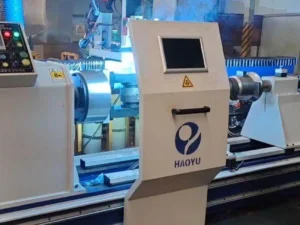
In CNC machines, lathes, and milling centers, a Hydraulic Cylinder provides reliable clamping force for workholding fixtures. The cylinder holds parts securely during cutting, preventing vibration and ensuring precision. An industrial hydraulic cylinder with low-friction seals is often specified for high repeatability tasks. These cylinders also power feeding mechanisms, such as advancing a broach or moving a tailstock. The smooth, controlled motion of a heavy duty hydraulic cylinder is essential for heavy-duty machining operations.
2. Injection Molding Machines
Plastic injection molding machines rely on Hydraulic Cylinder actuators for mold clamping, ejection, and core pulling. The clamping cylinder must generate hundreds of tons of force to keep the mold closed during injection. A double acting hydraulic cylinder is standard here, providing both clamping and opening power. The ejector cylinder pushes finished parts out of the mold. Tie rod designs are preferred because they are easy to rebuild during maintenance shutdowns.
3. Hydraulic Presses
C-frame, H-frame, and assembly presses all use Hydraulic Cylinder designs for their main ram. A tie rod hydraulic cylinder is common in smaller presses due to its serviceability, while larger presses may use a welded hydraulic cylinder for greater shock resistance. The cylinder delivers the force needed for stamping, forming, riveting, and pressing operations. Position sensors can be integrated for closed-loop control, making the Hydraulic Cylinder a precision actuator.
4. Material Handling Equipment
Conveyor systems, scissor lifts, and transfer stations use Hydraulic Cylinder units for diverter gates, stoppers, pallet positioning, and lifting. A compact hydraulic cylinder fits into tight spaces while providing strong push or pull force. In automated warehouses, cylinders push cartons onto pallets or raise platforms to ergonomic heights. The availability of standard seal kits and NFPA dimensions makes replacement and repair straightforward.
5. Automation and Robotics
Industrial robots and work cells use Hydraulic Cylinder actuators for end-of-arm tooling, part clamping, and ejection. A Hydraulic Cylinder can apply consistent force for gripping delicate parts or high force for heavy components. Indexing tables may use a cylinder to drive a ratchet mechanism. Because automation systems cycle millions of times, the repairability of tie rod cylinders is a major advantage.

6. Packaging Machinery
Carton sealers, pallet wrappers, and case erectors use Hydraulic Cylinder units for pushing, lifting, and compressing actions. A small Hydraulic Cylinder with short stroke and small bore is common here. The cylinder might compress a stack of boxes before strapping or push finished packs onto a pallet. The low cost and standardized mounting of tie rod cylinders make them ideal for packaging equipment manufacturers.
7. Foundry and Die-Casting Machines
In foundries, Hydraulic Cylinder actuators operate core pullers, shot sleeves, and part extractors. Die-casting machines use large cylinders for clamping and injection. Extreme heat and dust require high-temperature seals and chromed rods. A Hydraulic Cylinder with Viton seals and heat shields can withstand the harsh environment. Tie rod construction allows quick seal replacement during scheduled downtime.
8. Custom and Special-Purpose Machinery
Many special purpose machines are built around Hydraulic Cylinder actuators. Examples include riveting machines, press fit stations, test stands, and sorting equipment. Because NFPA dimensions are standardized, a standard Hydraulic Cylinder from any major manufacturer will fit the same mounts, simplifying design and spare parts stocking.
9. Why Hydraulic Cylinders Dominate Industrial Machinery
Several factors explain the widespread use of Hydraulic Cylinder designs in industry:
High force density: Large force from a compact package.
Smooth motion: Infinitely variable speed control.
Overload protection: Relief valves prevent damage.
Reliability: Long service life with proper maintenance.
For most industrial applications where extreme shock loads are absent, a Hydraulic Cylinder offers the best balance of performance, price, and maintainability.
10. Selecting the Right Hydraulic Cylinder
When choosing a Hydraulic Cylinder for an industrial machine, consider bore size, rod diameter, stroke length, mounting style, operating pressure, seal material, and rod coating. Many applications benefit from custom port threads or integrated sensors, but standard off-the-shelf units suffice for most.
Conclusion
Hydraulic Cylinder uses in industrial machinery span from machine tools and injection molding to presses, material handling, automation, packaging, foundries, and custom equipment. Whether you need an industrial hydraulic cylinder, heavy duty hydraulic cylinder, double acting hydraulic cylinder, tie rod hydraulic cylinder, welded hydraulic cylinder, or compact hydraulic cylinder, this technology delivers reliable, cost-effective linear motion. By matching the cylinder type to your specific machine requirements, you ensure long life and minimal downtime.