A hydraulic press machine is one of the most powerful tools in manufacturing, used for forging, stamping, bending, forming, and pressing operations. At the heart of every hydraulic press is the Hydraulic Cylinder, which converts hydraulic fluid pressure into linear force. Understanding Hydraulic Cylinder uses in hydraulic press machines helps engineers select the right cylinder type, size, and configuration for specific applications. In this guide, we will explore how different Hydraulic Cylinder designs function within press machines and why they are indispensable.
1. The Role of Hydraulic Cylinders in Press Machines
A hydraulic press machine generates compressive force through a Hydraulic Cylinder that pushes a ram or platen against a workpiece. The cylinder is connected to a hydraulic power unit that supplies pressurized oil. When the pump directs oil into the cylinder’s cap end, the piston extends and applies force. The amount of force is determined by the cylinder bore area and the system pressure (F = P × A). For high-force applications, the Hydraulic Cylinder may have a bore diameter exceeding one meter and operate at pressures over 5,000 psi. Without reliable Hydraulic Cylinder systems, modern press operations would be impossible.
2. Single-Acting Hydraulic Press Cylinders
Many hydraulic presses use a single-acting hydraulic press cylinder where hydraulic pressure is applied only to one side of the piston – typically the cap end for the working stroke. The return stroke is accomplished by gravity, springs, or the weight of the moving platen. Single-acting cylinders are simpler, have fewer seals, and are less expensive. They are commonly found in small workshop presses, C-frame presses, and manual hydraulic presses. The Hydraulic Cylinder in such designs extends under pressure and retracts passively when pressure is released.
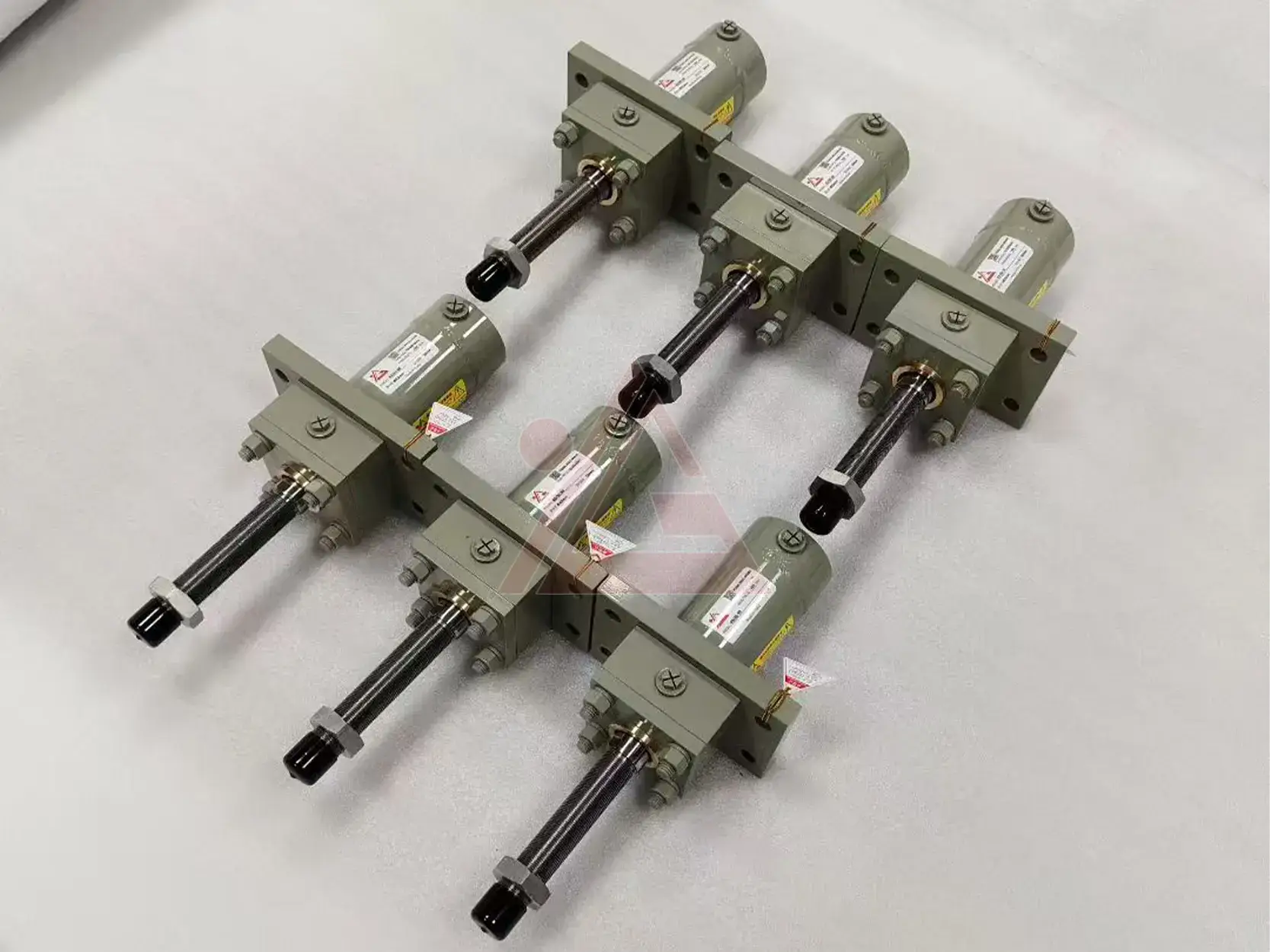
3. Double-Acting Hydraulic Cylinders in Presses
For applications requiring powered retraction or precise control in both directions, manufacturers choose a double-acting hydraulic cylinder in press. These cylinders have ports on both the cap end and the rod end. Pressurized oil directed to the cap end extends the ram; oil directed to the rod end retracts it. Double-acting Hydraulic Cylinder designs are essential in high-speed production presses, hydraulic forging presses, and presses with moving tables. They allow faster cycle times and enable active pull-ack actions such as stripping a part from a die.
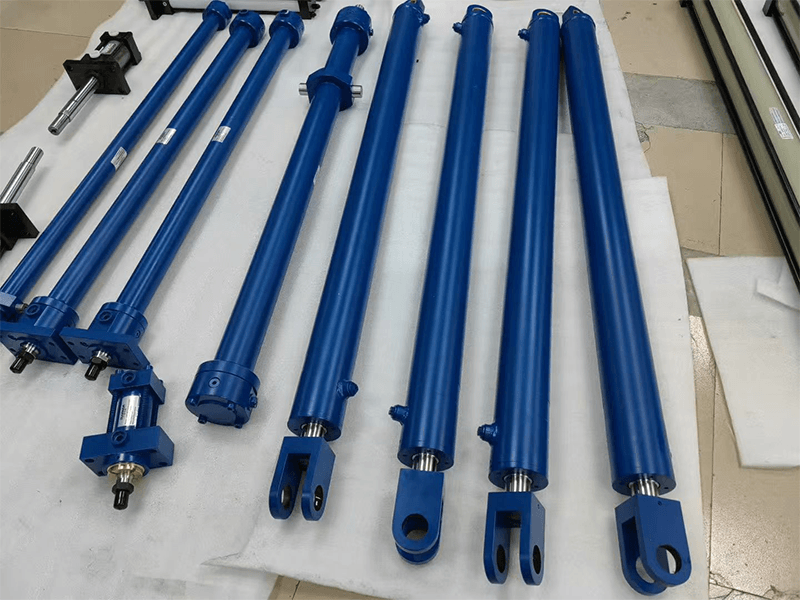
4. Hydraulic Cylinders for High Tonnage Press Applications
When presses are rated for hundreds or thousands of tons, standard cylinders are inadequate. A hydraulic cylinder for high tonnage press applications features extra-thick barrel walls, massive piston rods, heavy-duty bearings, and specially designed seals to withstand extreme pressures and shock loads. For example, a 5,000-ton forging press may use multiple large-bore Hydraulic Cylinder units arranged in parallel. These cylinders are often custom-built with induction-hardened rods, PTFE-filled wear rings, and integrated load cells for force monitoring.
5. Types of Hydraulic Cylinders Used in Hydraulic Presses
There are several types of hydraulic cylinders used in hydraulic presses, each suited to a specific press design:
Tie-rod cylinders: Easy to repair, common in smaller industrial presses.
Welded cylinders: More compact, higher shock resistance, used in heavy-duty presses.
Telescopic cylinders: For long stroke in a short retracted length, used in some deep-drawing presses.
Plunger cylinders (ram cylinders): Simple construction, no piston, used in single-acting presses.
Choosing the correct Hydraulic Cylinder type affects maintenance cost, footprint, and performance.
6. Hydraulic Cylinders in C-Frame and H-Frame Press Machines
Two common press configurations are C-frame (gap frame) and H-frame (four-column). A hydraulic cylinder in C-frame and H-frame press machines must be mounted securely to resist off-center loads. In a C-frame press, the cylinder is typically mounted vertically at the top of the frame, and the ram extends downward. The Hydraulic Cylinder must be guided accurately to prevent binding. In an H-frame press, two or four columns guide the moving platen, and the cylinder is centered in the crown. These designs often use large-bore, double-acting hydraulic cylinder units to provide both pressing force and rapid return.
7. Control and Safety Features
Modern hydraulic presses integrate valves, accumulators, and electronic controls to manage Hydraulic Cylinder motion. Proportional valves allow smooth ram speed control; pressure sensors provide feedback for force limiting. Safety features include pressure relief valves, anti-drop valves, and light curtains. A well-designed Hydraulic Cylinder circuit ensures that the press stops immediately if a safety device is triggered.
8. Maintenance Tips for Press Hydraulic Cylinders
To keep a Hydraulic Cylinder in a hydraulic press operating efficiently:
Regularly check rod surface for scratches, nicks, or chrome damage.
Inspect seals for external leakage; replace seal kits at recommended intervals.
Keep hydraulic fluid clean and at proper viscosity.
Verify that mounting bolts and tie rods are torqued correctly.
Monitor cylinder speed – a slowdown may indicate internal bypass.
Conclusion
From simple shop presses to massive forging units, the Hydraulic Cylinder is the essential force-generating component. Specialized designs such as the single-acting hydraulic press cylinder, double-acting hydraulic cylinder in press, hydraulic cylinder for high tonnage press applications, understanding types of hydraulic cylinders used in hydraulic presses, and the hydraulic cylinder in C-frame and H-frame press machines all demonstrate the versatility of this technology. By selecting the right Hydraulic Cylinder for your press machine, you can achieve higher productivity, better part quality, and longer equipment life. Proper maintenance ensures that your Hydraulic Cylinder continues to deliver reliable force for years.