Machine tools are the backbone of precision manufacturing. From lathes and milling machines to grinders and presses, these machines shape metal, plastic, and other materials into finished parts. Behind many of their clamping, feeding, positioning, and tool-changing actions is a Hydraulic Cylinder. Unlike pneumatic or electric actuators, a Hydraulic Cylinder provides extremely high force in a compact package, smooth motion, and excellent controllability. Understanding Hydraulic Cylinder uses in machine tools helps engineers design more efficient production lines and maintenance teams troubleshoot common issues. In this guide, we will explore how different machine tool applications rely on Hydraulic Cylinder technology.
1. Clamping and Workholding
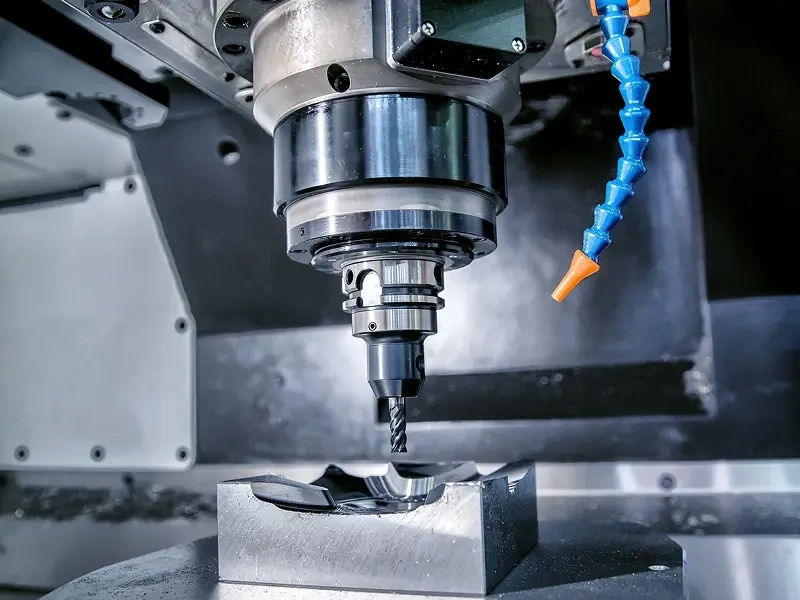
One of the most critical functions in any machining operation is securely holding the workpiece. Hydraulic Cylinder units provide powerful, repeatable clamping force. A hydraulic clamping cylinder can be integrated into fixtures, vises, or pallets. When hydraulic pressure is applied, the cylinder extends and clamps the part with consistent force, eliminating vibration and ensuring dimensional accuracy. These cylinders are often small-bore but operate at high pressure (up to 5000 psi). Compared to manual clamps, hydraulic clamping reduces setup time and improves safety.
2. Tool Changing and Turret Indexing
Automatic tool changers (ATCs) and turret lathes use Hydraulic Cylinder actuators to swap cutting tools rapidly. A rotary hydraulic cylinder is a special type that converts hydraulic pressure into rotary motion for indexing turrets or rotating tool magazines. Combined with linear cylinders, it allows precise positioning of heavy tool holders. The smooth, damped motion of a Hydraulic Cylinder prevents tool damage during high-speed changes.
3. Axis Feeding and Positioning
Heavy-duty machine tools such as planers, large milling machines, and broaching machines use Hydraulic Cylinder systems for axis feed. A Hydraulic Cylinder can push a heavy table or saddle with consistent speed regardless of load variations. This is especially useful in broaching, where a Hydraulic Cylinder pulls or pushes a broach through a workpiece at a controlled rate. While many CNC machines now use ball screws driven by servomotors, large or high-force applications still rely on hydraulic cylinders due to their superior force density.
4. Hydraulic Cylinder in CNC Machining
CNC machining centers often integrate Hydraulic Cylinder actuators for secondary functions such as clamping, unclamping, and tailstock movement. A hydraulic cylinder in CNC machining may be used to actuate a hydraulic chuck or to move a steady rest. Because CNC machines require high positioning accuracy, these cylinders are often equipped with linear transducers (position sensors) that feed back to the CNC controller. This closed loop control allows the Hydraulic Cylinder to stop at any point with millimeter precision.
5. Machine Tool Hydraulic System Components
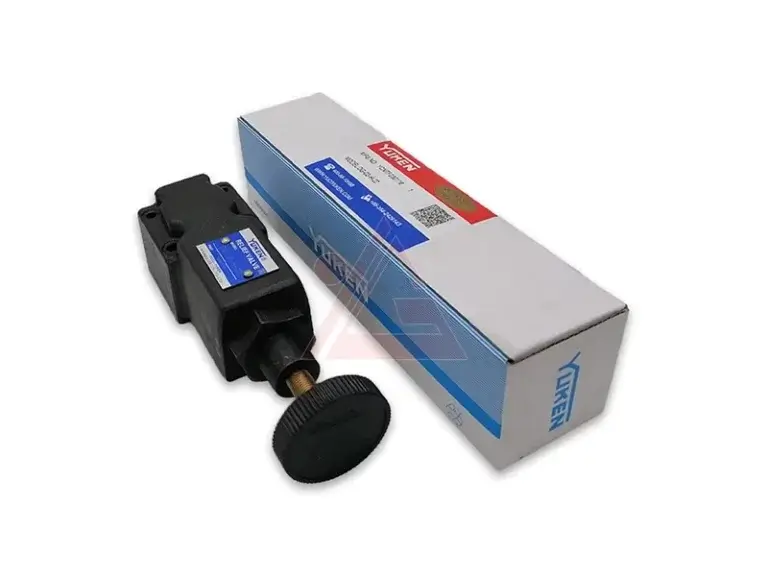
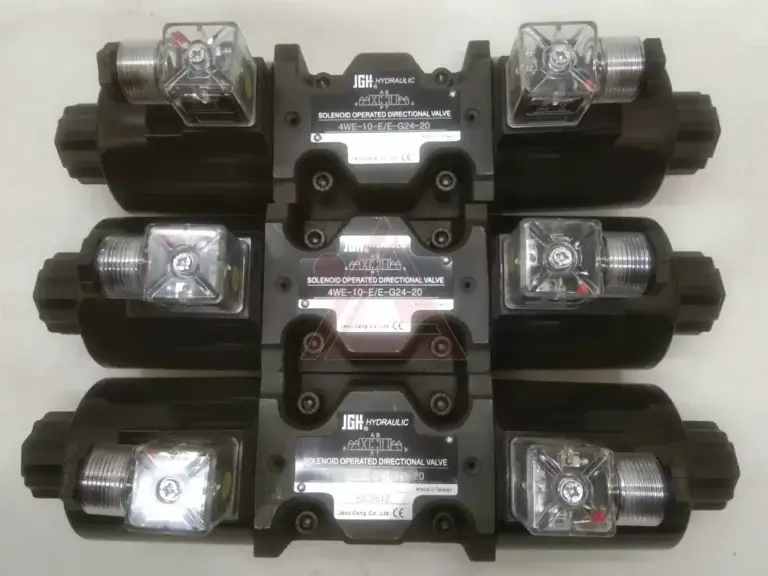
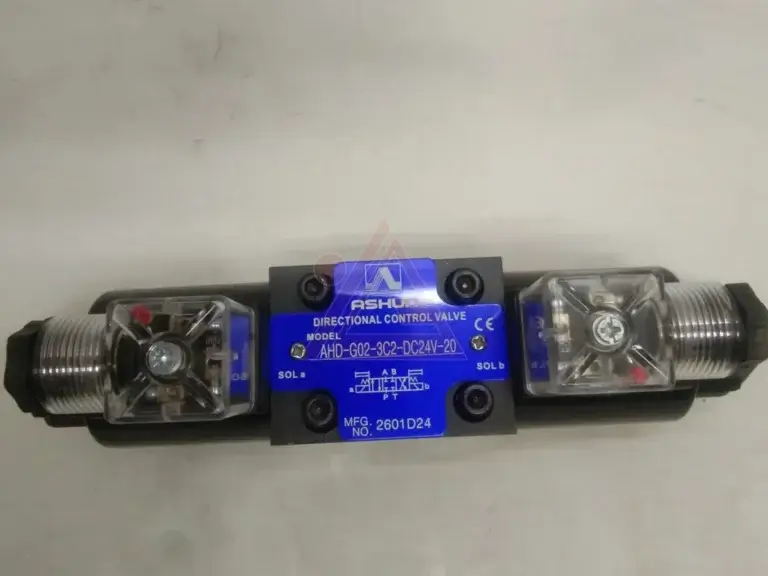
A complete hydraulic system on a machine tool includes not only cylinders but also pumps, valves, filters, accumulators, and piping. Understanding machine tool hydraulic system components helps technicians diagnose problems. The Hydraulic Cylinder is the final actuator, but its performance depends on clean oil, proper pressure settings, and correctly sized valves. Common components include pressure relief valves, directional control valves, flow control valves, and servo valves for precise speed control.
6. Tie Rod Hydraulic Cylinder vs Welded Cylinder
When choosing a Hydraulic Cylinder for a machine tool, engineers often compare tie rod hydraulic cylinder vs welded cylinder. Tie-rod cylinders have external rods holding the end caps; they are easier to disassemble and repair, making them popular in industrial machinery. Welded cylinders have the barrel welded to the end caps, offering a more compact footprint and higher resistance to shock loads. For most stationary machine tools, tie-rod cylinders are sufficient, but heavy-duty applications such as forging presses may prefer welded designs.
7. Custom and OEM Hydraulic Cylinders for Machine Tools
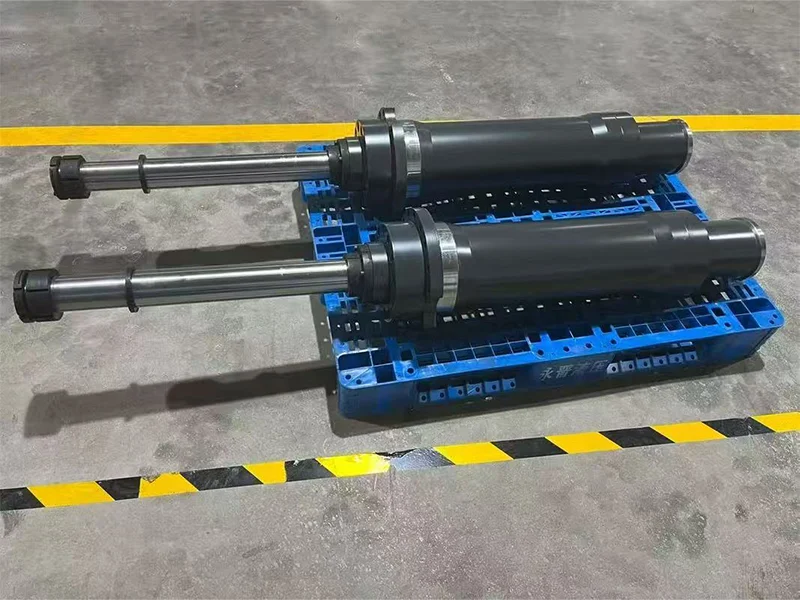
Machine tool builders often require non-standard mounting dimensions, special rod coatings, or integrated sensors. An OEM hydraulic cylinder for machine tool is designed to fit a particular machine model perfectly. OEM cylinders ensure correct port locations, mounting hole patterns, and seal materials compatible with the machine’s hydraulic fluid. Using genuine or high-quality replacement cylinders from a reputable manufacturer reduces downtime and maintains accuracy.
8. Maintenance Tips for Hydraulic Cylinders in Machine Tools
To maximize the service life of a Hydraulic Cylinder in a machine tool:
Keep hydraulic fluid clean (ISO 16/13/10 or better).
Inspect rod seals and wipers regularly for leaks or hardening.
Check for rod scoring – even minor scratches will damage new seals.
Monitor cylinder speed; slow operation may indicate internal bypass or a worn pump.
Replace cylinder seals according to the machine builder’s schedule.
Conclusion
From clamping and tool changing to axis feeding and custom designs, the Hydraulic Cylinder plays an indispensable role in modern machine tools. Specialized types such as the hydraulic cylinder in CNC machining, rotary hydraulic cylinder, hydraulic clamping cylinder, and the comparison tie rod hydraulic cylinder vs welded cylinder highlight the versatility of this technology. Understanding machine tool hydraulic system components helps in specifying the right cylinder, while using an OEM hydraulic cylinder for machine tool ensures perfect fit and reliability. By appreciating Hydraulic Cylinder uses in machine tools, manufacturers can achieve higher productivity, better surface finishes, and longer equipment life.