A Hydraulic Rotary Cylinder is a specialized actuator that converts hydraulic fluid pressure into rotational motion, rather than the linear motion produced by standard hydraulic cylinders. Also known as a hydraulic rotary actuator or hydraulic swing cylinder, a Hydraulic Rotary Cylinder provides controlled angular movement – typically up to 360 degrees or more – for applications requiring turning, positioning, or oscillating actions. These cylinders are widely used in automation, robotics, machine tools, construction equipment, and marine systems. In this guide, we will explain what a Hydraulic Rotary Cylinder is, how it works, its common types, key applications, and selection considerations.
1. What Is a Hydraulic Rotary Cylinder? Basic Definition
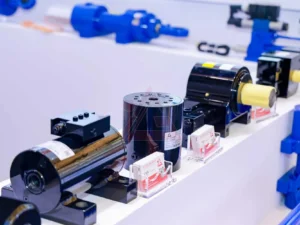
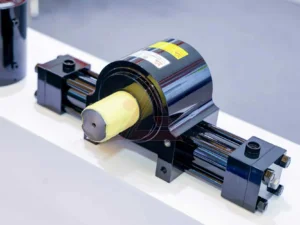
A Hydraulic Rotary Cylinder is a hydraulic device that uses pressurized fluid to rotate a shaft, flange, or table. Unlike a standard hydraulic cylinder that pushes or pulls in a straight line, a Hydraulic Rotary Cylinder creates torque – a twisting force – around a central axis. The rotation angle can range from a few degrees to multiple full turns, depending on the design. Common names for a Hydraulic Rotary Cylinder include rotary actuator, swing cylinder, and rotary vane actuator. These devices are essential wherever linear motion must be converted into rotary motion or when direct rotation is required.
2. How Does a Hydraulic Rotary Cylinder Work?
The operating principle of a Hydraulic Rotary Cylinder depends on its internal design. The two most common types are:
Vane Type Rotary Actuator: A vane (or multiple vanes) is attached to a central shaft inside a cylindrical housing. Pressurized fluid enters the chamber, pushing against the vane and causing the shaft to rotate. The vane rotates within a limited angle (typically up to 280 degrees). The torque output is proportional to the pressure and the effective area of the vane.
Helical (Rack and Pinion) Rotary Actuator: A piston with a rack (gear teeth) moves linearly, driving a pinion gear attached to the output shaft. The linear motion of the piston is converted into rotational motion. This design can produce full 360-degree rotation or more, and often delivers higher torque than vane types.
Both designs form the core of a Hydraulic Rotary Cylinder system, with the choice depending on torque, angle, and space requirements.
3. Key Components of a Hydraulic Rotary Cylinder
A typical Hydraulic Rotary Cylinder consists of:
Housing: The outer body that contains the internal mechanism and fluid.
Output Shaft: The rotating element that delivers torque to the load.
Vane or Piston/Rack: The internal component that converts fluid pressure into rotary force.
Seals: Prevent internal and external leakage while maintaining pressure.
Ports: Entry and exit points for pressurized hydraulic fluid.
Bearings: Support the shaft and reduce friction.
4. Types of Hydraulic Rotary Cylinders
There are several variations of Hydraulic Rotary Cylinder designs:
Limited Angle Rotary Cylinder: Provides rotation up to 280 degrees (vane type). Common in clamping, indexing, and valve actuation.
Continuous Rotation Rotary Cylinder: Allows unlimited rotation (helical or multiple vane designs). Used in winch drives and conveyor systems.
Single Vane Rotary Cylinder: Simple design, moderate torque, limited rotation angle.
Double Vane Rotary Cylinder: Two vanes provide higher torque but reduced rotation angle (typically less than 100 degrees).
Rack and Pinion Rotary Cylinder: High torque, full 360-degree rotation, compact design.
5. Common Applications of Hydraulic Rotary Cylinders
The Hydraulic Rotary Cylinder is used across many industries:
Industrial Automation: Robotic wrist rotation, indexing tables, and part orienting.
Machine Tools: Tool turret indexing, worktable rotation, and spindle clamping.
Construction Equipment: Swing functions in excavators, crane slewing, and auger drives.
Marine and Offshore: Steering gear, hatch cover operation, and winch control.
Material Handling: Conveyor diverter gates, pallet turntables, and lift table rotation.
Valve Actuation: Quarter-turn valve operation in oil and gas pipelines.
6. Advantages of Hydraulic Rotary Cylinders
Why choose a Hydraulic Rotary Cylinder over electric or pneumatic rotary actuators?
High Torque Density: Delivers high torque in a compact package.
Smooth, Controllable Motion: Hydraulic flow control allows precise speed regulation.
Holding Capability: Can hold position against external loads without continuous power (using check valves).
Overload Protection: Built-in relief valves prevent damage.
Durability: Suitable for harsh environments.
7. Selection Criteria for Hydraulic Rotary Cylinders
When selecting a Hydraulic Rotary Cylinder, consider:
Torque Requirement: Calculate the required torque based on load and radius.
Rotation Angle: Determine whether limited angle or continuous rotation is needed.
Operating Pressure: Match to your hydraulic system pressure.
Mounting Style: Flange, foot, or shaft mount.
Environment: Corrosion resistance for marine or chemical applications.
Seal Material: Compatibility with hydraulic fluid and temperature range.
8. Maintenance Tips
To keep a Hydraulic Rotary Cylinder operating reliably:
Check for external leaks regularly.
Inspect the shaft for scoring or corrosion.
Monitor hydraulic fluid cleanliness.
Replace seals at recommended intervals.
Lubricate bearings as per manufacturer schedule.
Conclusion
A Hydraulic Rotary Cylinder is a powerful, compact actuator that converts hydraulic energy into smooth, controllable rotary motion. Whether you need a vane type rotary actuator, rack and pinion rotary cylinder, limited angle rotary cylinder, continuous rotation cylinder, high torque rotary cylinder, or compact rotary actuator, understanding this technology ensures correct selection and reliable operation. By choosing the right Hydraulic Rotary Cylinder for your application, you achieve precise angular positioning, high torque density, and long service life.