A Heavy Duty Hydraulic Cylinder is engineered to withstand extreme conditions, but even the most robust design will eventually experience failures if not properly maintained or if subjected to unanticipated loads. Understanding common failure modes is the first step in prevention. In this guide, we will explore the most frequent failure mechanisms affecting a Heavy Duty Hydraulic Cylinder, their root causes, and practical solutions to extend service life. For a fundamental introduction to this cylinder type, see our guide on What Is a Heavy Duty Hydraulic Cylinder.
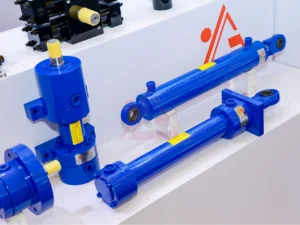
1. External Leakage at the Gland and Fittings
External leakage is the most visible failure mode. Oil seeping from the rod gland or port fittings indicates worn seals, loose connections, or damaged rod surfaces. For a mining heavy cylinder operating in dusty environments, abrasive particles can accelerate gland seal wear. A steel mill cylinder exposed to radiant heat may suffer from seal hardening, leading to leakage. Solution: replace seals promptly, re-torque fittings, and inspect the rod surface.
2. Rod Surface Scoring and Chrome Flaking
The piston rod of a Heavy Duty Hydraulic Cylinder is vulnerable to scoring from debris, misalignment, or inadequate lubrication. Scratches allow fluid to bypass the rod seal, causing leakage. Chrome flaking occurs when the rod coating fails due to corrosion or impact. For a construction heavy cylinder used in muddy conditions, debris is a constant threat. Regular rod inspection and polishing of minor scratches are essential. Deep gouges require rod re-chroming or replacement.
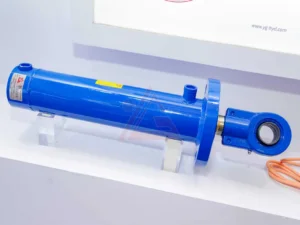
3. Barrel Scoring and Pitting
Internal scoring of the cylinder barrel compromises seal performance and increases internal leakage. Pitting results from corrosion or water contamination in the hydraulic fluid. A hydraulic press cylinder that cycles at high speeds may develop barrel scoring from inadequate lubrication. Solution: maintain clean fluid, use appropriate filters, and hone the barrel if damage is limited.
4. Bent or Broken Piston Rods
Bent rods are a severe failure mode caused by side loading, misalignment, or impact. A bent rod will damage seals, cause erratic movement, and may lead to catastrophic failure. For an oilfield cylinder subjected to unpredictable shock loads, rod bending is a known risk. Prevention: ensure proper alignment, use larger rod diameters, and avoid side loading.
5. Mounting Bolt Loosening or Breakage
Vibration and shock loads can loosen mounting bolts, leading to misalignment and accelerated seal wear. In extreme cases, bolts can fracture. For a heavy equipment cylinder on excavators or loaders, regular torque checks are critical. Re-torque bolts to manufacturer specification and apply threadlocker on critical fasteners.
6. Internal Leakage (Piston Seal Failure)
Internal bypass occurs when the piston seal wears out, allowing oil to flow from one side of the piston to the other. This reduces force output, causes cylinder drift, and generates excess heat. For a forging press cylinder that must hold position under high pressure, internal leakage is a serious performance issue. Solution: replace the piston seal and inspect the piston for wear.
7. Seal Extrusion and Blow-Out
Seals can be forced out of their grooves under extreme pressure spikes or when backup rings are missing. Extruded seals cause sudden leakage and system pressure loss. A heavy duty cylinder for scrap balers operating at high pressures is particularly susceptible. Prevention: install proper backup rings, use pressure relief valves, and avoid pressure surges.
8. Piston Rod Corrosion
Corrosion pitting on the rod surface leads to seal damage and leakage. This is common in applications with exposure to moisture, saltwater, or chemicals. A marine heavy cylinder used on offshore platforms must have corrosion-resistant coatings to survive. Solution: use stainless steel or nickel-chromium coated rods and keep the rod surface clean and dry.
9. Wear Ring Failure
Wear rings (bearings) support the piston and rod, preventing metal-to-metal contact. When wear rings degrade, side loads cause scoring and seal failure. For a mining heavy cylinder with high side loads, wear rings are critical. Replace wear rings during routine seal replacement.
10. Fluid Contamination and Overheating
Contaminated fluid accelerates wear on seals, rods, and barrels. Overheating reduces fluid viscosity and damages seals. Both are common failure contributors in heavy duty applications. Prevention: maintain clean fluid, replace filters regularly, and install cooling systems if needed.
11. Prevention Strategies
To minimize failures in a Heavy Duty Hydraulic Cylinder:
Perform daily visual inspections.
Keep fluid clean and at correct temperature.
Re-torque mounting bolts periodically.
Replace seals at scheduled intervals.
Use quality replacement parts.
Monitor rod surface for damage.
Conclusion
Failure modes in a Heavy Duty Hydraulic Cylinder range from external leaks and rod damage to internal bypass, corrosion, and mounting failures. Whether you use a mining heavy cylinder, steel mill cylinder, construction heavy cylinder, hydraulic press cylinder, oilfield cylinder, or heavy equipment cylinder, understanding these failure mechanisms helps you implement effective prevention and maintenance programs. For foundational knowledge, revisit What Is a Heavy Duty Hydraulic Cylinder. Proactive care ensures your cylinders deliver maximum service life and reliability.