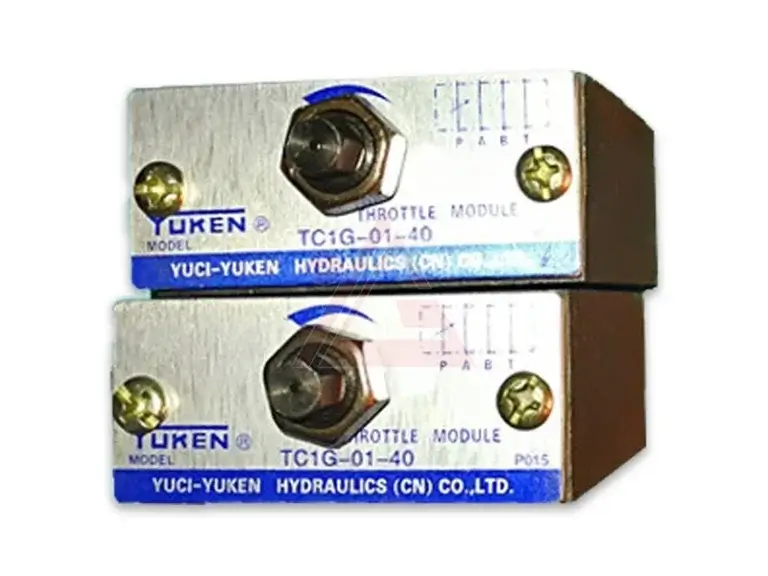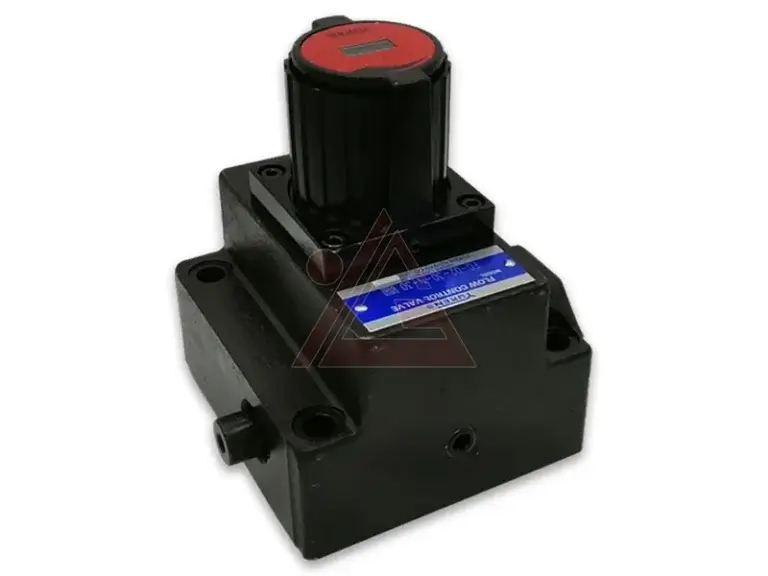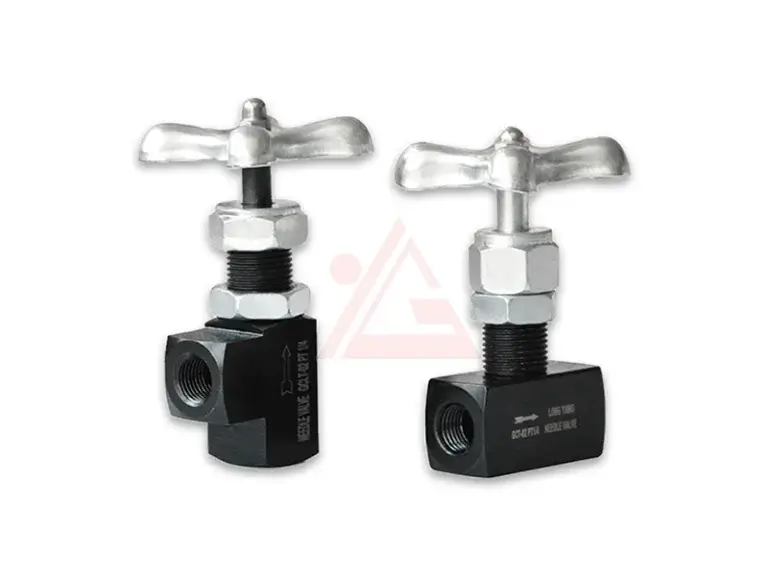
A pressure control valve is the pressure management center of any hydraulic system. It protects components from overpressure, maintains reduced pressure in sub-circuits, controls actuator sequencing, and manages overrunning loads. When a pressure control valve malfunctions, the entire system can suffer from poor performance, erratic operation, overheating, or complete failure.
Understanding how to troubleshoot common pressure control valve failures is an essential skill for maintenance technicians, engineers, and equipment operators. In this comprehensive guide, we will explore the most frequent pressure control valve failure modes, their root causes, diagnostic techniques, and practical solutions to restore system performance.
1. Understanding Pressure Control Valve Failures
Before diving into specific failures, it is important to understand why a pressure control valve fails. The most common causes include contamination, wear, incorrect adjustment, fatigue, and improper installation.
Common Symptoms of Pressure Control Valve Failure
Erratic cylinder movement – Uneven or jerky motion
Slow actuator speed – Reduced cylinder speed
Overheating system – Excessive heat generation
Pressure loss – System cannot reach required pressure
Unusual noise – Whining, squealing, or chattering
Cylinder drift – Cylinder moves when valve is in neutral
Inability to hold load – Load drops or drifts
2. Safety Precautions Before Troubleshooting
Before inspecting any pressure control valve, follow these critical safety steps:
Relieve System Pressure: Always depressurize the system completely before disconnecting any fittings or removing a valve.
Lock Out/Tag Out: Follow proper lockout/tagout procedures to prevent accidental system startup.
Wear PPE: Use safety glasses, gloves, and protective clothing to guard against high-pressure fluid injection hazards.
Contain Fluid: Have absorbent materials and drip pans ready to capture any spilled hydraulic fluid.
3. Tools Needed for Pressure Control Valve Troubleshooting
To properly diagnose a pressure control valve, you will need:
Pressure Gauge: For measuring system and valve port pressures
Flow Meter: To measure flow rates through the valve
Temperature Gun: For detecting hot spots indicating internal leakage
Multimeter: For testing solenoid coils and electrical connections
Manual Tools: Wrenches, hex keys, and screwdrivers for adjustment and disassembly
Cleaning Supplies: Lint-free cloths and appropriate cleaning solvents
4. Failure Mode: Sticking Valve Spool
A sticking spool is one of the most common pressure control valve problems. The spool may stick due to contamination, varnish buildup, or mechanical damage.
Symptoms
Erratic or jerky cylinder movement
Delayed valve response
Pressure control valve fails to shift completely
System pressure fluctuates unpredictably
Diagnostic Steps
- Check the valve for smooth manual operation
- Measure pilot pressure (if applicable) to ensure adequate shifting force
- Inspect solenoid valves for proper electrical signals
- Check fluid condition for signs of contamination or degradation
Solutions
Flush the pressure control valve with clean fluid to remove debris
Disassemble and clean the spool and valve body using appropriate solvents
Replace the valve if scoring or excessive wear is found
Improve filtration to prevent future contamination
5. Failure Mode: Internal and External Leakage
Leakage is a frequent pressure control valve problem. Internal leakage reduces efficiency and causes overheating. External leakage creates safety hazards and fluid loss.
Symptoms
Cylinder drift when valve is centered
System overheating
Visible oil around the valve body
Pressure drop in the system
Pressure control valve fails to maintain set pressure
Diagnostic Steps
- Test the pressure relief valve using a flow meter to measure internal leakage
- Inspect the valve body and fittings for external oil seepage
- Check seal condition and spool-to-bore clearance
- Measure temperature differences across the valve – hot spots indicate internal bypass

Solutions
Replace worn seals and O-rings in the valve
Rebuild the pressure reducing valve with new spool and sleeve assemblies if necessary
Tighten loose fittings or replace damaged tubing
For severe wear, replace the entire pressure control valve
6. Failure Mode: Incorrect Pressure Setting
An incorrectly set pressure control valve can cause system underperformance or component damage.
Symptoms
Pressure relief valve set too low – cylinder lacks force, system overheats
Pressure relief valve set too high – risk of equipment damage, hose bursts, or seal failure
Pressure reducing valve set incorrectly – sub-circuit pressure too high or too low
Diagnostic Steps
- Connect a pressure gauge at the valve’s location
- Compare actual pressure to the required setting
- Check if the valve has drifted from its original setting due to spring fatigue or vibration
Solutions
Adjust the pressure control valve to the correct setting using the manufacturer’s specifications
Replace the spring if it has weakened or fatigued
Apply thread-locking compound to lock nuts to prevent vibration-induced drift
Document the new setting for future reference
7. Failure Mode: Contamination-Related Failures
Contamination is the leading cause of pressure control valve failure. Particles wear internal components and cause valves to stick or leak.
Symptoms
Intermittent valve operation
Reduced system efficiency
Frequent seal failures
Pressure instability
Diagnostic Steps
- Take a fluid sample for analysis (ISO particle count)
- Inspect the valve for visible wear or debris
- Check filter condition and change intervals
- Solutions
Change hydraulic fluid and filters
Install finer filtration if contamination levels are high
Rebuild the pressure control valve with new seals and wear components
Install a kidney loop filtration system for critical applications
8. Failure Mode: Spring Fatigue and Breakage
Springs in a pressure control valve are subject to fatigue over millions of cycles.
Symptoms
Pressure relief valve opens at a lower pressure than setting
Pressure reducing valve fails to maintain consistent downstream pressure
Valve response becomes slow or sluggish
Diagnostic Steps
- Measure pressure at the valve
- Compare to original factory setting
- Inspect spring for visible signs of fatigue, corrosion, or breakage
Solutions
Replace the spring with an OEM-approved replacement
Verify new spring force matches the original specification
If the valve body is worn, replace the entire pressure control valve
9. Failure Mode: Pilot Flow and Drain Line Issues
For pilot-operated pressure control valve types, drain line restrictions or blockages can cause malfunction.
Symptoms
Pressure relief valve chatters or fails to open
Pressure reducing valve fails to maintain pressure
Unstable system pressure
Diagnostic Steps
- Check the drain line for restrictions or blockages
- Ensure the drain line is not shared with other valves
- Verify the drain line is of adequate size and length
Solutions
Clear any blockages in the drain line
Route the drain line directly to the reservoir
Ensure the drain line is not subjected to back pressure
10. Failure Mode: Solenoid and Electrical Issues
For solenoid-operated pressure control valve types, electrical problems are a common failure point.
Symptoms
Valve does not shift when energized
Intermittent valve operation
Coil is hot to the touch
Diagnostic Steps
- Check voltage at the solenoid coil (should match the rating)
- Measure coil resistance – an open or short indicates a bad coil
- Inspect connectors and wiring for damage or corrosion
Solutions
Replace the solenoid coil if defective
Repair or replace damaged wiring and connectors
Ensure the controller is providing the correct signal
11. Step-by-Step Troubleshooting Procedure
Follow this systematic approach for any pressure control valve issue:
- Identify the Problem:Define exactly what is wrong (pressure too high, pressure too low, erratic operation, etc.)
- Safety First:Depressurize the system and follow safety protocols
- Visual Inspection:Look for leaks, damage, loose connections, and incorrect adjustments
- Pressure Check:Connect a pressure gauge and compare actual readings with specifications
- Flow Check:Verify the valve is passing the correct flow rate
- Temperature Check:Check for hot spots indicating internal leakage
- Clean and Adjust:Clean the valve, adjust to correct setting, and test
- Replace if Necessary:If the valve cannot be repaired, replace it
12. Preventative Maintenance for Pressure Control Valves
Preventing failures is better than troubleshooting them. Regular maintenance of your pressure control valve includes:
Keep Fluid Clean: Maintain proper filtration and change filters regularly
Monitor Fluid Temperature: Keep operating temperatures within recommended ranges
Inspect Regularly: Check for leaks, unusual noise, and proper operation of every valve
Test Pressure Settings: Verify pressure relief valve and pressure reducing valve settings periodically
Schedule Rebuilds: Rebuild critical pressure control valve types before they fail
Record Keeping: Log maintenance activities and pressure settings
Conclusion
Troubleshooting a pressure control valve requires a systematic approach to identify the root cause of failure. Whether the problem is a sticking spool, internal leakage, incorrect setting, contamination, spring fatigue, pilot line issues, or solenoid failure, understanding the symptoms, diagnostic steps, and solutions will help you restore system performance quickly.
Regular maintenance—including keeping fluid clean, monitoring temperature, and testing pressure settings—prevents many common pressure control valve failures. By implementing a proactive maintenance program, you can extend the life of every pressure relief valve, pressure reducing valve, and counterbalance valve in your system while minimizing costly downtime.