Proper maintenance of a Tie Rod Hydraulic Cylinder ensures long service life, reliable performance, and minimal unplanned downtime. Unlike sealed or welded designs, a Tie Rod Hydraulic Cylinder is uniquely serviceable – its external tie rods allow easy disassembly for inspection and seal replacement. In this guide, we will cover a practical maintenance routine for a Tie Rod Hydraulic Cylinder, including inspection intervals, cleaning, seal care, and torque checks. For a complete introduction to this cylinder type, see our guide on What Is a Tie Rod Hydraulic Cylinder?.
1. Daily Visual Inspection
Before each shift, perform a quick visual check of the Tie Rod Hydraulic Cylinder. Look for:
External fluid leaks around the gland, tie rod nuts, and ports.
Damaged or missing rod wipers.
Scoring, pitting, or chrome flaking on the piston rod.
Loose tie rod nuts or mounting bolts.
Unusual noise during operation.
A heavy duty tie rod cylinder in harsh environments may need more frequent checks. Catching small issues early prevents major failures.
2. Clean the Rod and Wipers
Dirt and debris on the piston rod will damage the rod seals and wipers. Wipe the rod with a clean, lint-free cloth daily. For a long stroke tie rod cylinder, the entire rod length must be clean. Replace the wiper if it shows cracks or hardening. A stainless steel tie rod cylinder in corrosive environments requires special attention – salt or chemical residue must be removed immediately.
3. Check and Re-torque Tie Rod Nuts
Vibration loosens tie rod nuts over time, causing leaks and end cap movement. Use a torque wrench to check each nut. Follow the manufacturer’s specification and always tighten in a star pattern to distribute clamping force evenly. For a high pressure tie rod cylinder, correct torque is critical to prevent extrusion of seals. Re-torque after the first few hours of operation on a new or rebuilt cylinder.
4. Monitor Hydraulic Fluid Condition
Contaminated fluid is the number one cause of seal failure. Take fluid samples regularly. If fluid is milky (water), dark (oxidation), or contains metal particles, change it immediately. A standard tie rod cylinder will wear prematurely when run with dirty fluid. Also change return line filters at recommended intervals. Clean fluid extends the life of every Tie Rod Hydraulic Cylinder in your plant.
5. Inspect Rod Surface for Damage
Run your fingernail across the rod surface. Any scratch you can feel will cut seals. Minor scratches can be polished with fine emery cloth (1000-1500 grit) followed by a polishing stone. Deep gouges or chrome flaking require rod replacement or re-chroming. A repairable tie rod cylinder allows you to replace the rod without discarding the whole cylinder – a major cost saving.
6. Test for Internal Leakage (Cylinder Drift)
Internal bypass wears piston seals and reduces efficiency. Test the Tie Rod Hydraulic Cylinder by extending it fully, then shutting off the pump and isolating the cylinder (block ports). If the rod retracts on its own, piston seals are leaking. For a double acting tie rod cylinder, also test the retracted position. Perform this test every 500 operating hours. Early detection means a simple piston seal replacement tie rod cylinder repair instead of a full rebuild.
7. Lubricate Mounting Pins and Bearings
Tie rod cylinders are often mounted with clevis or trunnion pins. Lack of lubrication causes wear and side loading on the rod. Grease all pivot points according to the machine manufacturer’s schedule. A compact tie rod cylinder in a tight linkage may be especially sensitive to dry pins. Proper lubrication reduces stress on the cylinder.
8. Keep the Cylinder Barrel Clean
Accumulated dirt on the barrel and tie rods can hide leaks and accelerate corrosion. Clean the exterior with a mild solvent and a soft brush. For a NFPA hydraulic cylinder (following NFPA standards), avoid high-pressure water jets that might force water past the wipers. After cleaning, inspect for rust or pitting on the tie rods – if found, replace the tie rods.
9. Schedule Regular Seal Replacement
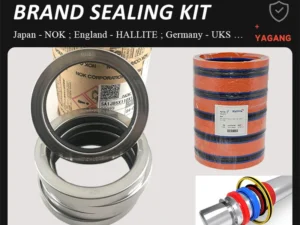
Seals degrade over time, even without visible leakage. For most industrial applications, plan to replace seals every 2-3 years or 5,000 10,000 operating hours. A tie rod cylinder seal kit is inexpensive compared to downtime. During seal replacement, also replace wear rings and wipers. Document the date and hours for each Tie Rod Hydraulic Cylinder.
10. Store Spare Cylinders Properly
If you have spare Tie Rod Hydraulic Cylinders, store them upright with ports capped, rods retracted, and coated with rust inhibitor. Keep them in a dry, temperature controlled area. For a custom tie rod cylinder, label it with part number, bore, stroke, and mounting style. Proper storage ensures the spare is ready when needed.
Conclusion
Maintaining a Tie Rod Hydraulic Cylinder involves daily visual checks, cleaning, torque verification, fluid monitoring, rod inspection, internal leakage testing, lubrication, exterior cleaning, scheduled seal replacement, and proper spare storage. Whether you use a heavy duty tie rod cylinder, long stroke tie rod cylinder, stainless steel tie rod cylinder, high pressure tie rod cylinder, repairable tie rod cylinder, or standard tie rod cylinder, a proactive maintenance plan will dramatically extend its life. For basic knowledge, revisit What Is a Tie Rod Hydraulic Cylinder?. Consistent maintenance pays back in reliability and lower repair costs.