A Hydraulic Rotary Cylinder is a precision component that converts hydraulic pressure into controlled rotational motion. Like all hydraulic equipment, it requires regular maintenance to ensure reliable performance, prevent unexpected downtime, and extend service life. Proper maintenance of a Hydraulic Rotary Cylinder involves routine inspections, fluid management, seal care, and timely component replacement. In this guide, we provide a practical maintenance plan for a Hydraulic Rotary Cylinder used in automation, machine tools, material handling, and other industrial applications. For a basic understanding of this cylinder type, see our guide on What Is a Hydraulic Rotary Cylinder.
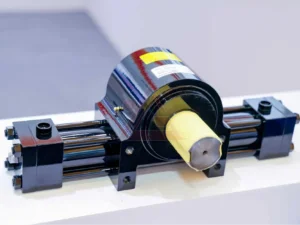
1. Daily Visual Inspections
Before each shift, inspect the Hydraulic Rotary Cylinder for external oil leaks, damaged shaft surface, or loose mounting bolts. Look for oil puddles under the cylinder or wetness around the shaft seal. A small leak today can lead to a major failure during production. For a rotary cylinder for automation operating at high cycle rates, even minor leaks can cause position drift. Also check that the shaft wiper is not torn or hardened.
2. Keep the Shaft Surface Clean
The output shaft of a Hydraulic Rotary Cylinder is exposed to dust, debris, and moisture. Wipe the shaft daily with a clean, lint-free cloth. For a hydraulic rotation cylinder used in harsh environments, clean the shaft thoroughly after each shift. Never use abrasive pads that could scratch the shaft surface – scratches will damage seals and cause leakage. A clean shaft extends seal life significantly.
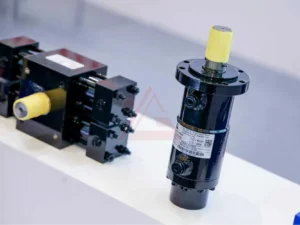
3. Monitor Hydraulic Fluid Condition
Contaminated fluid is the leading cause of seal failure in any Hydraulic Rotary Cylinder. Take fluid samples every 500 operating hours or quarterly. Milky fluid indicates water contamination; dark fluid suggests oxidation; metallic particles point to internal wear. If contamination is found, change the fluid and filters immediately. For an industrial rotary actuator with precision internal components, clean fluid is essential for maintaining accuracy and torque output.
4. Check for External Leaks at Ports and Shaft Seal
Use a flashlight to inspect all port connections and the shaft seal area. A slow drip from a fitting may only need tightening, but a leak from the shaft seal indicates worn seals. For a rotary actuator for machine tools requiring high positioning accuracy, any leakage can affect performance. If you see oil film on the shaft beyond normal wetness, plan to replace the seal kit soon.
5. Inspect Shaft Surface for Scoring, Pitting, or Corrosion
Run your fingernail across the output shaft. Any scratch you can feel will damage new seals. Minor scratches can be polished with fine emery cloth (1000-1500 grit). For a hydraulic swing cylinder exposed to outdoor conditions, inspect the shaft weekly for pitting or corrosion. If deep gouges or corrosion are found, the shaft must be re-ground or replaced. A damaged shaft on a rotary indexing cylinder will cause indexing errors and inconsistent positioning.
6. Listen for Unusual Noises During Operation
Abnormal sounds – knocking, whining, or grinding – are early warning signs. Knocking may come from loose mounting bolts or worn bearings. Whining often means air in the system (bleed the cylinder) or pump cavitation. Grinding suggests metal-to-metal contact inside the cylinder, possibly due to worn internal bearings or scoring on the housing. A heavy duty rotary cylinder that suddenly becomes noisy should be taken offline immediately for inspection.
7. Test for Internal Leakage (Position Drift)
Internal bypass occurs when internal seals wear out, allowing oil to cross from one chamber to another, causing position drift. To test a Hydraulic Rotary Cylinder, apply pressure to hold a fixed angle, then isolate the ports. If the shaft moves on its own, internal seals are leaking. Perform this test every 500-1,000 operating hours. Early detection allows a seal replacement instead of a full rebuild.
8. Lubricate Bearings and Moving Parts
Internal bearings in a Hydraulic Rotary Cylinder require proper lubrication. Follow the manufacturer’s recommendations for grease type and intervals. For a rotary actuator for robotics with high precision bearings, use only approved lubricants. Over-lubrication can cause seal damage; under-lubrication leads to premature bearing wear.
9. Re-torque Mounting Bolts
Vibration loosens mounting bolts over time. Re-torque all fasteners to manufacturer specifications using a calibrated torque wrench. Loose mounts on a Hydraulic Rotary Cylinder can cause misalignment, side loading, and accelerated wear.
10. Schedule Regular Seal Replacement
Seals degrade over time even without visible leakage. For most applications, replace seals every 2-3 years or 5,000-10,000 operating hours. When replacing seals, also inspect and replace bearings if worn. Keep a maintenance log for each cylinder.
11. Store Spare Cylinders Properly
If you keep spare Hydraulic Rotary Cylinders on site, store them in a clean, dry area with ports capped and shafts coated with rust inhibitor. Label each spare with part number, torque rating, and rotation angle.
Conclusion
Maintaining a Hydraulic Rotary Cylinder requires daily visual checks, shaft cleaning, fluid monitoring, leak inspection, shaft surface care, noise monitoring, internal leakage testing, bearing lubrication, bolt re-torquing, scheduled seal replacement, and proper spare storage. Whether you use a rotary cylinder for automation, hydraulic rotation cylinder, industrial rotary actuator, rotary actuator for machine tools, hydraulic swing cylinder, or rotary indexing cylinder, a proactive maintenance plan dramatically extends life and reduces unplanned downtime. For foundational knowledge, revisit What Is a Hydraulic Rotary Cylinder. Regular care pays back in reliability, precision, and lower repair costs.