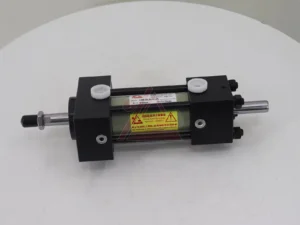
A Tie Rod Hydraulic Cylinder is a reliable workhorse in industrial machinery, but like any component, it can develop issues over time. Recognizing and fixing problems early prevents costly downtime and catastrophic failures. In this guide, we will cover the most common problems with a Tie Rod Hydraulic Cylinder, their root causes, and step-by-step troubleshooting methods. For a detailed overview of this cylinder type, refer to our guide on What Is a Tie Rod Hydraulic Cylinder?.
1. External Leakage at the Gland or Tie Rod Nuts
External fluid leaks are the most visible sign of a problem. If you see oil dripping from the gland (where the rod exits) or around the tie rod nuts, the Tie Rod Hydraulic Cylinder likely has worn rod seals or loose tie rod nuts. Troubleshooting: Check tie rod nut torque first – loose nuts allow the end caps to separate slightly, causing leaks. Re-torque in a star pattern. If leakage persists, the rod seal or wiper is damaged. Replace the seal kit. A repairable tie rod cylinder makes this job straightforward.
2. Slow or Erratic Operation
When a Tie Rod Hydraulic Cylinder moves slower than usual or jerks during cycling, several causes are possible. Troubleshooting: First, check system pressure and flow. Low pressure reduces force; low flow reduces speed. Next, inspect for internal leakage (fluid bypassing the piston). This is often due to worn piston seals. For a double acting tie rod cylinder, internal leakage will cause drift under load. A cylinder with internal bypass may need a piston seal replacement tie rod cylinder repair. Also check the control valve for internal wear.
3. Cylinder Drift (Load Dropping)
If a Tie Rod Hydraulic Cylinder cannot hold a load and slowly retracts or extends without command, drift is occurring. Troubleshooting: Isolate the cylinder by capping its ports. If drift stops, the problem is in the valve (leaking pilot or check valve). If drift continues, the piston seals are worn, allowing fluid to cross from one side to the other. For a heavy duty tie rod cylinder in a press, drift can cause safety hazards. Replacing the piston seal kit is the solution. Always verify that the counterbalance valve (if fitted) is not stuck open.
4. Unusual Noises – Knocking, Whining, or Grinding
Abnormal sounds from a Tie Rod Hydraulic Cylinder indicate mechanical or hydraulic issues. Troubleshooting: Knocking often means loose tie rod nuts or a bent rod. Tighten nuts in a star pattern. If knocking persists, check rod straightness. Whining usually comes from the pump or cavitation (air in the system) – bleed air. Grinding suggests metal-to-metal contact inside the cylinder, possibly due to failed bearings or a scored rod. A high pressure tie rod cylinder with rod damage will need rod re chroming or replacement.
5. Overheating of the Cylinder or Hydraulic System
If a Tie Rod Hydraulic Cylinder becomes too hot to touch, internal leakage is likely generating excess heat. Troubleshooting: Measure the cylinder’s temperature during operation. Compare cap end and rod end temperatures – a large difference indicates internal bypass. Check system relief valve settings (too high generates heat). For a long stroke tie rod cylinder, extended cycling at high speed can also overheat fluid. Replace worn piston seals and ensure proper fluid viscosity.
6. Bent or Scored Piston Rod
Visible damage to the rod – scratches, pitting, or bending – directly affects seal life. Troubleshooting: Inspect the rod surface. Minor scratches can be polished with fine emery cloth. Deep gouges or chrome flaking require rod repair or replacement. A bent rod must be straightened or replaced; operation with a bent rod will destroy new seals quickly. For a stainless steel tie rod cylinder used in corrosive environments, pitting is common – replace the rod with a more corrosion-resistant material.
7. Loose Tie Rod Nuts
Over time, vibration can loosen tie rod nuts, causing the Tie Rod Hydraulic Cylinder to leak or the end caps to shift. Troubleshooting: Check torque on all tie rod nuts. Re-torque to manufacturer specification using a star pattern. If nuts loosen repeatedly, use thread locking compound (medium strength) and recheck after a few hours of operation. A standard tie rod cylinder with properly torqued nuts will maintain seal integrity for years.
8. Contaminated Hydraulic Fluid
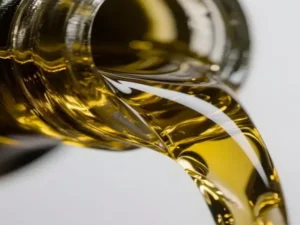
Contamination is a leading cause of premature seal failure. Dirt, water, or metal particles wear seals, score rods, and clog passages. Troubleshooting: Take an oil sample. If contamination is found, flush the entire hydraulic system, replace filters, and fill with clean fluid. For a compact tie rod cylinder in tight spaces, contamination can quickly damage the small-diameter rod seals. Install rod boots or wipers in dirty environments.
9. Binding or Sticking During Cycling
If a Tie Rod Hydraulic Cylinder hesitates or sticks at certain points, mechanical binding is likely. Troubleshooting: Check for misalignment between the cylinder and the load – use spherical rod eyes or flexible mounts. Inspect the piston rod for straightness. Also check for internal debris or a damaged wear ring. A precision tie rod cylinder with tight clearances will bind if contamination enters. Disassemble, clean, and replace damaged parts.
10. Preventing Future Problems
Regular maintenance prevents most issues with a Tie Rod Hydraulic Cylinder. Keep fluid clean, change filters on schedule, inspect rod surfaces, re-torque tie rod nuts periodically, and replace seals at recommended intervals. For a custom tie rod cylinder, keep spare seal kits on hand.
Conclusion
Troubleshooting a Tie Rod Hydraulic Cylinder involves checking for external leaks, slow operation, drift, noises, overheating, rod damage, loose nuts, contamination, and binding. Whether you use a repairable tie rod cylinder, double acting tie rod cylinder, heavy duty tie rod cylinder, high pressure tie rod cylinder, long stroke tie rod cylinder, or standard tie rod cylinder, systematic diagnosis will identify the root cause. Early detection saves repair costs and downtime. For foundational knowledge, revisit What Is a Tie Rod Hydraulic Cylinder?. With proper troubleshooting, you can keep your tie rod cylinders operating reliably for years.