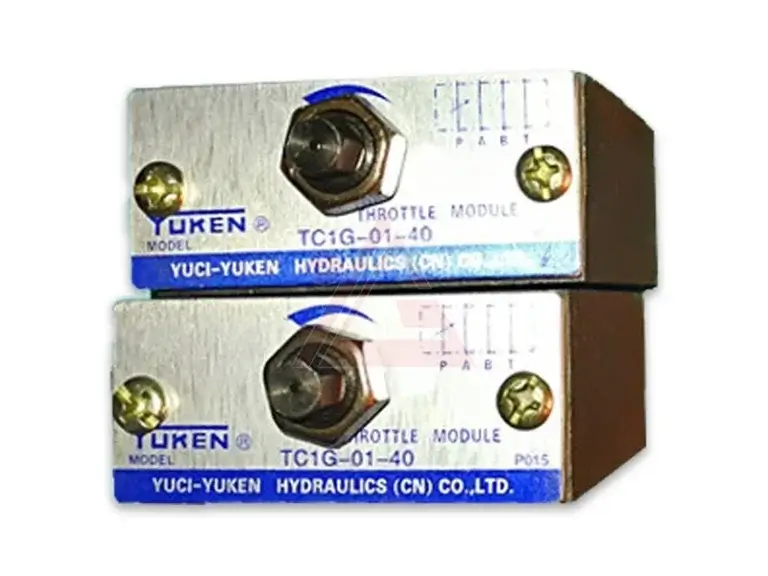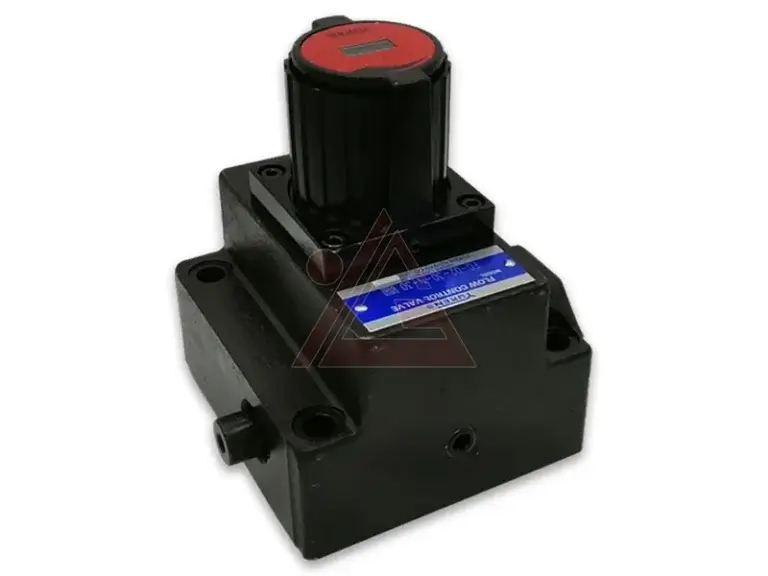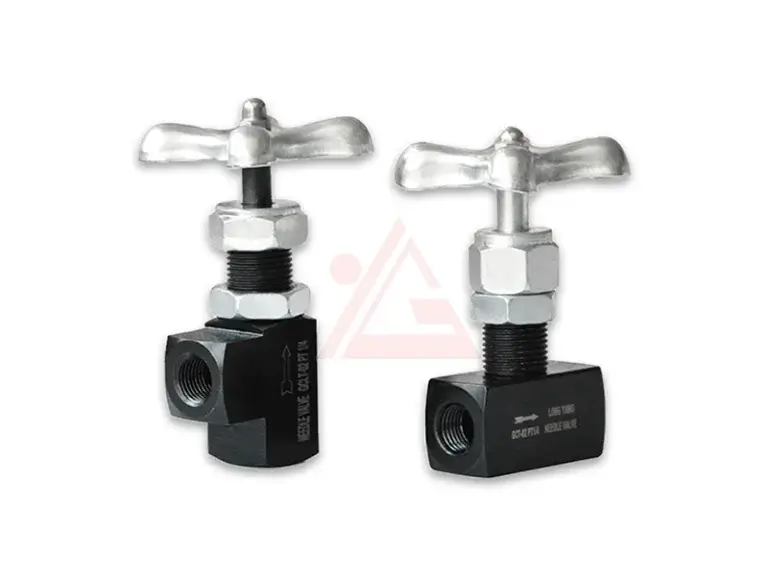
A pressure control valve is one of the most fundamental components in any hydraulic system. It serves as the pressure management center, regulating the force that hydraulic actuators generate, protecting equipment from damage due to overpressure, and ensuring smooth, predictable operation. Without a properly functioning pressure control valve, hydraulic systems would be prone to component failure, erratic behavior, energy waste, and safety hazards. Whether you are operating an excavator, a hydraulic press, or an agricultural tractor, the pressure control valve is the component that ensures your system operates within safe and efficient pressure limits.
In this comprehensive guide, we will explore what a pressure control valve is, how it works, its core components, the different types available, and its essential role in hydraulic systems. Understanding the function of a pressure control valve is fundamental for anyone involved in hydraulic system design, maintenance, or operation.
1. What Is a Pressure Control Valve? Basic Definition
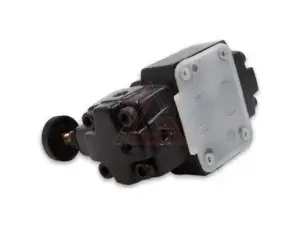
A pressure control valve is a mechanical device that regulates the pressure of hydraulic fluid within a hydraulic system. It performs this function by either limiting the maximum pressure, reducing pressure to a lower level, sequencing operations, controlling overrunning loads, or unloading pumps. Pressure-control valves are found in virtually every hydraulic system, performing a variety of functions—from keeping system pressures safely below a desired upper limit to maintaining a set pressure in part of a circuit.
The most common pressure control valve types include pressure relief valves, pressure reducing valves, sequence valves, counterbalance valves, and unloading valves. Each type serves a specific function in system control. Without a pressure control valve, the fluid pressure would be unregulated, leading to component damage, inconsistent actuator performance, and unsafe operating conditions.
2. How Does a Pressure Control Valve Work?
Understanding how a pressure control valve works requires a basic knowledge of hydraulic principles. A pressure control valve operates by creating a variable restriction in the fluid path that responds to pressure changes. The valve contains a sensing element (such as a spring-loaded spool or poppet) that reacts to system pressure and adjusts the flow path accordingly.
The Basic Operating Principle
The operating principle of a pressure control valve is based on force balance. A spring provides a reference force that determines the valve’s set point. System pressure acts on the sensing element (such as a poppet or spool) in opposition to the spring. When system pressure exceeds the spring force, the valve opens, allowing fluid to pass—either to the reservoir (in the case of a relief valve) or to a secondary circuit (in the case of a sequence valve).
Normally Closed vs. Normally Open Valves:
Normally closed valves (relief valves, sequence valves, counterbalance valves, unloading valves) remain closed until pressure reaches the valve setting. When pressure exceeds the set point, the valve opens to perform its function.
Normally open valves (reducing valves) remain open until pressure reaches the valve setting. When downstream pressure exceeds the set point, the valve throttles flow to maintain the desired reduced pressure.
Internal Leakage Considerations
The performance of a pressure control valve is also affected by internal leakage. Spool valves typically have some internal clearance, resulting in minimal leakage. Poppet valves offer zero-leakage sealing, making them ideal for load-holding applications.
3. Key Components of a Pressure Control Valve
A typical pressure control valve consists of several key components:
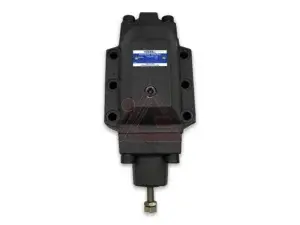
Valve Body: The outer housing that contains the internal components and provides connection points for hydraulic lines. It is typically made of cast iron, steel, or aluminum.
Sensing Element (Poppet or Spool): The moving element that opens, closes, or partially obstructs flow paths in response to pressure changes.
Spring: Provides the reference force that determines the valve’s pressure setting.
Adjustment Mechanism: A screw or knob that allows the operator to change the spring force (and therefore the pressure setting).
Orifice or Restriction: Creates a pressure drop that enables the valve to sense and respond to pressure changes.
Seals: Prevent internal and external leakage, ensuring efficient operation.
Ports: The openings in the valve body where fluid enters and exits.
Each component plays a critical role in the reliable operation of the pressure control valve.
4. How Does a Pressure Control Valve Work with Hydraulic Cylinders?
The pressure control valve is a critical component for controlling hydraulic cylinders. The interaction between a pressure control valve and a cylinder is essential to system performance.
Force Control
The force a hydraulic cylinder produces is directly related to pressure: Force = Pressure × Piston Area. A pressure relief valve determines the maximum force the cylinder can exert by limiting system pressure. Setting the relief valve too low reduces cylinder force; setting it too high risks component damage.
Speed Control in Overrunning Conditions
When a cylinder is lowering a load, the load can pull the cylinder faster than the pump can supply oil. A counterbalance valve on the cylinder’s return line creates backpressure, controlling the lowering speed and preventing the load from running away.
Clamping and Holding
In clamping applications, a pressure reducing valve supplies reduced pressure to a clamp cylinder, ensuring the workpiece is held securely without damaging it. The pressure relief valve protects the system from overpressure during clamping.
Sequencing
In multi-cylinder systems, a sequence valve ensures that one cylinder completes its stroke before another begins. This is essential in automated manufacturing processes where operations must occur in a specific order.
5. Types of Pressure Control Valves
Pressure control valves can be classified into five primary types:
Pressure Relief Valve
A pressure relief valve limits maximum system pressure to protect components. It is a normally closed valve that opens when pressure exceeds its setting, diverting excess fluid to the reservoir. Pressure relief valves are found in virtually every hydraulic system.
Pressure Reducing Valve
A pressure reducing valve maintains a lower, constant pressure in a sub-circuit. It is a normally open valve that throttles flow to maintain the desired reduced pressure when downstream pressure exceeds the setting.
Sequence Valve
A sequence valve ensures actuators operate in a predetermined order. It is a normally closed valve that opens when inlet pressure reaches its setting, directing flow to a secondary actuator.
Counterbalance Valve
A counterbalance valve controls overrunning (runaway) loads. It is a normally closed valve that creates backpressure on the return line of an actuator to prevent uncontrolled load movement.
Unloading Valve
An unloading valve unloads a pump to reduce energy consumption. It is a normally closed valve that depends on an external pressure signal for its actuation.
Conclusion
A pressure control valve is the pressure management center of any hydraulic system. It regulates the force that hydraulic actuators generate, protects equipment from overpressure, and ensures smooth, predictable operation. By understanding what a pressure control valve is and how it works, you can design, operate, and maintain hydraulic systems more effectively. Whether you need a pressure relief valve for system protection, a pressure reducing valve for sub-circuit pressure control, or a counterbalance valve for overrunning load control, selecting the right pressure control valve is essential for reliable, efficient hydraulic system performance.