Air trapped inside a hydraulic cylinder causes spongy operation, jerky movement, and reduced force. Bleeding removes this air, restoring smooth and reliable performance. Whether you have just replaced seals or reinstalled a component, learning how to bleed a hydraulic cylinder is essential for any equipment owner or technician. In this guide, we will walk you through safe, effective bleeding methods for most common hydraulic cylinder types. Proper bleeding also extends the life of seals and pumps.
1. Why Bleeding Is Necessary
A hydraulic cylinder relies on incompressible fluid. Air compresses easily, so even a small amount causes erratic behavior. Symptoms include slow response, drifting, and unusual noises (knocking or whining). Bleeding removes air pockets, ensuring the hydraulic cylinder delivers full force and precise control. For a hydraulic cylinder for log splitter, trapped air makes the ram hesitate, reducing splitting power. For metric hydraulic cylinders used in European machinery, the same principle applies.
2. Safety First
Before bleeding any hydraulic cylinder, relieve system pressure. Turn off the power unit, cycle control valves to release trapped pressure, and wear safety glasses. Hydraulic fluid under pressure can inject through skin. Secure the equipment so moving parts cannot fall. For hydraulic lifting cylinders on aerial platforms or forklifts, lower the load to a safe rest position before starting.
3. Identify the Cylinder Type
Bleeding methods vary slightly. Most hydraulic cylinder designs are double-acting (pressure on both sides) or single-acting (pressure on one side, spring or gravity return). For a hydraulic pump cylinder (often on small power units), the pump itself may need priming. For tie rod cylinders hydraulic construction, the bleed process is straightforward due to accessible ports. Knowing your cylinder type helps you choose the right technique.Bleeding methods vary slightly. Most hydraulic cylinder designs are double-acting (pressure on both sides) or single-acting (pressure on one side, spring or gravity return). For a hydraulic pump cylinder (often on small power units), the pump itself may need priming. For tie rod cylinders hydraulic construction, the bleed process is straightforward due to accessible ports. Knowing your cylinder type helps you choose the right technique.
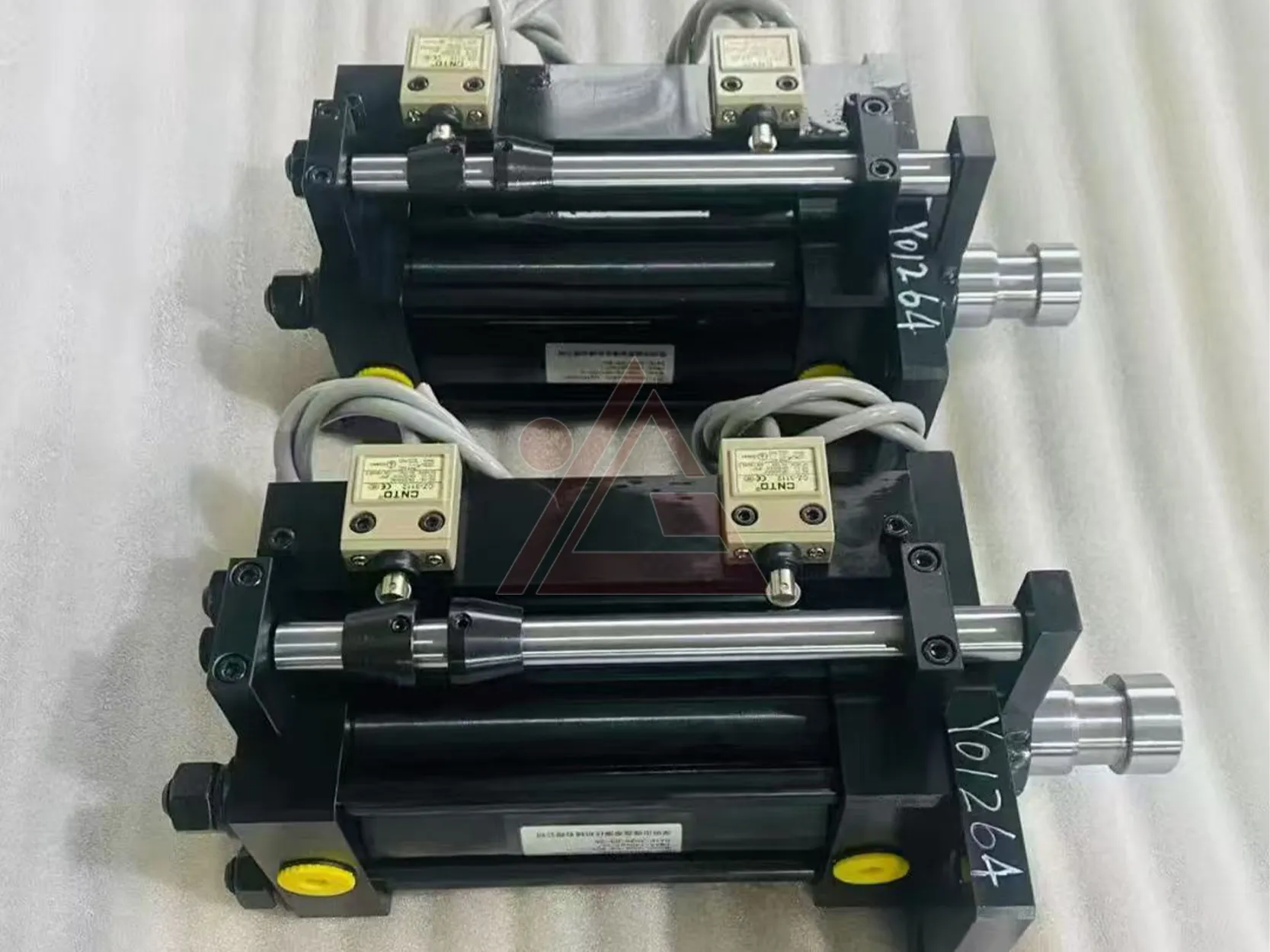
4. The Basic Bleeding Procedure (Double-Acting Cylinder)
Follow these steps to bleed a standard double-acting hydraulic cylinder:
- Fully extend the cylinder (no load). Air rises to the highest point.
- Crack the rod-side port fitting slightly (about 1/4 turn) while applying gentle pressure. Use a rag to catch fluid.
- Watch for air bubbles escaping. When solid fluid flows, tighten the fitting.
- Fully retract the cylinder. Repeat the process on the cap-side port.
- Cycle the cylinder 5-10 times slowly, then re-check both ports.
For a hydraulic compact cylinder in tight machinery, access may be limited. Use a wrench with a short handle and be patient.
5. Bleeding Single-Acting Cylinders
Single-acting hydraulic cylinder units (e.g., on log splitters, dump trailers) have only one port. To bleed:
Extend the cylinder fully.
Slightly loosen the fitting at the cylinder port while applying pressure.
Allow air and fluid to escape until a steady stream appears.
Tighten and retract (gravity or spring return). Repeat once.
For a dump truck hydraulic cylinder that lifts the bed, bleeding is critical to prevent jerky dumping. Always perform the bleed with the bed empty.
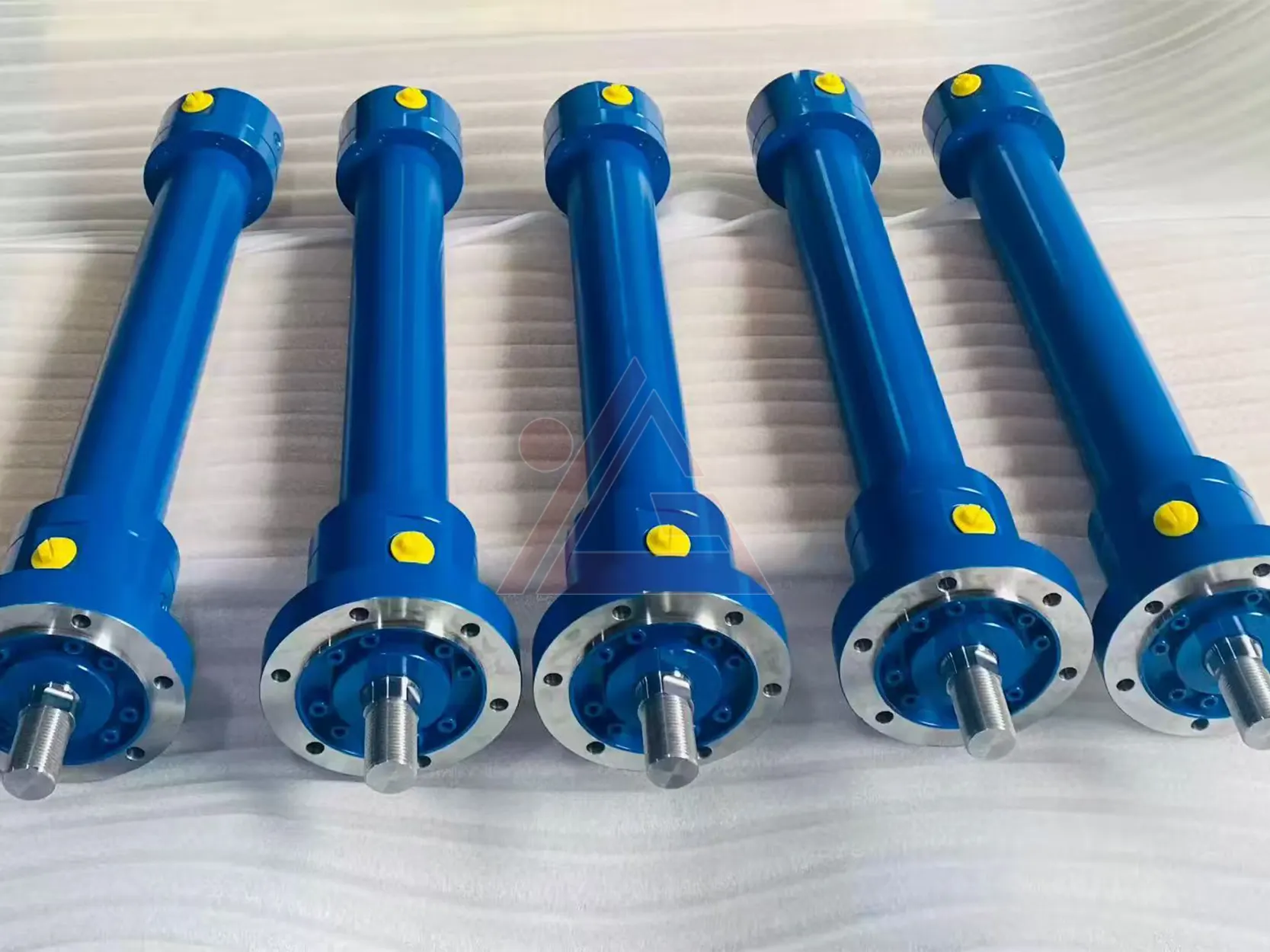
6. Using the Bleeder Valve (If Equipped)
Some hydraulic cylinder models include a dedicated bleeder valve (usually a small screw on the cylinder head or end cap). To use:
Extend the cylinder slightly to pressurize.
Open the bleeder screw 1/2 turn. Air and fluid will escape.
Close the screw when solid fluid appears.
Cycle the cylinder and repeat if needed.
Metric hydraulic cylinders from European manufacturers often feature metric bleeder screws. Use the correct size wrench to avoid stripping.
7. Alternative Method – Gravity Bleeding
For small or vertically mounted hydraulic cylinder units, gravity can help. Position the cylinder with the rod end up. Crack the highest port fitting. Air will rise and escape naturally. Refill the reservoir as needed. This method works well for hydraulic lifting cylinders on engine hoists or press stands.
8. Bleeding After Seal Replacement or Rebuild
If you have just rebuilt a hydraulic cylinder, bleeding is mandatory. Air enters during disassembly. Follow the basic procedure but expect more bubbles. Cycle the cylinder at low pressure first to avoid seal damage. For tie rod cylinders hydraulic, the multiple tie rods allow even clamping, but bleeding remains the same. After bleeding, check the reservoir level and top up.
9. Troubleshooting – When Bleeding Doesn’t Work
If a hydraulic cylinder remains spongy after bleeding, check for:
Low fluid level – air re-enters the pump.
Suction side leak on the pump – introduces air continuously.
Worn piston seals – internal bypass mimics air symptoms.
For hydraulic compact cylinder with very small ports, air may be trapped in blind passages. Try tilting the cylinder.
In such cases, the hydraulic cylinder may need seal replacement or professional service.
10. Preventing Air Entry
To avoid frequent bleeding, maintain proper fluid levels, tighten all suction line fittings, and avoid running the pump dry. When installing a new hydraulic cylinder for log splitter or any other unit, pre-fill it with fluid before connecting hoses. For hydraulic pump cylinder assemblies, prime the pump by filling its case. Good practices reduce downtime.
Conclusion
Learning how to bleed a hydraulic cylinder is a simple yet vital skill. Whether you operate a hydraulic cylinder for log splitter, metric hydraulic cylinders, hydraulic lifting cylinders, a hydraulic pump cylinder, tie rod cylinders hydraulic, a hydraulic compact cylinder, or a dump truck hydraulic cylinder, the principles remain the same: remove trapped air to restore smooth, powerful motion. Always prioritize safety, cycle the cylinder slowly, and check fluid levels. With this guide, you can confidently bleed any hydraulic cylinder and keep your equipment running efficiently.