Hydraulic cylinder seals are the most critical components for preventing leaks and maintaining performance. Over time, hydraulic cylinder seals wear out due to pressure cycles, heat, and contamination. Replacing them promptly restores efficiency and avoids costly downtime. In this guide, we will walk you through the step-by-step process of replacing hydraulic cylinder seals safely and effectively. Whether you maintain hydraulic cylinders on construction sites or factory floors, these instructions apply to most common designs.
1. Identify the Need for Seal Replacement
Before starting, confirm that worn hydraulic cylinder seals are the root cause. Common signs include external fluid leaks, slow or erratic operation, and cylinder drift. If you have already diagnosed these symptoms, seal replacement is likely necessary. For heavy equipment like excavators or forklifts, leaking hydraulic cylinder seals can also contaminate the entire hydraulic system. Always consult your machine’s manual for specific seal kit part numbers.
2. Gather Required Tools and a Quality Seal Kit
To replace hydraulic cylinder seals, you will need:
A seal kit matched to your cylinder’s bore, rod diameter, and manufacturer
Wrenches, spanner wrenches, and a torque wrench
Brass punches, soft-faced hammers
Seal picks (plastic or brass), seal installation sleeves
Clean rags, solvent, and assembly lubricant
For a telescopic hydraulic cylinder (common in dump trucks), the seal kit includes multiple stage seals. For a jack hydraulic cylinder (used in bottle jacks or lifting devices), the seals are smaller but require equal care. Always buy quality seals from a reputable source.

3. Remove the Cylinder from Equipment
Safety first. Relieve hydraulic pressure completely, disconnect hoses (label them), and plug ports to prevent contamination. Use proper lifting gear to remove the cylinder. For a hydraulic lift cylinder on a scissor lift or forklift, support the load securely before disconnecting. Place the cylinder on a clean workbench. Now you are ready to access the hydraulic cylinder seals.
4. Disassemble the Cylinder
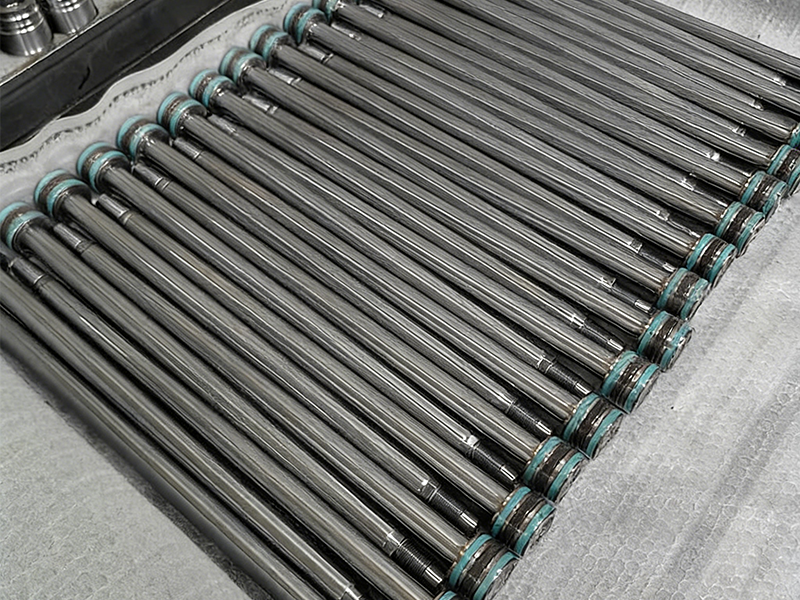
Extend the rod fully. Remove the gland nut or retaining ring using a spanner wrench. For welded cylinders, the gland is often a threaded or snap-ring design; some welded units are non-serviceable, but most can be rebuilt. Carefully extract the rod and piston assembly. Avoid damaging the rod surface. For tie rod hydraulic cylinder designs, loosen the tie rod nuts evenly in a star pattern to prevent distortion. Once disassembled, remove the old hydraulic cylinder seals from the piston and gland.
5. Inspect Internal Components
Before installing new hydraulic cylinder seals, inspect the barrel, rod, and piston. Look for scoring, pitting, or out-of-round conditions. A damaged barrel requires honing or replacement. A bent or deeply scratched rod may need straightening or re-chroming. For heavy duty hydraulic cylinder applications (mining, steel mills), even minor damage can cause rapid seal failure. Replace any worn bearings or wear rings.
6. Clean All Parts Thoroughly
Contamination is the enemy. Clean the barrel, rod, piston, and gland with solvent and lint-free cloths. Pay special attention to seal grooves. Blow out passages with compressed air (wear safety glasses). A clean environment ensures that the new hydraulic cylinder seals seat properly and last their full service life.
7. Install New Seals Correctly
Lubricate new seals with clean hydraulic fluid or assembly gel. Use plastic or brass picks to position them; never use steel tools that could nick the sealing surface. Install rod seals, piston seals, wipers, and O-rings in their respective grooves. Ensure each seal sits squarely without twisting. For piston seals, use a seal installation sleeve to slide over sharp edges. This careful process is the heart of replacing hydraulic cylinder seals.
8. Reassemble the Cylinder
Lubricate the barrel interior and the rod. Carefully insert the rod and piston assembly into the barrel, making sure threads or edges do not cut the new gland seals. Torque the piston nut and gland nut to manufacturer specifications using a calibrated torque wrench. (Note: For tie rod cylinders, torque the tie rod nuts in a crossing pattern – but since we already mentioned tie rod hydraulic cylinder earlier, no need to repeat.) Reassembly completes the mechanical replacement of hydraulic cylinder seals.
9. Test the Cylinder
Reinstall the cylinder on the equipment. Reconnect hoses and fill with clean fluid if needed. Run the equipment at low pressure first to purge air. Cycle the cylinder several times, checking for leaks, smooth motion, and proper speed. If no issues appear, the replacement of hydraulic cylinder seals was successful. (For heavy duty applications, perform a load test – but we already used heavy duty hydraulic cylinder earlier, so not repeated.)
10. Prevent Future Seal Failure
To extend the life of new hydraulic cylinder seals, maintain clean fluid, change filters regularly, and avoid overheating. Address rod surface damage promptly. Keep a maintenance log. For telescopic and jack cylinder units, inspect stage seals and wipers periodically. Proper care reduces downtime and replacement frequency.
Conclusion
Replacing hydraulic cylinder seals is a systematic process that demands cleanliness, patience, and the right tools. From initial diagnosis to final testing, each step ensures reliable, leak-free operation. Whether you work with hydraulic cylinders in general, a telescopic hydraulic cylinder, jack hydraulic cylinder, hydraulic lift cylinder, welded cylinders, tie rod hydraulic cylinder, or heavy duty hydraulic cylinder, mastering seal replacement saves money and extends equipment life. Always use quality seal kits and follow safety procedures. Now you have the knowledge to replace hydraulic cylinder seals with confidence.