A hydraulic cylinder is a mechanical actuator that converts hydraulic fluid pressure into linear force and motion. It is often called the “muscle” of hydraulic systems, powering everything from construction equipment to factory machinery. Understanding what is a hydraulic cylinder is the first step toward maintaining, troubleshooting, or specifying these essential components. In this guide, we will explain the basic structure, working principle, common types, and real-world applications of a hydraulic cylinder. For practical maintenance tips, refer to our guide on how to bleed a hydraulic cylinder.
1. Basic Definition and Purpose
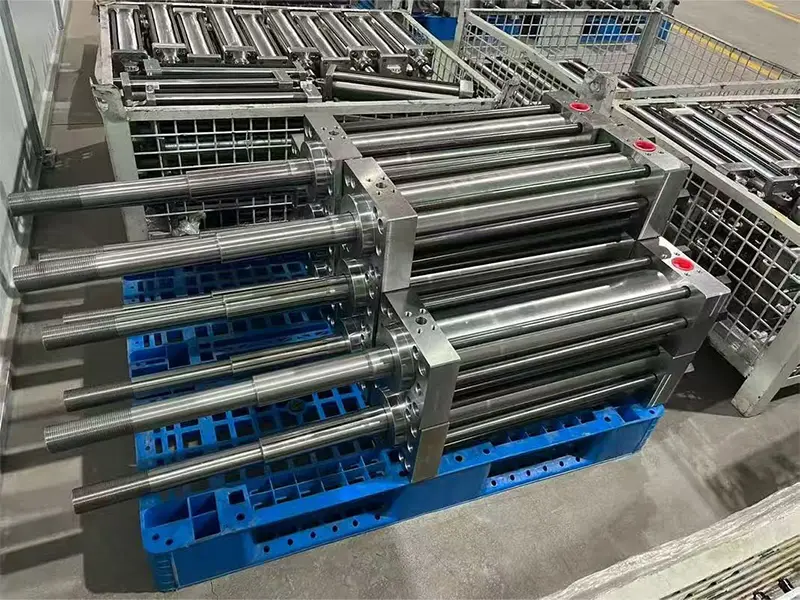
So, what is a hydraulic cylinder? Simply put, it is a device that uses pressurized hydraulic fluid to push or pull a load. Unlike pneumatic cylinders that use air (which compresses), hydraulic cylinders use virtually incompressible oil, allowing them to generate very high forces. A typical hydraulic cylinder consists of a cylindrical barrel, a piston, a piston rod, and sealing components. When oil enters one side of the piston, it pushes the rod out; oil entering the other side retracts it. This simple action lifts, lowers, pushes, pulls, or holds heavy loads.
For example, a dump trailer hydraulic cylinder lifts the trailer bed to unload materials. A steering hydraulic cylinder helps turn large vehicle wheels. These are just two of many applications that rely on the same basic principle.
2. Key Components of a Hydraulic Cylinder
To fully grasp what is a hydraulic cylinder, you must know its main parts:
Barrel: The tube that contains the piston and fluid. Its inner surface is precision-honed.
Piston: A disc that separates the two internal chambers. It transfers force from fluid to the rod.
Piston rod: The chrome-plated shaft that extends from the cylinder to do the work.
Gland (head gland): Seals the rod end, holds the rod seal and wiper.
Seals: Prevent fluid leakage between chambers and to the outside.
Ports: Openings where fluid enters and exits.
A double acting cylinder has two ports (cap end and rod end) allowing powered movement in both directions. This design is common in most industrial and mobile equipment.
3. How a Hydraulic Cylinder Works
Answering what is a hydraulic cylinder also means explaining its operation. According to Pascal’s law, pressure applied to a confined fluid transmits equally. When a hydraulic pump sends oil into the cap-side port, pressure builds behind the piston, pushing it forward. The rod extends. To retract, oil is directed into the rod-side port, pushing the piston back. Force equals pressure multiplied by piston area (F = P × A). Larger bore cylinders produce more force.
A Tipper hydraulic cylinder (used in dump trucks and tippers) works exactly this way, lifting the container to dump materials. The same principle applies to a forklift tilt cylinder, which tilts the mast forward or backward to secure loads.
4. Common Types of Hydraulic Cylinders
There are many variations, but the most common include:
Tie rod hydraulic cylinders: Built with external tie rods holding the end caps. Easy to repair and common in industrial presses.
Welded cylinders: No tie rods; barrel is welded to end caps. More compact and robust, used in mobile equipment.
Telescopic cylinders: Multiple stages for long stroke in a short retracted length (e.g., dump trailers).
Single-acting cylinders: Pressure only on one side; return by gravity or spring.
Double-acting cylinders: Pressure on both sides for powered extension and retraction.
The terms tie rod hydraulic cylinders and tie rod cylinders hydraulic refer to the same design. These are widely used because of their serviceability.
5. Real-World Applications
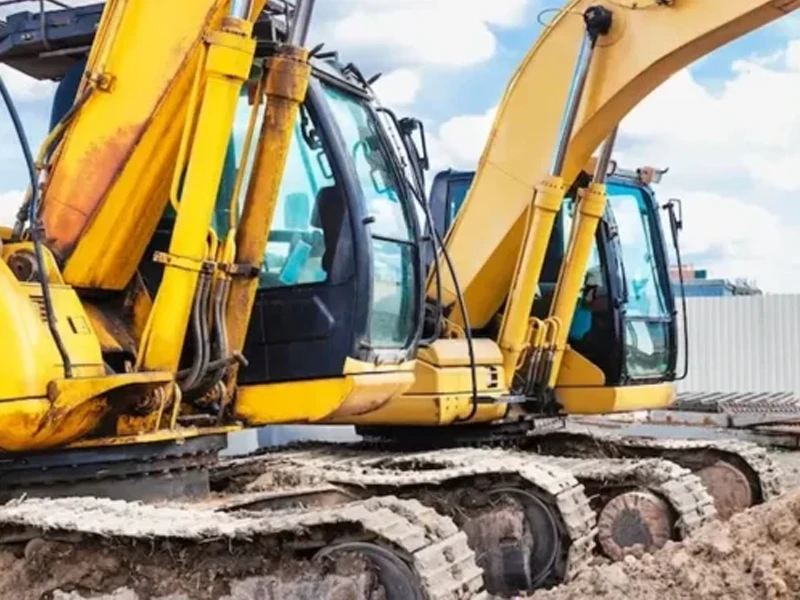
Hydraulic cylinders are everywhere. Understanding what is a hydraulic cylinder helps you recognize them in action:
Dump trailers: A dump trailer cylinder lifts the bed.
Steering systems: A steering cylinder provides power assist.
Tippers: A Tipper cylinder raises the container.
Forklifts: A forklift tilt cylinder controls mast angle.
Industrial machinery: Tie rod cylinders are common in presses.
Each application demands specific bore, stroke, and mounting style, but the core question what is a hydraulic cylinder has the same answer across all.
6. Advantages of Hydraulic Cylinders
Why use a hydraulic cylinder instead of electric or pneumatic actuators?
High force density: Very large forces from a compact package.
Precise control: Speed and position can be accurately regulated.
Overload protection: Built-in relief valves prevent damage.
Reliability: Long service life with proper maintenance.
For mobile equipment like forklifts, the forklift tilt cylinder must withstand shock loads and provide smooth tilting. Hydraulic technology meets these demands.
7. Maintenance and Common Issues
Even a robust hydraulic cylinder needs care. Common problems include external leaks (worn rod seals), internal leakage (worn piston seals), drift, and slow operation. Regular inspection of fluid condition, rod surface, and mounting bolts prevents failures. If you notice spongy movement, air may have entered the system – which is why proper bleeding is essential. For severe issues, seal replacement or professional overhaul is required.
8. How to Choose the Right Hydraulic Cylinder
When selecting a hydraulic cylinder, consider:
Bore size (determines force)
Stroke length (travel distance)
Rod diameter (buckling strength)
Mounting style (cross tube, clevis, flange, etc.)
Operating pressure
Seal material compatibility
For a dump trailer, a telescopic design with long stroke is typical. For a steering cylinder, a smaller bore with robust seals is used. Always consult manufacturer specifications.
9. Safety Tips
Working with any hydraulic cylinder involves high pressure. Always:
Relieve pressure before disconnecting lines.
Support loads mechanically, not just hydraulically.
Wear safety glasses and gloves.
Never exceed rated pressure.
A Tipper cylinder under a loaded truck can store enormous energy. Treat it with respect.
10. Conclusion
So, what is a hydraulic cylinder? It is a linear actuator that transforms hydraulic energy into mechanical force and motion. From dump trailer hydraulic cylinder and steering hydraulic cylinder to Tipper hydraulic cylinder, tie rod hydraulic cylinders, tie rod cylinders hydraulic, forklift tilt cylinder, and double acting cylinder, the fundamental design remains the same. Understanding this core device empowers you to maintain, troubleshoot, and select the right cylinder for any job. For hands-on care, remember to regularly bleed your cylinder to keep it free of trapped air. With proper knowledge and maintenance, a hydraulic cylinder will deliver reliable service for years.