Hydraulic cylinder seals are essential for preventing fluid leakage, maintaining pressure, and ensuring smooth operation. Without proper seals, even the best hydraulic piston cylinder would fail quickly. Different applications require different seal types, each designed for specific pressure ranges, temperatures, and movements. In this guide, we will explore the most common types of hydraulic cylinder seals, their functions, and where they are used. Understanding these categories helps you choose the right seal kit when following our detailed guide on how to replace hydraulic cylinder seals.
1. Rod Seals – Preventing External Leakage
Rod seals are installed in the cylinder’s gland (head) and seal against the reciprocating rod. Their primary job is to prevent hydraulic fluid from leaking out of the cylinder. Hydraulic cylinder seals of this type must withstand pressure, friction, and temperature changes. Common rod seal designs include:
U-cups: Simple, reliable, and self-energizing.
Step seals: High-performance for heavy-duty applications.
PolyPak seals: Excellent extrusion resistance.
For a double acting cylinder, rod seals face pressure from both directions during extension and retraction, so they must be bi-directional or used with backup rings.
2. Piston Seals – Separating Internal Chambers
Piston seals are mounted on the piston and seal between the piston and the cylinder barrel. They prevent fluid from bypassing from one side of the piston to the other. Hydraulic cylinder seals of this type are critical for maintaining force and position. Common piston seal styles:
Single-acting piston seals: Seal in one direction (e.g., for single-acting cylinders).
Double-acting piston seals: Seal in both directions, essential for single and double acting cylinders that require controlled movement in both directions.
Cast iron piston rings: Used in high-temperature or extreme-duty applications.
Piston seal failure leads to internal leakage, drift, and loss of power.
3. Wiper/Scraper Seals – Keeping Contaminants Out
Wipers, also called scrapers, are installed at the rod exit point. They remove dirt, dust, and moisture from the rod as it retracts into the cylinder. Hydraulic cylinder seals of this type protect internal components from contamination. Without a good wiper, debris can scratch the rod and damage rod seals. Wiper designs include:
Standard lip wipers: For normal environments.
Double-lip wipers: For extra protection.
Metal scraper wipers: For extreme conditions like mining.
For stainless steel hydraulic cylinders used in food or marine environments, wipers are especially important to prevent corrosion-inducing contaminants.
4. Wear Rings (Guide Rings) – Not Seals but Essential
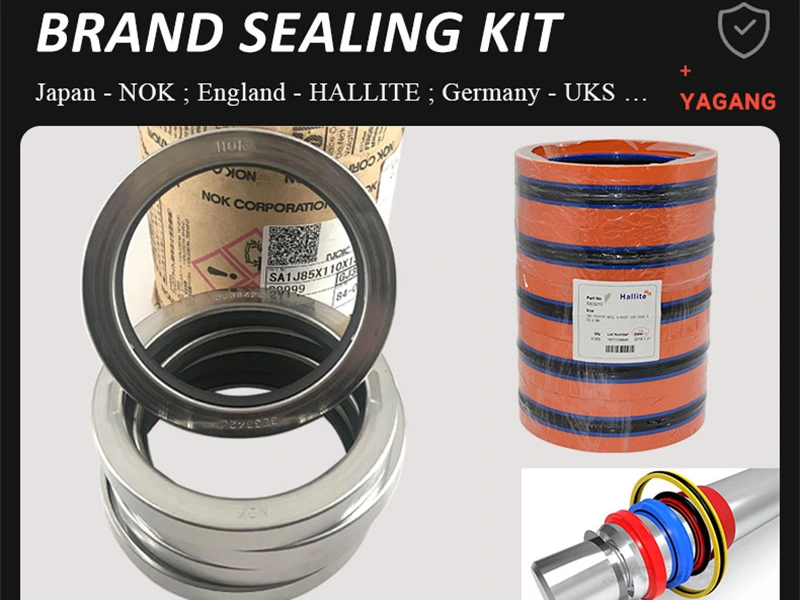
Technically not seals, wear rings are critical companions to hydraulic cylinder seals. They guide the piston and rod, preventing metal-to-metal contact. Wear rings absorb radial loads and reduce seal wear. They are made of filled PTFE, bronze-filled nylon, or phenolic fabric. When replacing hydraulic cylinder seals, always inspect wear rings and replace if worn beyond tolerance. This applies to all hydraulic cylinder components and hydraulic cylinder parts.
5. O-Rings – Versatile Static Seals
O-rings are circular elastomeric seals used in static applications. In hydraulic cylinders, they seal between the gland and barrel, between the piston and rod (if the piston is threaded), and at port connections. Hydraulic cylinder seals often include O-rings as part of a seal kit. O-rings require proper groove design and are usually used with backup rings to prevent extrusion at high pressures.
6. Backup Rings – Preventing Extrusion
Backup rings are hard plastic rings placed behind O-rings or rod seals to prevent them from extruding into gaps under high pressure. They are essential hydraulic cylinder seals accessories. Without backup rings, soft seals can be forced into clearances, causing rapid failure. Backup rings come in spiral-cut, split, or solid designs.
7. Specialty Seals for Unique Applications
Some cylinders use specialized hydraulic cylinder seals:
Rotary seals: For hydraulic rotary actuators (not common in linear cylinders).
Buffer seals: Protect rod seals from pressure spikes.
V-rings (V-packings): Stackable, adjustable seals for older or high-pressure cylinders.
For a small hydraulic cylinder in compact equipment, miniature seals with precise dimensions are required. The variety of hydraulic cylinder seals ensures that every cylinder, from a tiny robotic actuator to a massive press, can operate reliably.
8. Material Choices for Hydraulic Cylinder Seals
Seal materials affect performance. Common materials include:
Nitrile (NBR): Good for mineral oils, moderate temperatures.
Polyurethane (PU): High abrasion resistance, excellent for rod seals.
Fluorocarbon (FKM/Viton): High-temperature and chemical resistance.
PTFE (Teflon): Low friction, wide temperature range, often used for piston seals.
When sourcing hydraulic cylinder parts or hydraulic cylinder components, always verify material compatibility with your hydraulic fluid and operating conditions.
9. How to Identify the Correct Seal Type for Your Cylinder
To select the right hydraulic cylinder seals, disassemble the cylinder and examine the old seals. Measure groove dimensions, note the seal profile (U-cup, step, O-ring), and check the material. Consult the manufacturer’s parts list or use a seal kit guide. If you are unsure, refer back to how to replace hydraulic cylinder seals for step-by-step disassembly and identification tips. For single and double acting cylinders, confirm whether the piston seal needs to be bi-directional.
Conclusion
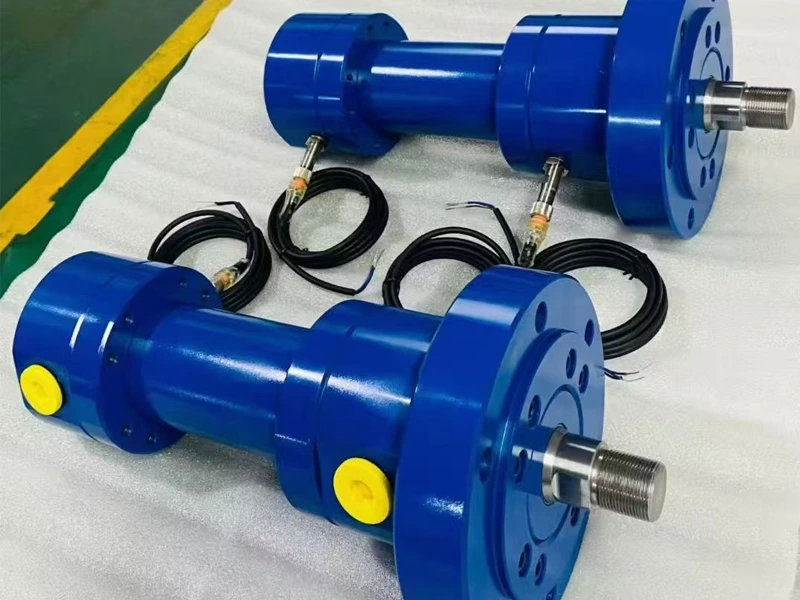
Understanding the types of hydraulic cylinder seals is fundamental for anyone maintaining or rebuilding cylinders. Rod seals, piston seals, wipers, O-rings, backup rings, and wear rings each play a distinct role in preventing leaks and ensuring efficiency. Whether you are working with a hydraulic piston cylinder, a double acting cylinder, single and double acting cylinders, sourcing hydraulic cylinder parts and hydraulic cylinder components, or dealing with stainless steel hydraulic cylinders or a small hydraulic cylinder, knowing which seal goes where saves time and prevents failures. Master these seal types, and you will be well prepared to follow how to replace hydraulic cylinder seals successfully.