In the vast landscape of industrial manufacturing, the “standard” choice is often a compromise. Whether you are designing a new piece of heavy machinery or retrofitting an aging system, the search for custom hydraulic cylinder suppliers is usually born out of necessity. It’s about finding a partner who understands that a 1% deviation in stroke length or a slight mismatch in seal material isn’t just a technicality—it’s a potential system failure.
Finding a reliable manufacturer requires looking past the glossy catalogs. It involves digging into the engineering marrow of a company to see if they can handle the nuances of bespoke fluid power solutions.
The Shift from Mass Production to Precision Engineering
he global market has reached a point where generic components are ubiquitous, yet specialized projects often find themselves stalled by the limitations of Standard Hydraulic Cylinders. When an application involves extreme temperatures, corrosive environments, or unique spatial constraints, the standard shelf-item simply cannot compete.
Reliability in a supplier isn’t just about the ability to weld steel; it’s about the integration of the component into the broader Hydraulic System. A supplier that asks about your duty cycle, your fluid type, and your environmental conditions is already miles ahead of one that simply asks for a part number.
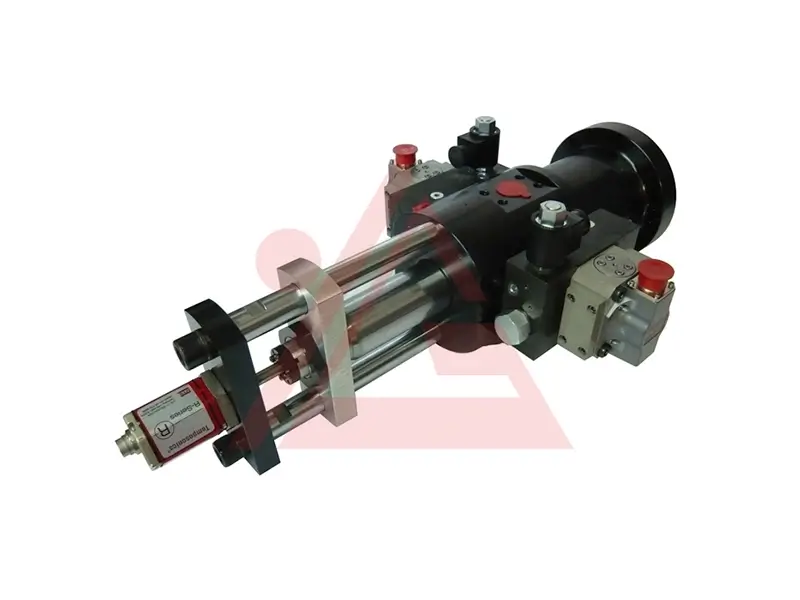
Identifying the Need for Custom Hydraulic Cylinder Suppliers
Not every project requires a custom build. However, when the parameters of a project exceed the capabilities of off-the-shelf products, the sourcing strategy must shift. Customization allows for the optimization of weight-to-power ratios and ensures that every Hydraulic Parts assembly works in perfect harmony.
When Customization Becomes Mandatory
- Unique Mounting Requirements: Often, the frame of a machine is fixed, and the cylinder must be designed to fit the existing footprint rather than the other way around.
Extreme Pressure Ratings: Standard units typically max out at common thresholds. For high-tonnage applications, custom wall thicknesses and specialized rod coatings are essential.
- Material Compatibility: Sourcing Custom Hydraulic Cylinders allows for the use of stainless steel for marine environments or specialized alloys for the aerospace sector.
Where to Look: Geographical Hubs and Sourcing Strategies
The search for custom hydraulic cylinder suppliers usually leads to three primary regions, each offering a different value proposition. Understanding these can help narrow down where to place an RFQ.
The Asian Manufacturing Powerhouse
Regions like China have evolved from simple “low-cost” centers to high-tech hubs. Many suppliers here have invested heavily in CNC machining and automated welding. The benefit here is often the scale; they can pivot from a single prototype to a small-batch run without the massive overhead found in some Western shops.
The European Engineering Standard
Germany and Italy remain leaders in fluid power innovation. If your project requires hyper-specialized certifications or involves complex maritime regulations, European suppliers are often the go-to, though lead times can be significantly longer due to strict labor laws and specialized material sourcing.
The North American Rapid Prototyping
For domestic users in the US and Canada, local shops offer the advantage of proximity. If you need to walk the floor and see the progress of your build, a domestic supplier is best, though you will likely pay a premium for the convenience and faster shipping.
Evaluating Technical Competence and Quality Control
When vetting custom hydraulic cylinder suppliers, the “quality” conversation must be granular. You aren’t just buying a cylinder; you are buying the assurance that it won’t leak under 5,000 PSI three months into its service life.
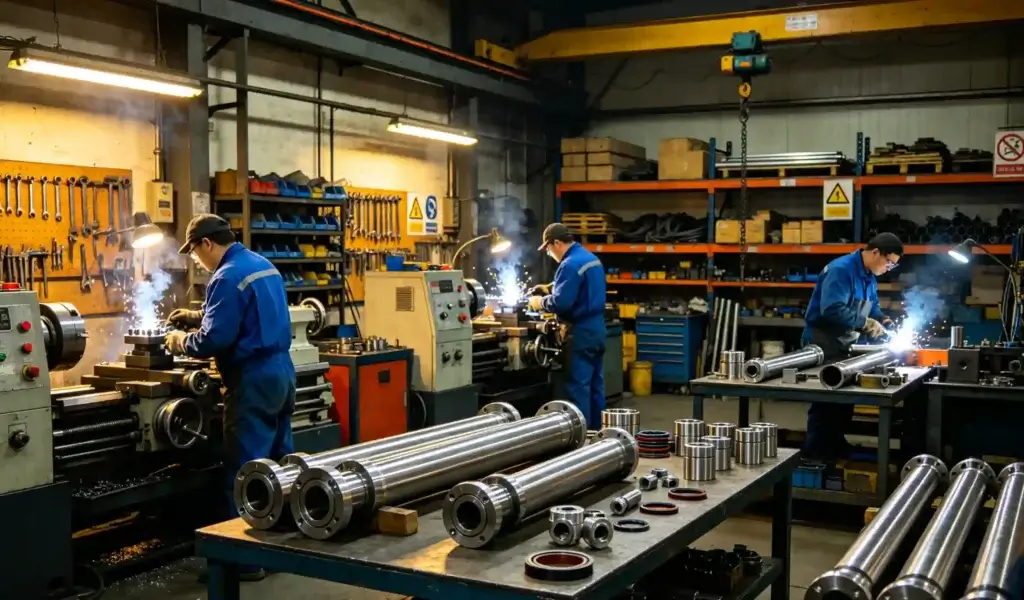
Engineering Support
A top-tier supplier should offer more than just a quote. They should provide DFM (Design for Manufacturing) feedback. If your initial design has a weak point in the rod-end threading or an inefficient port placement, a reliable partner will catch it before the first piece of steel is cut. This level of scrutiny is often detailed in guides like How to Choose Reliable Hydraulic Cylinder Manufacturers?, which emphasizes the importance of technical transparency.
Material Traceability
Reliability is built on the foundation of raw materials. Does the supplier provide Mill Test Reports (MTRs)? Knowing the grade of the chrome plating and the origin of the steel tube is non-negotiable in critical applications. According to industry standards maintained by organizations like the International Organization for Standardization (ISO), traceability is a hallmark of a mature manufacturing process.
Comparative Analysis: Choosing the Right Partner
Not all suppliers are structured the same way. Depending on your project’s volume and complexity, you might choose a large-scale manufacturer or a specialized boutique shop.
| Criteria | Large Scale Manufacturer | Boutique Engineering Shop | Local Repair & Build Shop |
|---|---|---|---|
| Volume Capacity | High (100+ units) | Medium (10-50 units) | Low (1-5 units) |
| Customization Depth | Limited to variations | Full ground-up design | Modification focused |
| Lead Times | 8-12 Weeks | 6-10 Weeks | 2-4 Weeks |
| Engineering Cost | Often absorbed in volume | High upfront fee | Low/Included |
| Testing Facilities | In-house specialized labs | Advanced simulation | Basic pressure bench |
Integration and System Compatibility
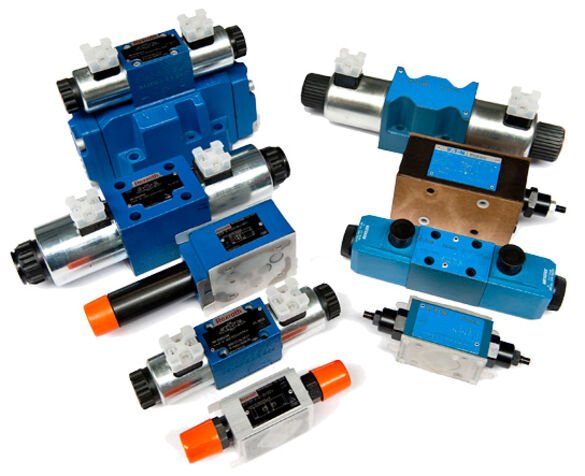
A common mistake in sourcing custom hydraulic cylinder suppliers is viewing the cylinder as an isolated component. In reality, it is the “muscle” of the machine, but it is controlled by the “nerves”—the valves and pumps.
When specifying your build, ensure the supplier understands the Hydraulic System as a whole. For instance, if you are using environmentally friendly fire-resistant fluids, the seal kits inside the cylinder must be compatible. Standard Nitrile seals might fail where Viton or EPDM would succeed.
Reliable suppliers will often cross-reference their designs with your pump flow rates to ensure that the port sizes on the cylinder don’t create unnecessary heat or backpressure. This holistic approach prevents the “hammering” effect that often plagues poorly specified custom builds.
Navigating the Procurement and Logistics Process
The RFQ Phase
When reaching out to custom hydraulic cylinder suppliers, provide as much data as possible.
Operating Pressure: Working vs. Peak pressure.
Environment: Is it underwater? In a dusty mine? Under direct sunlight?
Mounting Style: Clevis, flange, trunnion, or foot mount?
Duty Cycle: How many times per hour will it cycle?
Managing Lead Times
The biggest hurdle with custom work is the wait. Because the materials (like specific honed tubing or chrome rods) might not be in stock, a “10-day lead time” is often a red flag for a truly custom job. Expect 6 to 10 weeks for a quality build, especially if it requires specialized Hydraulic Parts.
Risk Mitigation in Global Sourcing
If you are looking overseas for custom hydraulic cylinder suppliers, the risks shift from technical to logistical. However, many global suppliers now offer DDP (Delivered Duty Paid) shipping, which simplifies the process for the buyer.
One way to mitigate risk is to start with a prototype. A supplier’s willingness to produce a single unit for testing is a good indicator of their confidence in their process. Additionally, check for third-party inspections. Firms like SGS or TÜV SÜD can perform on-site audits and pre-shipment inspections to ensure the final product matches your blueprints.
Sustainability and Future-Proofing Your Supply Chain
As industries move toward “Green Hydraulics,” the role of the supplier is changing. There is a growing demand for cylinders that are lighter (to save fuel in mobile machinery) and more efficient (to reduce energy consumption).
When selecting a partner for Custom Hydraulic Cylinders, ask about their capabilities regarding friction-reducing coatings or integrated sensors. Smart cylinders with built-in linear transducers allow for precision positioning, which is becoming standard in the era of Industry 4.0.
Conclusion
The quest to find reliable custom hydraulic cylinder suppliers is ultimately a search for technical trust. It is the difference between a machine that runs smoothly for a decade and one that becomes a maintenance nightmare within a year. By prioritizing engineering support, material transparency, and system-wide compatibility, you move away from being a mere purchaser and toward becoming a partner in production.
Whether you are seeking a complete overhaul of a Hydraulic System or just need a one-off specialized actuator, the key lies in the details. Don’t settle for “close enough.” In the world of high-pressure fluid power, precision is the only currency that matters.
FAQ
How long do custom hydraulic cylinder suppliers typically take for a prototype?
While it varies by complexity, a standard prototype window is usually between 4 and 8 weeks. This accounts for the engineering design phase, material procurement (especially if non-standard alloys are used), machining, and rigorous pressure testing. If a supplier promises a complex custom build in under two weeks, they may be modifying a standard unit rather than building from scratch.
Can custom cylinders be designed to be "drop-in" replacements for discontinued models?
Yes, this is one of the primary reasons companies seek out custom manufacturers. By providing the original dimensions or the old unit itself, engineers can reverse-engineer the mounting points and port locations. This ensures the new cylinder integrates perfectly with existing Hydraulic Parts without needing to modify the machine’s chassis.
What are the most common causes of failure in custom-built cylinders?
Most failures aren’t due to poor welding, but rather improper specification. Side-loading (where the load isn’t perfectly aligned with the rod) and seal incompatibility with the hydraulic fluid are the top culprits. A reliable supplier will analyze your application to suggest hardened rods or specialized seal materials to prevent these issues before they occur.