The procurement of High Pressure Hydraulic Cylinder components is rarely as simple as clicking “buy” on a digital catalog. When one enters the market to vet Hydraulic Cylinder Manufacturers, the sheer volume of options can be overwhelming. Some facilities look like high-tech laboratories, while others resemble mid-century steel mills. Yet, the reliability of a hydraulic system—the very muscle of heavy industry—depends entirely on the engineering choices made within those walls.
It is a somewhat sobering thought that a multi-million dollar excavating machine or a critical offshore drilling rig can be rendered completely useless by the failure of a single seal or a hairline fracture in a cylinder weld. Consequently, the selection process shouldn’t merely focus on the lowest unit price, but rather on the “total cost of reliability.” This involves a deep dive into how these manufacturers handle everything from raw steel sourcing to the final pressure test before a unit leaves the shipping dock.
The Engineering Pedigree of Hydraulic Cylinder Manufacturers
A common mistake in the industrial sector is treating Hydraulic Cylinder Manufacturers as simple fabricators. While many shops can follow a drawing, a truly reliable partner acts as a specialized engineering consultant. There is a massive difference between a cylinder that “works” and one that is optimized for its specific environment.
The Role of Advanced Simulation
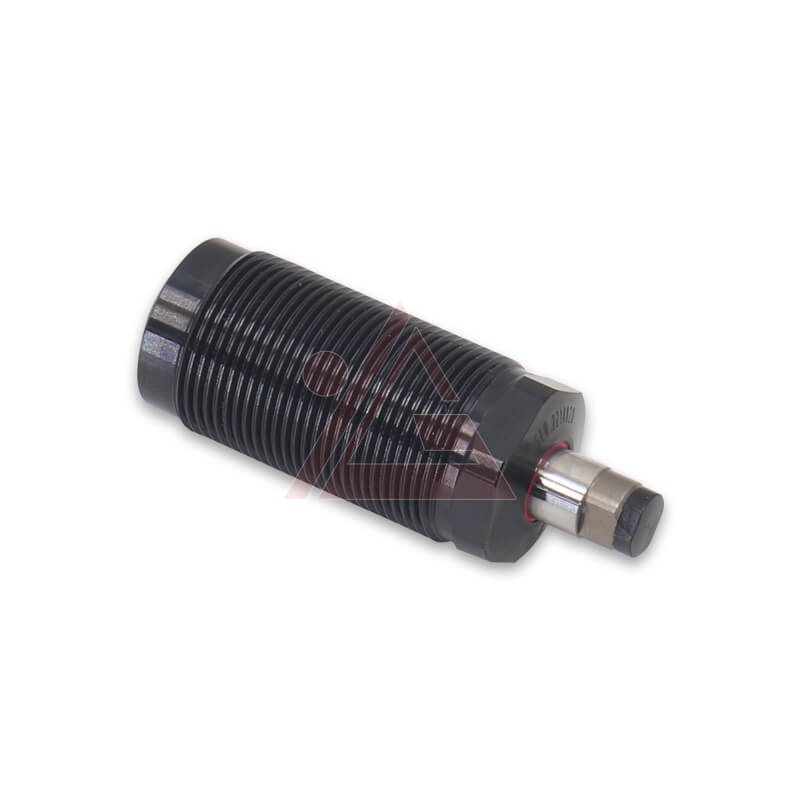
Reliable manufacturers don’t just guess where a cylinder might fail. They use Finite Element Analysis (FEA) to simulate high-stress conditions for Custom Hydraulic Cylinders. (This is especially critical when dealing with custom mounting configurations or Telescopic Hydraulic Cylinder designs with extreme stroke lengths. In high-heat environments (like those requiring a Metallurgical Hydraulic Cylinder), the tolerances between the piston and the bore must account for material expansion.
- Stress Distribution: Understanding how force radiates through the cylinder head and base.
- Buckling Resistance: For long-stroke applications, the rod must be thick enough to resist bending under compressive loads.
- Thermal Expansion: In high-heat environments requiring a Metallurgical Hydraulic Cylinder, the tolerances between the piston and the bore must account for material expansion.
Application-Specific Design Insights
It is often observed that the best manufacturers ask more questions than they answer during the initial consultation. They will want to know the “duty cycle”—how many times the cylinder extends and retracts per hour. They will inquire about the hydraulic fluid being used, as different chemicals interact differently with seal polymers. A manufacturer that simply quotes a price based on a bore and stroke size without asking about the environment (is it dusty? is it corrosive? is there side-loading?) is likely not prioritizing long-term reliability.
Material Integrity: The Foundation of Fluid Power
The internal components of a cylinder are subjected to immense pressure—often exceeding 5,000 PSI in heavy-duty applications. At these levels, the quality of the steel is non-negotiable. Many Hydraulic Cylinder Manufacturers attempt to lower costs by using lower-grade alloys or skipping specialized heat treatments, but these shortcuts inevitably manifest as premature failures in the field.
Rod Material and Plating Sophistication
The piston rod is perhaps the most vulnerable component because it is the only part that leaves the protective housing of the cylinder. It must be hard enough to resist nicks and scratches, yet ductile enough not to snap under sudden shock loads.
- Chrome Plating Thickness: A standard “commercial” chrome plating might only be 20 microns thick. A reliable manufacturer for mining or Offshore & Marine use will offer “double chrome” or “nickel-chrome” plating that reaches 50+ microns to prevent pitting.
- Induction Hardening: This process hardens the outer “skin” of the rod (typically to 50-60 Rockwell C). This is vital for equipment working in environments where falling debris might strike the rod.
- Surface Finish (Ra): The rod must be polished to a specific roughness. If it’s too rough, it eats the seals. If it’s too smooth (a common mistake), the oil can’t form a lubricating film, leading to “chatter” and heat buildup.
The Tubing: Honing vs. Skiving
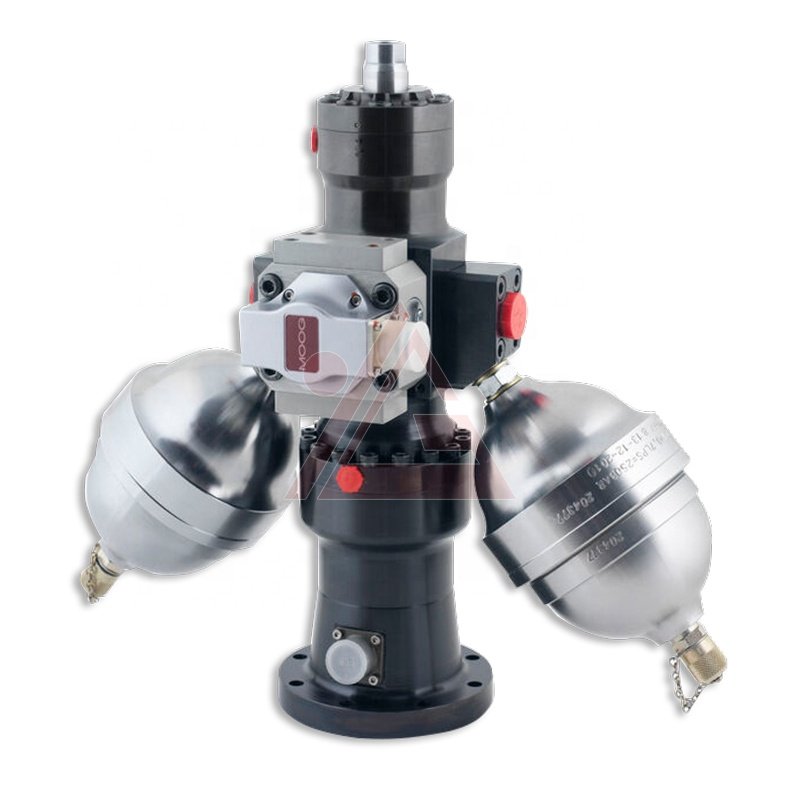
The piston rod is perhaps the most vulnerable component because it is the only part that leaves the protective housing of the cylinder. It must be hard enough to resist nicks and scratches, yet ductile enough not to snap under sudden shock loads.
- Chrome Plating Thickness: A standard “commercial” chrome plating might only be 20 microns thick. A reliable manufacturer for mining or Offshore & Marine use will offer “double chrome” or “nickel-chrome” plating that reaches 50+ microns to prevent pitting.
- Induction Hardening: This process hardens the outer “skin” of the rod (typically to 50-60 Rockwell C). This is vital for equipment working in environments where falling debris might strike the rod.
- Surface Finish (Ra): The rod must be polished to a specific roughness. If it’s too rough, it eats the seals. If it’s too smooth (a common mistake), the oil can’t form a lubricating film, leading to “chatter” and heat buildup.
Comparing Tiers and Capabilities of Hydraulic Cylinder Manufacturers
When evaluating your options, it helps to categorize manufacturers based on their operational scale and technical focus. Not every project requires a global giant, but every project requires competence.
Key Performance Indicators (KPIs) for Manufacturers
| Feature | What to Look For | Why It Matters |
|---|---|---|
| Testing Protocols | 100% pressure testing | Ensures zero leaks upon installation. |
| Lead Times | Consistent, realistic windows | Prevents project delays and inventory gaps. |
| Certifications | ISO 9001 or industry-specific | Proof of a standardized quality management system. |
| After-Sales Support | Maintenance kits and technical advice | Extends the lifecycle of the equipment. |
The Seal Ecosystem: The Silent Guardians
If you ask ten different Hydraulic Cylinder Manufacturers about their seals, you’ll likely get ten different answers. However, reliability is almost always tied to the use of “Brand Name” seals. Using generic, unbranded seals is one of the most common ways manufacturers shave $50 off a quote, but the cost of a seal failure is measured in thousands.
Material Compatibility and Pressure Ratings
- A seal isn’t just a piece of rubber; it’s a complex polymer.
- Nitrile (NBR): Good for standard mineral oils but fails in high heat.
- Viton (FKM): Excellent for high temperatures and chemical resistance but expensive.
- Polyurethane: The “workhorse” for high-pressure mobile hydraulics due to its abrasion resistance.
Reliable manufacturers will have a dedicated “Seal Selection Matrix.” They should be able to explain why they chose a specific “buffer seal” to protect the main U-cup from pressure spikes. If the manufacturer seems indifferent to the seal brand or material, it’s a sign that they view the cylinder as a commodity rather than a precision instrument.
Production Transparency and Quality Control
One cannot manage what one cannot measure. When choosing Hydraulic Cylinder Manufacturers, the “paper trail” is just as important as the steel. A reliable manufacturer will have a transparent quality management system (usually ISO 9001 certified) that tracks a component from the moment the raw steel arrives at the loading dock.
The Criticality of Pressure Testing
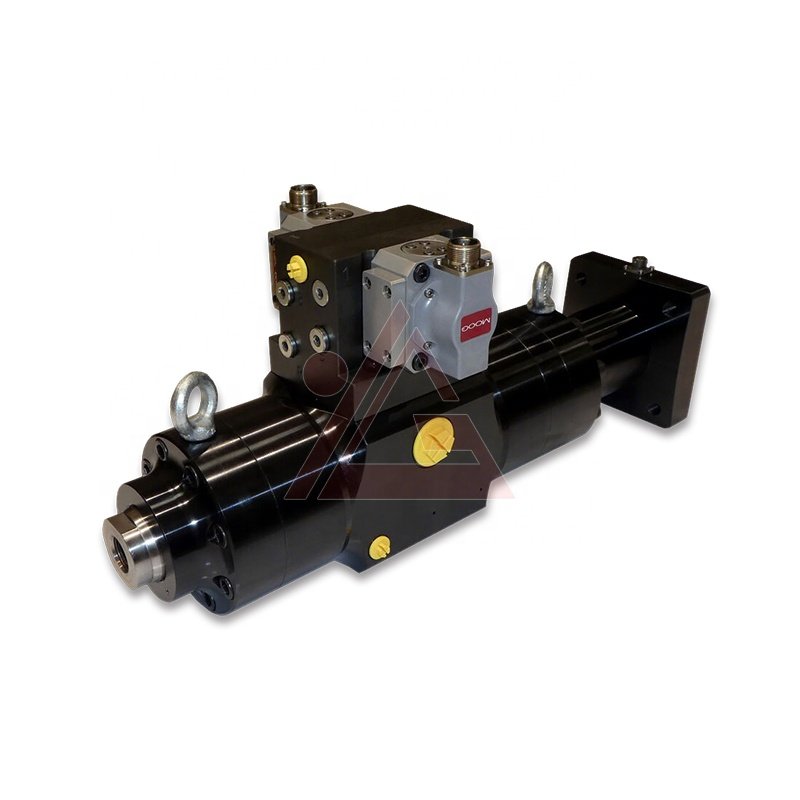
Every single cylinder—not just one out of every ten—must be pressure tested. This is the only way to ensure that the internal seals are holding and that the welds are free of “pinhole” leaks.
- Bypass Testing: Ensuring that oil isn’t leaking past the piston seals internally.
- Static Pressure Hold: Pressurizing the cylinder to 150% of its rated capacity and watching for even the slightest drop in pressure over time.
- Cleanliness Standards (ISO 4406): In modern high-pressure systems, even a tiny speck of dust can destroy a valve. The best manufacturers wash their components in specialized ultrasonic tanks and plug the ports immediately after testing to prevent contamination.
Traceability and Certifications
In industries like aerospace, defense, or heavy mining, you need to know exactly where the steel came from. This is handled through Mill Test Reports (MTRs). A reliable manufacturer will maintain a database of these reports. If a cylinder fails three years from now due to a material flaw, a good manufacturer can look up the “heat number” of that steel and identify if other cylinders from that same batch are at risk. (It’s that level of accountability that defines a professional partner.)
Sourcing Logic: Global vs. Local Considerations
There is a persistent debate in the industry about whether to source from domestic Hydraulic Cylinder Manufacturers or seek lower-cost options overseas. There isn’t a single “right” answer, but the “reliability” factor changes based on geography.
The Communication Gap
Technical specs can often get “lost in translation.” A domestic manufacturer might be more expensive, but the ability to pick up the phone and talk directly to the engineer who designed the piston head is invaluable. Observational evidence suggests that projects with high levels of customization tend to succeed more often when the manufacturer is in the same (or a nearby) time zone.
Shipping and Protective Packaging
Hydraulic cylinders are heavy and surprisingly fragile (especially the rods). A cylinder that spends six weeks on a salty ocean freighter without proper protective coating or heavy-duty crating is likely to arrive with “micro-pitting” on the rod. High-quality manufacturers invest heavily in packaging—using VCI (Vapor Corrosion Inhibitor) bags and custom wooden crates to ensure the product arrives in the same condition it left the factory.
The Human Element: Workforce Stability
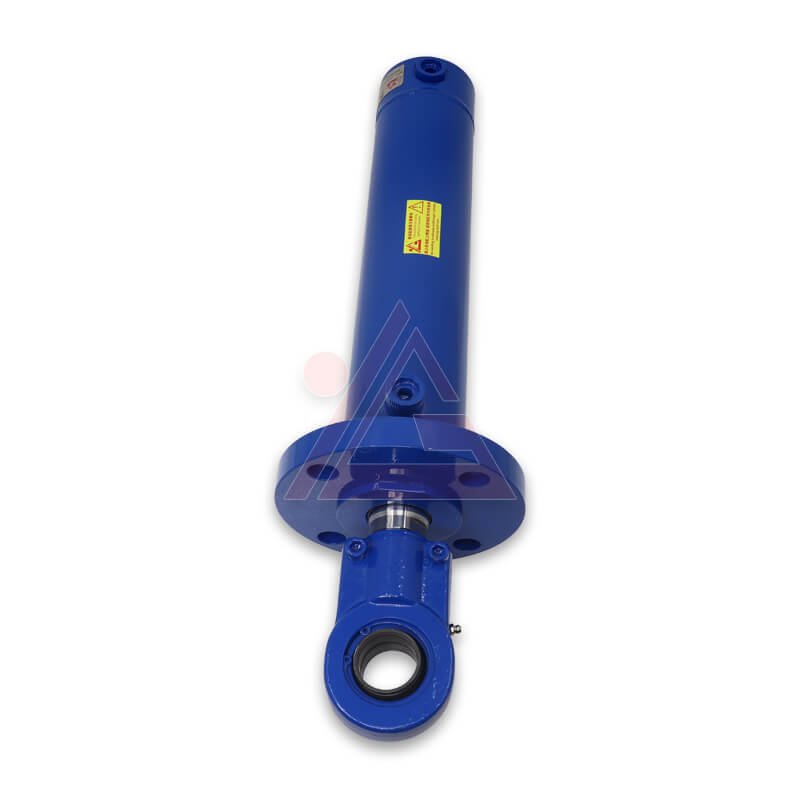
While we talk a lot about machines and materials, the reliability of Hydraulic Cylinder Manufacturers is deeply tied to the skill of their welders and machinists. Welding a high-pressure cylinder head requires a “Certified Pressure Vessel” level of skill.
When visiting or auditing a manufacturer, one might look at the “tenure” of the shop floor staff. A factory with a revolving door of entry-level workers will almost certainly have inconsistent quality. Conversely, a shop where the lead welders have twenty years of experience is a shop where the “unwritten rules” of quality are passed down through generations. (There is a certain “feel” to a well-run shop—the smell of clean coolant, the absence of clutter, and a rhythmic, purposeful pace.)
After-Sales Support: The "End" is Only the Beginning
A cylinder is a wear item. Eventually, it will need new seals or a rod regrind. When selecting Hydraulic Cylinder Manufacturers, ask about their repair services.
- Do they offer “Seal Kits” that are easy to order?
- Do they keep the original drawings on file for decades?
- Are the cylinders designed to be “serviceable” (using bolted glands) or are they “throw-away” (fully welded units)?
For industrial equipment that is expected to run for 20 years, choosing a manufacturer that provides a clear “Maintenance and Repair Path” is a significant part of the reliability equation.
Cost Analysis: The Fallacy of the Lowest Bid
It’s tempting to choose the manufacturer that comes in 15% lower than the rest. However, in the world of hydraulics, that 15% usually comes out of the “invisible” areas:
- Cheaper Steel: Higher impurity levels lead to fatigue cracks.
- Less Testing: Higher chance of an out-of-the-box failure.
- Generic Seals: Failure after 1,000 hours instead of 5,000 hours.
- Poor Packaging: Damage during transit.
When you factor in the cost of a service technician, the cost of the replacement parts, and the loss of production revenue, the “expensive” cylinder is almost always the cheaper option over the long run.
Conclusion: Selecting Trusted Hydraulic Cylinder Manufacturers
Choosing between the myriad of Hydraulic Cylinder Manufacturers is a journey that starts with engineering and ends with trust. It requires looking past the glossy brochures and asking the difficult questions about material certifications, testing procedures, and engineering philosophy.
Reliability isn’t something that can be “inspected into” a product at the very end; it must be “built into” the product from the very first CAD drawing. By prioritizing manufacturers who invest in high-quality raw materials, maintain rigorous testing standards, and offer transparent communication, you ensure that your machinery remains the “muscle” it was designed to be.
In the end, a reliable hydraulic cylinder is the one you never have to think about. It’s the one that quietly does its job, cycle after cycle, year after year, allowing you to focus on your core business rather than on emergency repairs. Do the research now, vet your partners thoroughly, and the long-term ROI will speak for itself. Avoid the temptation of the shortcut, for in the world of high-pressure hydraulics, shortcuts almost always lead to the same place: expensive downtime.
FAQ
Does the choice between a 'Tie-Rod' and 'Welded' cylinder significantly impact which Hydraulic Cylinder Manufacturers I should choose?
Absolutely. While many Hydraulic Cylinder Manufacturers do both, they typically excel at one. Tie Rod Hydraulic Cylinders are standard in industrial plant environments (NFPA standards) and require precision machining of the end caps to ensure a perfect seal against the tube. Welded cylinders are the mainstay of mobile equipment and require superior welding technology and robotic consistency. If your application involves high-pressure “shocks” (like a rock crusher), you generally want a manufacturer that specializes in heavy-duty welded designs, as tie-rods can stretch under extreme pressure spikes.
How does ISO 4406 fluid cleanliness standards influence the manufacturing process of a cylinder?
A manufacturer’s commitment to ISO 4406 (fluid cleanliness) is a major indicator of their overall reliability. In high-performance systems, the cylinder acts as a “reservoir” for contaminants if it isn’t cleaned properly during assembly. A reliable manufacturer will have an “Oil Flushing Rig” that circulates filtered oil through the cylinder after assembly to reach a specific cleanliness code (e.g., 16/14/11). If they simply assemble and ship, the “built-in” dirt from the manufacturing process will migrate to your expensive proportional valves and pumps, causing system-wide failure.
What is 'Column Loading' and why should it be a primary question for a Hydraulic Cylinder Manufacturer?
Column loading refers to the maximum weight a cylinder rod can push before it begins to deflect or “buckle” like a piece of spaghetti. This is a purely mathematical calculation based on the rod diameter, the stroke length, and the mounting style. A reliable manufacturer should provide a “Buckling Chart” for your specific application. If they don’t perform this calculation, and you use a long-stroke cylinder in a horizontal position, the rod may bow slightly, causing uneven seal wear and catastrophic failure within months.