Knowing how to take a hydraulic cylinder apart is essential for maintenance, seal replacement, or repair. While the task may look intimidating, a methodical approach makes it safe and efficient. In this guide, we will explain the step by step process to disassemble a hydraulic cylinder without damaging critical components. Before you start, make sure you have read our guide on how to bleed a hydraulic cylinder – understanding the full service cycle helps you work with confidence.
1. Prepare Your Workspace and Tools
Before you take a hydraulic cylinder apart, gather the right tools: spanner wrenches, brass punches, soft faced hammer, snap ring pliers, and a clean workbench. You will also need a soft jaw vise and cleaning supplies. For a hydraulic piston cylinder, the gland nut may be large – have a pipe wrench or special socket ready. Work in a well-lit area and wear safety glasses and gloves.
2. Relieve Hydraulic Pressure
Safety is the first step when you take a hydraulic cylinder apart. Shut down the machine, cycle the control valve to release trapped pressure, and disconnect the hoses. Label each line. Even a disconnected hydraulic cylinder can hold pressure – slowly crack a fitting to confirm zero pressure. For a hydraulic ram cylinder on a press, the stored energy can be dangerous; always follow lockout/tagout procedures.
3. Remove the Cylinder from Equipment
If the hydraulic cylinder is still mounted, use proper lifting gear to detach it. Support the equipment securely. For a hydraulic lift cylinder on a forklift or scissor lift, lower the load to a safe position before disconnecting. Once removed, clean the outside of the hydraulic cylinder to prevent dirt from entering during disassembly.
4. Extend the Rod Fully
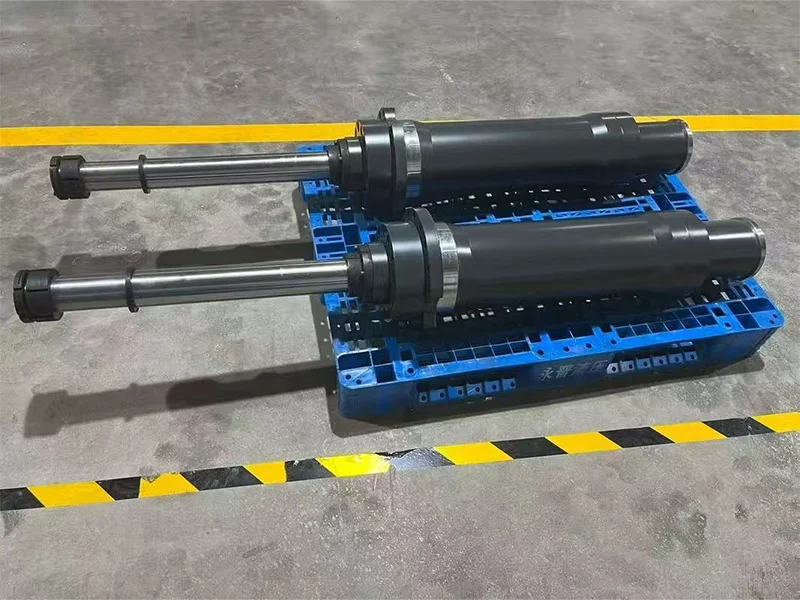
Extend the piston rod completely. This makes the gland accessible and positions the piston near the end cap. When you take a hydraulic cylinder apart, a fully extended rod also lets you inspect the chrome surface for scoring or bending. For a dump trailer hydraulic cylinder, the rod may be very long – support it to avoid bending.
5. Remove the Gland Nut or Retaining Ring
Most cylinders use either a threaded gland nut or a snap ring. To take a hydraulic cylinder apart, use a spanner wrench for the gland nut. If it is stuck, tap gently with a brass punch. For snap rings, use external pliers. On a hydraulic cylinder for scissor lift, the gland may have a locking set screw – remove it first. Never hammer directly on the rod or barrel.
6. Pull the Rod and Piston Assembly
Once the gland is free, carefully pull the rod and piston assembly out of the barrel. For heavy assemblies, use a slide hammer or a pulling fixture. Keep the rod aligned to avoid scratching the barrel’s inner wall. As you take a hydraulic cylinder apart, the gland will slide off the rod. Set the rod on soft supports. For a hydraulic cylinder for forklift, the assembly is often heavy – get assistance if needed.
7. Remove the Gland from the Rod
The gland contains rod seals, wipers, and bearings. Slide it off the rod end. You can disassemble the gland later to replace seals. For a hydraulic piston cylinder, note the orientation of the wiper and rod seal – taking a photo helps during reassembly. Clean the gland and set it aside.
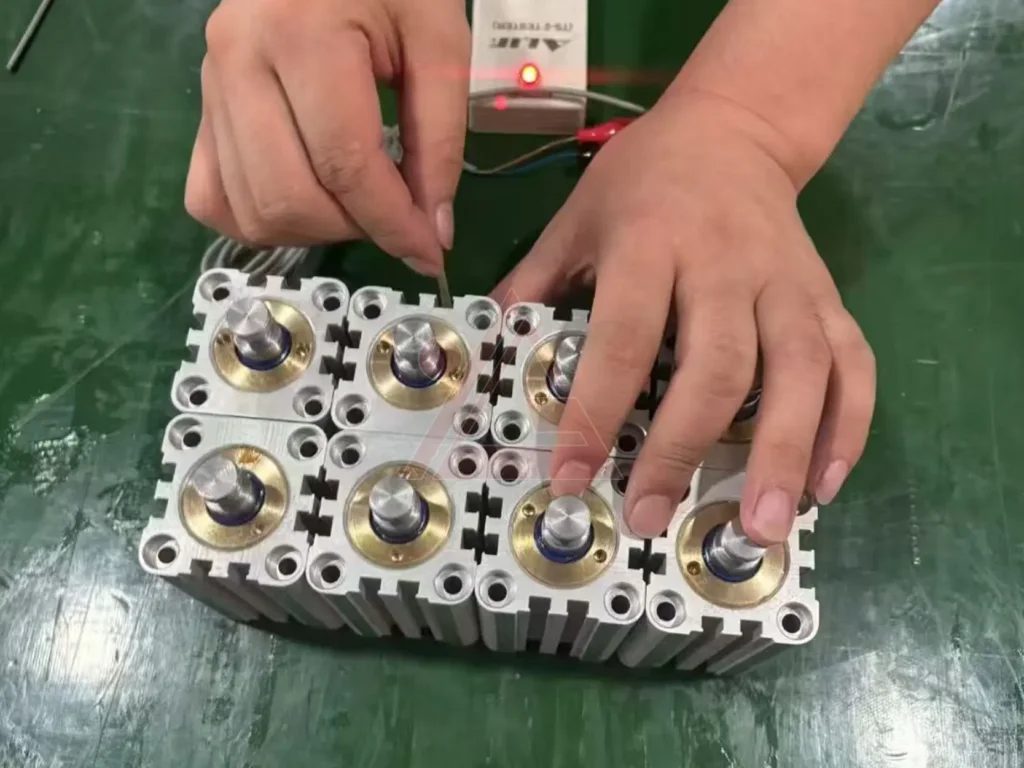
8. Secure the Rod and Remove the Piston Nut
Clamp the rod in a soft jaw vise (protect the chrome). To take a hydraulic cylinder apart completely, you must remove the piston nut. Use a wrench to loosen it – some nuts have Loctite or staking, so apply heat if necessary. Once loose, unscrew the nut and slide the piston off the rod. For a hydraulic ram cylinder, the piston may be heavy; handle it carefully.
9. Remove Old Seals and Clean Everything
Now that you have successfully taken the hydraulic cylinder apart, remove all old seals, backup rings, and wear rings from the piston and gland. Use plastic picks to avoid scratching grooves. Clean the barrel, rod, piston, and gland with solvent and lint free cloths. Blow out passages with compressed air. Inspect for scoring, pitting, or out of round conditions. A clean disassembly is the foundation of a reliable rebuild.
10. Organize and Document
As you take a hydraulic cylinder apart, take photos or make notes of seal orientation and component order. Place parts in labeled containers. This documentation prevents mistakes when you later install new seals. For any hydraulic cylinder – whether a dump trailer hydraulic cylinder, hydraulic cylinder for scissor lift, or hydraulic cylinder for forklift – good organization saves time.
Conclusion
Learning how to take a hydraulic cylinder apart is a valuable skill for equipment owners and technicians. From pressure relief and gland removal to extracting the rod and stripping old seals, each step protects the hydraulic cylinder from damage. Whether you work with a hydraulic piston cylinder, hydraulic ram cylinder, hydraulic lift cylinder, dump trailer hydraulic cylinder, hydraulic cylinder for scissor lift, or hydraulic cylinder for forklift, the disassembly process is consistent. After disassembly, refer to our guide on how to bleed a hydraulic cylinder to complete the service.