Repacking a hydraulic cylinder means replacing its internal seals to stop leaks and restore performance. Over time, seals wear out due to heat, pressure cycles, and contamination. Learning how to repack a hydraulic cylinder saves money and extends equipment life. In this guide, we will walk you through the entire repacking process – from disassembly to reassembly. Before you start, review our guide on how to bleed a hydraulic cylinder to understand the final step that removes trapped air.
1. When to Repack a Hydraulic Cylinder
You should repack a hydraulic cylinder when you see external fluid leaks, feel sluggish or jerky movement, or notice the cylinder drifting under load. Repacking is also recommended after a certain number of operating hours as preventive maintenance. For a Yagang hydraulic cylinder, following the manufacturer’s recommended service intervals ensures long life. Ignoring leaks leads to contamination and costly damage.
2. Gather Tools and a Quality Seal Kit
To repack a hydraulic cylinder, you will need:
Spanner wrenches, snap ring pliers, brass punches
Soft-jaw vise and a clean workbench
Seal kit matched to your cylinder’s bore and rod diameter
Solvent, lint-free cloths, assembly lubricant
For any hydraulic cylinder – whether used in factories, marine environments, mining, or mobile equipment – the seal kit may include special materials like polyurethane or PTFE. Always buy seals from a reputable source to ensure proper fit and long service life.
3. Remove the Cylinder and Relieve Pressure
Before repacking any hydraulic cylinder, relieve hydraulic pressure completely. Shut down the power unit, cycle the control valve, and disconnect hoses (label them). Use proper lifting gear to remove the cylinder. For a marine hydraulic cylinder exposed to saltwater, inspect the rod for corrosion before proceeding. Place the cylinder on a clean bench.
4. Disassemble the Cylinder
Extend the rod fully. Remove the gland nut or retaining ring. Carefully pull the rod and piston assembly out of the barrel. For a mining hydraulic cylinder that operates in abrasive environments, the gland may be tight – use a brass punch and gentle heat. Slide the gland off the rod. Then secure the rod in a soft-jaw vise and remove the piston nut. Now you can fully access the old seals.
5. Remove Old Seals and Clean All Parts
Take out all old seals, backup rings, and wear rings from the piston and gland. Use plastic picks to avoid scratching grooves. Clean the barrel, rod, piston, and gland with solvent and lint-free cloths. Blow out passages with compressed air. For a hydraulic cylinder for crane, pay special attention to the rod surface – any scoring will damage new seals. A clean cylinder is the foundation of a successful repack.
6. Install New Seals
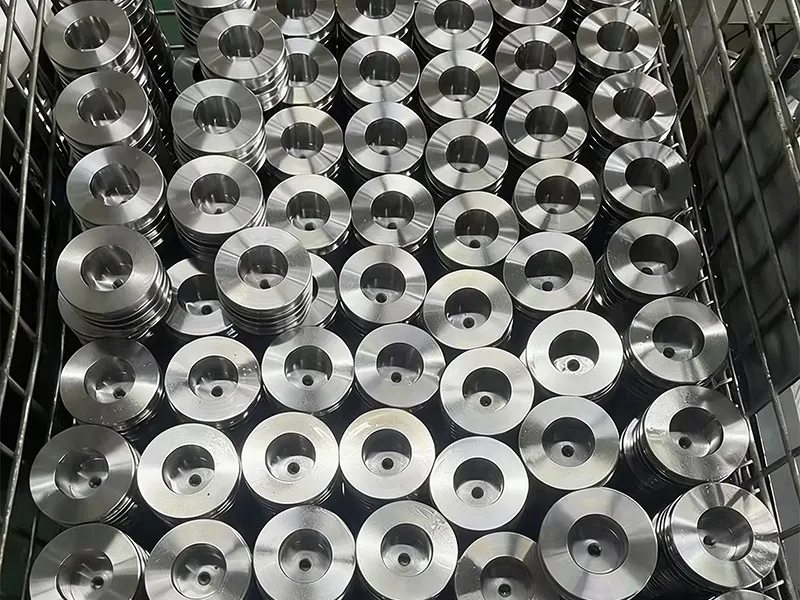
Lubricate new seals with clean hydraulic fluid or assembly gel. Install rod seals, piston seals, wipers, and O-rings in their respective grooves. Ensure each seal sits squarely without twisting. For piston seals, use an installation sleeve to protect them from sharp edges. For a steering hydraulic cylinder, correct seal orientation is critical because steering systems experience frequent reversals. Take your time during this step.
7. Reassemble the Cylinder
Reassemble in reverse order. Slide the piston onto the rod and torque the piston nut to manufacturer specification. Lubricate the barrel interior and the rod. Carefully insert the rod and piston assembly into the barrel, making sure threads or edges do not cut the new gland seals. Torque the gland nut. Reassembly completes the repacking.
8. Test the Cylinder
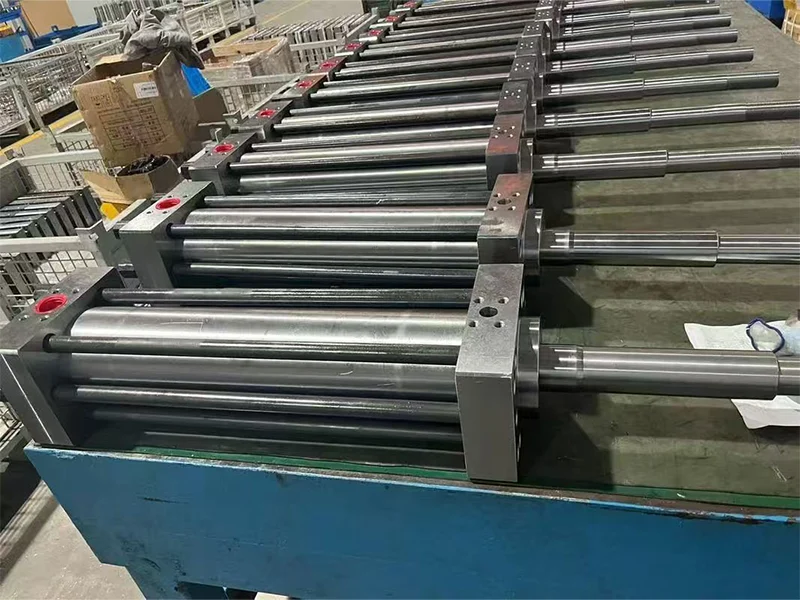
After repacking, reinstall the hydraulic cylinder on the equipment. Reconnect hoses and fill with clean fluid. Run the system at low pressure first to purge air. Cycle the cylinder several times, checking for leaks, smooth motion, and proper speed. If you notice spongy movement, refer to how to bleed a hydraulic cylinder to remove trapped air. A successful repack restores like new performance.
9. Common Mistakes to Avoid
Using the wrong seal kit – always match bore and rod size.
Damaging the rod chrome during disassembly.
Skipping cleaning – dirt ruins new seals.
Over torquing the piston nut or gland nut.
Forgetting to lubricate seals before installation.
10. Benefits of Regular Repacking
Regular repacking of a hydraulic cylinder prevents major failures, reduces downtime, and lowers repair costs. It also extends the life of other components like pumps and valves. Whether you operate an industrial hydraulic cylinder, marine hydraulic cylinder, mining hydraulic cylinder, hydraulic cylinder for crane, or steering hydraulic cylinder, the repacking process is essentially the same. For a Yagang hydraulic cylinder, using genuine seal kits ensures optimal fit and durability.
Conclusion
Learning how to repack a hydraulic cylinder is a practical skill that every equipment owner or technician should master. By removing old seals, cleaning thoroughly, and installing new ones with care, you restore the hydraulic cylinder to reliable operation. The process applies to all types – Yagang hydraulic cylinder, industrial hydraulic cylinder, marine hydraulic cylinder, mining hydraulic cylinder, hydraulic cylinder for crane, and steering hydraulic cylinder. After repacking, always remember to bleed a hydraulic cylinder to remove air. With proper tools and patience, you can repack any hydraulic cylinder and save significant money over buying new units.