A Hydraulic Cylinder is a mechanical actuator that converts hydraulic fluid pressure into linear force and motion. Among the various types, the single acting hydraulic cylinder is one of the simplest and most widely used designs. Understanding how does a single acting hydraulic cylinder work is essential for anyone operating or maintaining hydraulic equipment. In this guide, we will explain the working principle, key components, common applications, and advantages of this Hydraulic Cylinder type. By the end, you will have a clear picture of its operation.
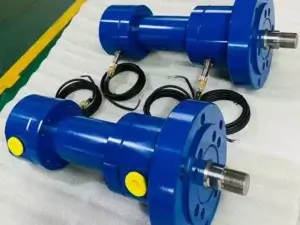
1. Basic Working Principle of a Single Acting Hydraulic Cylinder
To answer how does a single acting hydraulic cylinder work, start with the core concept: hydraulic pressure is applied to only one side of the piston. The cylinder extends when pressurized fluid enters the cap end (the larger chamber). The rod moves outward, generating force. Retraction happens passively – either by gravity, an external spring, or the weight of the load. Unlike a double acting cylinder, there is no hydraulic pressure to pull the rod back. This simple design makes single acting cylinders cost-effective and reliable.
2. Key Components of a Single Acting Hydraulic Cylinder
A single acting Hydraulic Cylinder consists of:
Barrel: The tube that holds the piston and fluid.
Piston: A disc that separates the pressure chamber from the rod side.
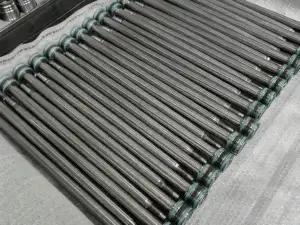
Piston rod: The chrome-plated shaft that extends to do work.
Gland (head gland): Seals the rod end and holds the rod seal and wiper.
Spring (optional): For forced retraction in spring-return cylinders.
Port: One opening for fluid entry.
Understanding these parts helps visualize how does a single acting hydraulic cylinder work in practice.
3. The Extension Stroke: How Force Is Generated
During extension, a pump sends hydraulic oil into the cylinder’s cap end port. The pressurized oil pushes the piston forward, extending the rod. The force output equals pressure multiplied by the piston area (F = P × A). Because the entire piston face is exposed to pressure, a Hydraulic Cylinder of this type produces maximum force during extension. There is no pressure on the rod side; any fluid there is vented to the tank or atmosphere. This straightforward action answers how does a single acting hydraulic cylinder work for the working stroke.
4. The Retraction Stroke: Passive Return
After the extension stroke, the hydraulic pressure is released. To retract, the cylinder relies on external forces. Common methods include:
Gravity: The weight of the load pushes the rod back (e.g., in a dump trailer).
Spring force: An internal spring compresses during extension and expands to retract (common in small cylinders).
Load weight: The machine’s own moving parts provide the return force.
No hydraulic power is used for retraction. This is a key point when explaining how does a single acting hydraulic cylinder work – the simplicity reduces cost and complexity.
5. Common Applications of Single Acting Hydraulic Cylinders
Single acting Hydraulic Cylinder units are found in many industries:
Dump trucks and trailers: Lifting the bed (gravity return).
Hydraulic jacks: Lifting vehicles (spring or gravity return).
Log splitters: Extending the ram (spring return).
Agricultural equipment: Lifting implements.
Presses: Small shop presses.
Each application relies on the same principle: pressure extends, external force retracts. This demonstrates how does a single acting hydraulic cylinder work in real-world scenarios. Other related Hydraulic Cylinder types include a single acting cylinder, hydraulic ram, hydraulic lift cylinder, hydraulic press cylinder, tie rod cylinder, and welded hydraulic cylinder – all of which can be single acting or double acting depending on design.
6. Advantages and Limitations
Advantages:
Simple construction, fewer seals, lower cost.
Easier to maintain.
Ideal for applications where load weight or gravity provides return.
Limitations:
No powered retraction.
Cannot be used where active pull-back is needed.
Spring-return cylinders have limited stroke length.
7. Safety and Maintenance Tips
When working with any Hydraulic Cylinder, always relieve pressure before disconnecting hoses. For single acting cylinders, check that the return method (spring or gravity) is functioning properly. Inspect rod seals for leaks and keep the rod surface clean. Regular maintenance ensures reliable operation.
8. How to Select a Single Acting Hydraulic Cylinder
Consider these factors:
Bore size (determines force)
Stroke length
Rod diameter
Return method (spring, gravity, or load)
Operating pressure
Conclusion
So, how does a single acting hydraulic cylinder work? It extends under hydraulic pressure and retracts passively by gravity, spring, or load weight. This simple yet effective design powers countless machines across construction, agriculture, and material handling. Whether you need a single acting cylinder, hydraulic ram, hydraulic lift cylinder, hydraulic press cylinder, tie rod cylinder, or welded hydraulic cylinder, understanding the single acting principle helps you choose the right Hydraulic Cylinder for your application. Proper selection and maintenance ensure long, trouble-free service.